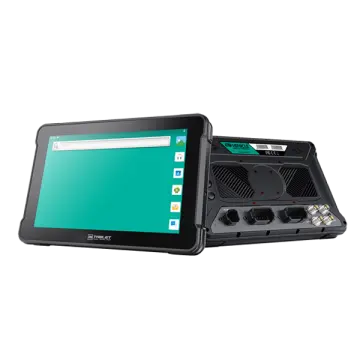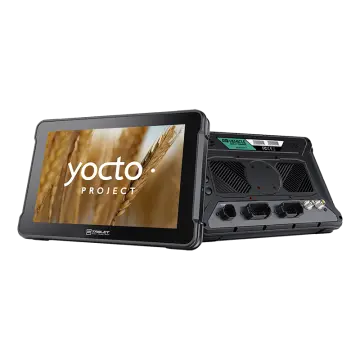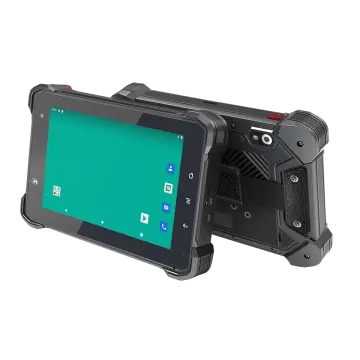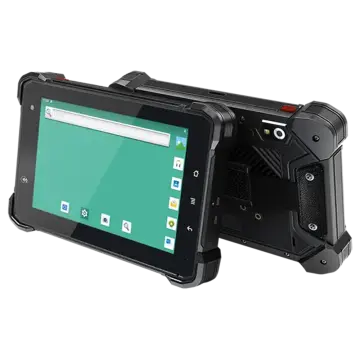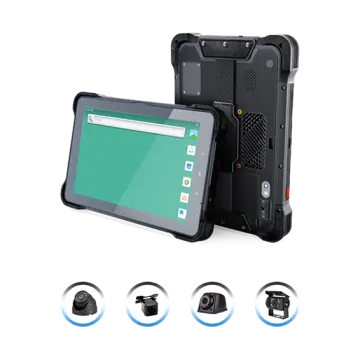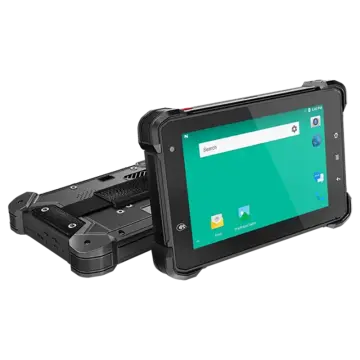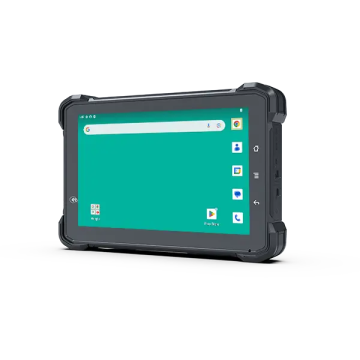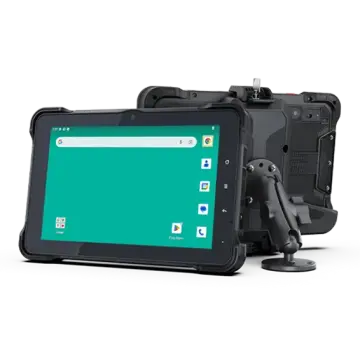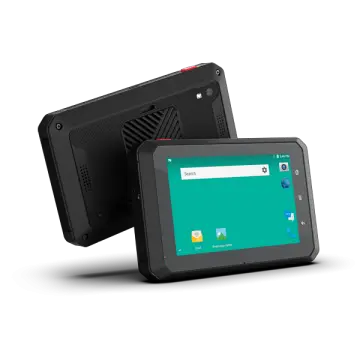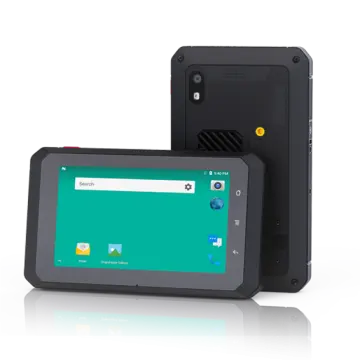
The transition from traditional human-driven vehicles to Level 4 and Level 5 autonomous driving systems represents one of the most significant technological leaps of the 21st century. As automotive giants, tech startups, and regulatory bodies push for the commercialization of Robotaxis, autonomous freight trucks, and automated agricultural machinery, the demand for rigorous, real-world testing has skyrocketed. Central to this testing ecosystem is the Rugged Android Tablet for Autonomous Driving Test. Unlike consumer-grade iPads or standard commercial tablets, these ruggedized industrial terminals serve as the vital nervous system connecting the safety driver, the autonomous testing engineers, and the vehicle's complex array of sensors.
Currently, the global autonomous vehicle (AV) testing market is experiencing a massive shift from closed-circuit simulation to open-road reality. This shift exposes testing equipment to harsh realities: relentless vibrations from uneven terrains, extreme temperature fluctuations ranging from freezing winters in Michigan to the scorching desert heat of Arizona, and the constant threat of dust and moisture. Consequently, testing fleets are aggressively upgrading their in-cabin hardware. Business models are shifting toward comprehensive Internet of Vehicles (IoV) solutions where hardware manufacturers provide not just a screen, but a fully integrated, IP67-rated edge computing node capable of interfacing directly with CAN bus networks, LiDAR systems, and high-definition mapping servers.
As the autonomous driving sector matures, the technical requirements for in-vehicle rugged tablets are evolving rapidly. We are observing several core development trends that are redefining the capabilities of these devices:
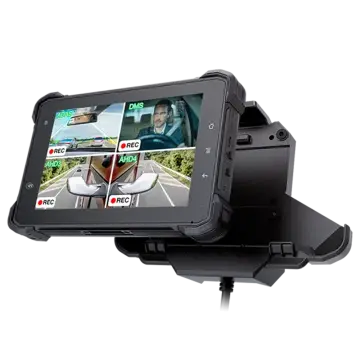
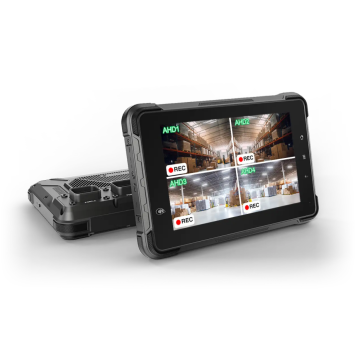
During an autonomous driving test, a vehicle generates terabytes of data daily. A Rugged Android Tablet acts as the primary telemetry gateway. Connected directly to the vehicle's OBD-II or J1939 CAN bus, the tablet continuously logs steering angles, braking pressure, acceleration rates, and system latency. Engineers utilize custom Android APKs to visualize this data in real-time. If a disengagement occurs (the safety driver takes control), the tablet instantly tags the event, capturing the preceding 30 seconds of video from integrated AHD cameras and sensor data, categorizing the anomaly for post-test analysis.
Safety is the absolute priority in public road AV testing. The rugged tablet serves as the primary dashboard for the safety driver. It displays the vehicle's "intended path" overlaid on a high-definition map. Through visual and auditory alerts, the tablet warns the driver of edge cases the AI might struggle with—such as obscured construction zones or erratic pedestrian behavior. The rugged nature of the tablet ensures that even in the event of sudden, violent braking or a minor collision, the screen will not shatter, and the system will remain online to execute emergency protocols.
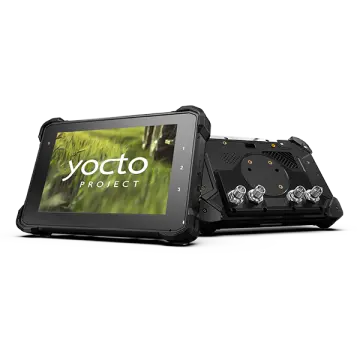
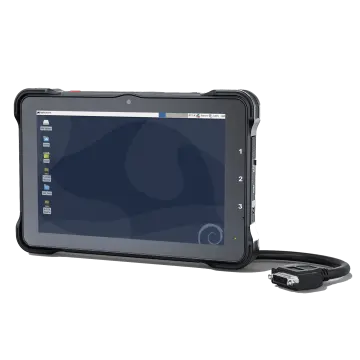
Autonomous vehicles rely on a fused network of LiDAR, radar, ultrasonic sensors, and optical cameras. Before a test run begins, engineers use the rugged tablet to run comprehensive diagnostic checks. Because the tablet features rich I/O interfaces (RS232, RS485, RJ45, GPIO), it can interface directly with individual sensors. The Android OS allows for the deployment of proprietary calibration software, enabling engineers to adjust LiDAR pitch, verify camera focus, and ensure sensor fusion algorithms are perfectly aligned right from the driver's seat, without needing a fragile laptop.
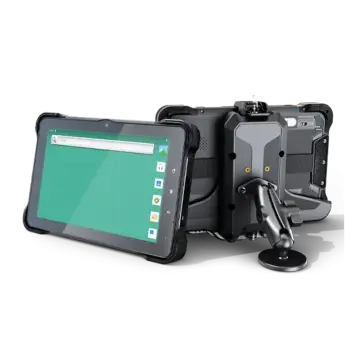
Autonomous technology is not limited to urban Robotaxis; it is heavily utilized in precision agriculture, mining, and military logistics. In these scenarios, a standard device would fail within hours. Rugged Android Tablets designed for these tests feature IP67 or IP69K ratings, making them entirely dustproof and capable of withstanding high-pressure water jets. They are engineered with military-grade shock resistance (MIL-STD-810G) to endure the brutal vibrations of an autonomous tractor navigating a rocky field or an autonomous haul truck operating deep within an open-pit mine.
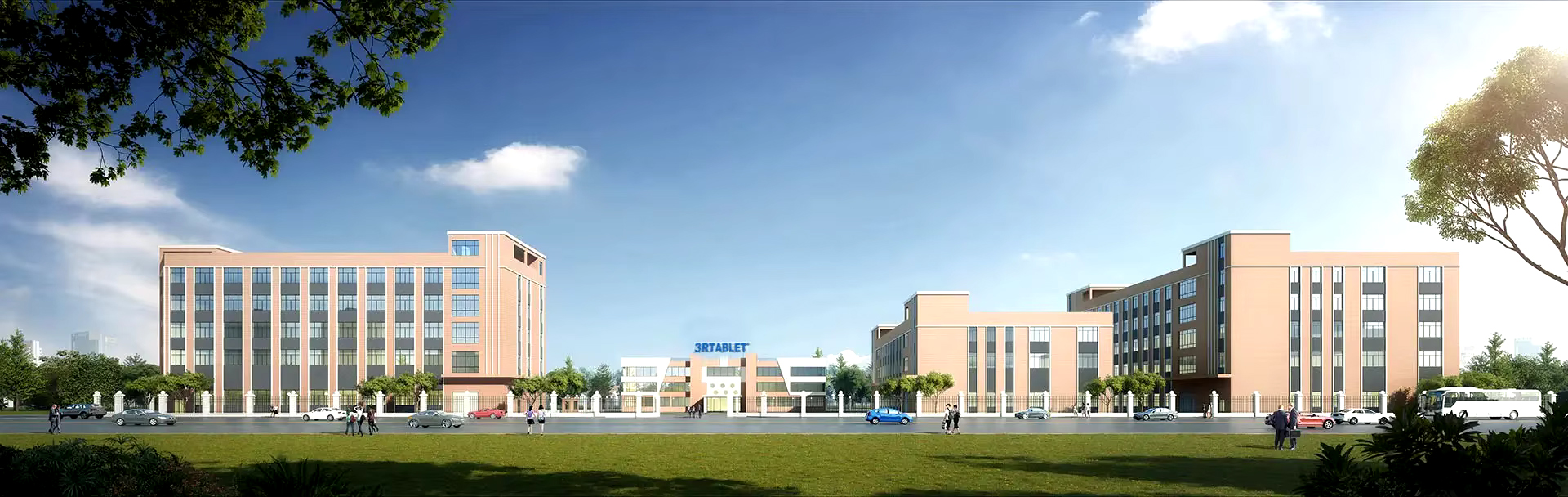
As a technology-based, market-oriented, and innovative enterprise, we specialize in developing and manufacturing rugged Internet of Vehicles (IOV) terminals and IOT system solutions perfectly suited for the rigorous demands of autonomous driving tests. With more than 18 years of professional experience, 3Rtablet has cooperated with many top brand telematics solution providers around the world, and our products are widely recognized for their stable performance and professional technical support.
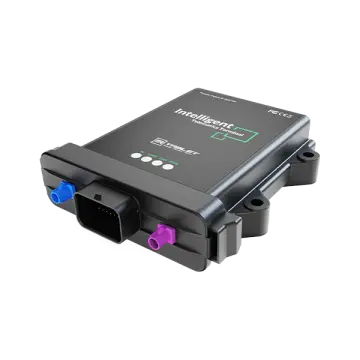
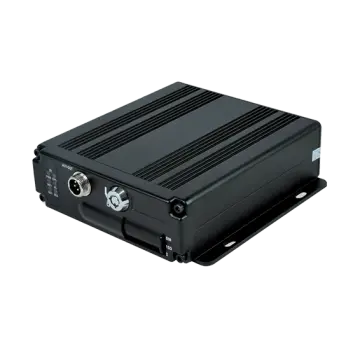
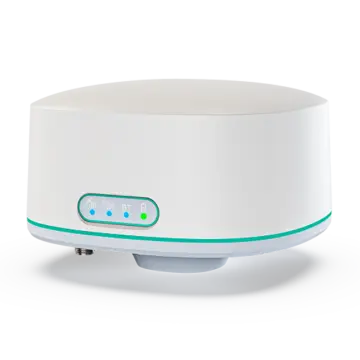
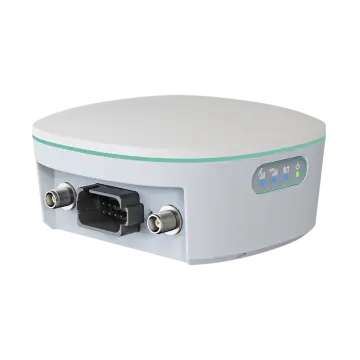
Our main products include IP67 rugged tablets, MDM Rugged Devices, Intelligent Vehicle Telematics Terminals, RTK Base Stations and Receivers, On-board Computers, and AHD Camera Integrated Tablets. Our AI algorithmic vehicle video surveillance and recording technology provides comprehensive IoT solutions for a wide range of fleet management applications, including intelligent transportation systems, agriculture precision, and heavy machinery. Offering OEM/ODM services, we customize products to meet the specific algorithmic and hardware needs of autonomous vehicle R&D teams.
3Rtablet follows innovative technologies, complete solutions, friendly products, excellent quality, and professional services to continuously improve product quality and customer satisfaction, delivering customers with Rugged, Reliable, and Ready Internet of Vehicle (IOV) devices. 3Rtablet has three core values at the heart of its operation: We are ‘Sincere’, we ‘Share’ and always strive for ‘Success’ with our business partners.
3Rtablet R&D team with more than 18 years field experience to do technical support, and has been ready to support you in building professional solutions in specific markets.
3Rtablet has served customers among more than 70 countries in the North America, Europe, Latin America, Oceania, Africa, and the Asia Pacific region, supporting global autonomous testing initiatives.
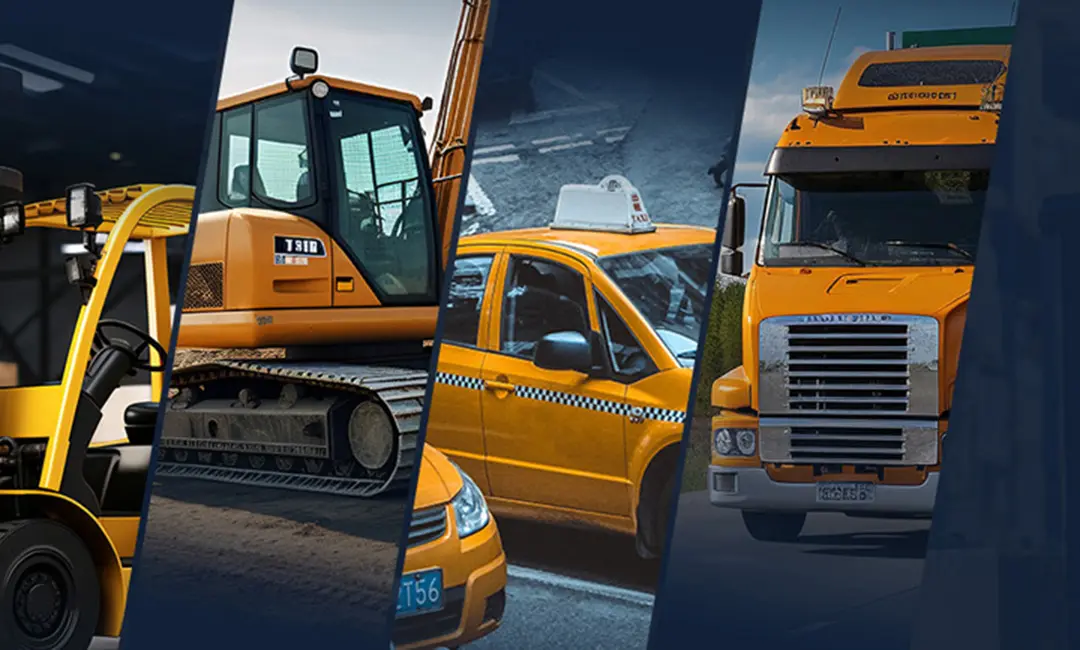
Fleet Management, Precision Agriculture, Mining, Taxi Dispatch, Forklift Safety, Construction, Public Transportation, Heavy Machinery & Trucks, Vehicle tracking’s and Emergency Response Solutions etc.
3Rtablet's Hardware devices are mainly powered by NXP, Qualcomm, TI solutions. We offer Functional requirements, Hardware test-bed evaluation, Schematic diagram design, and comprehensive OEM/ODM services.
The road to fully autonomous driving is paved with rigorous testing, unyielding data analysis, and hardware that refuses to fail. By integrating a Rugged Android Tablet for Autonomous Driving Test into your R&D fleet, you are not just installing a display; you are deploying a resilient edge-computing command center. As algorithms grow smarter and sensor arrays become more complex, 3Rtablet remains committed to providing the robust, industrial-grade telematics foundation required to turn the vision of autonomous mobility into a safe, everyday reality.