Leave Your Message
Next-Gen Intelligent Vehicle Testing

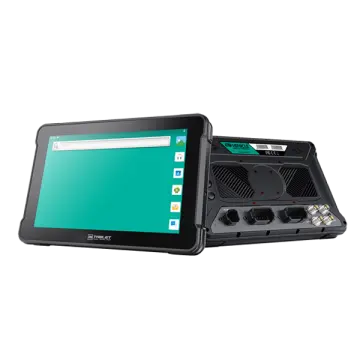
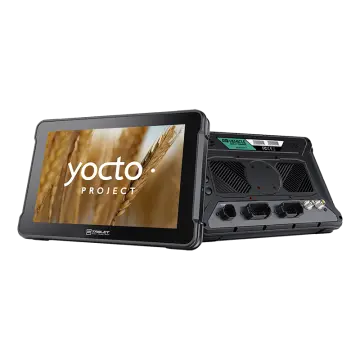
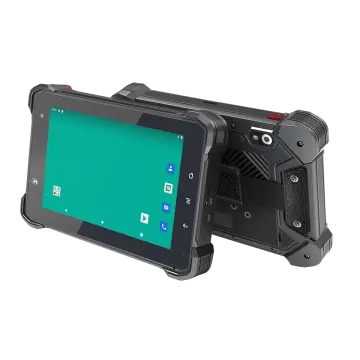
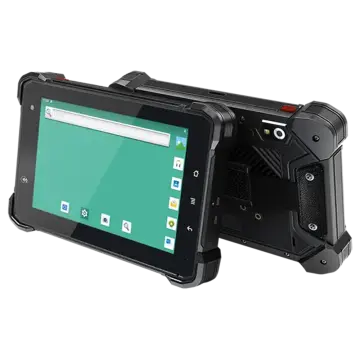
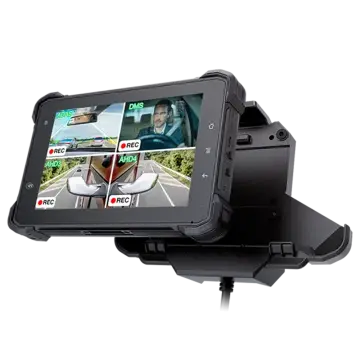
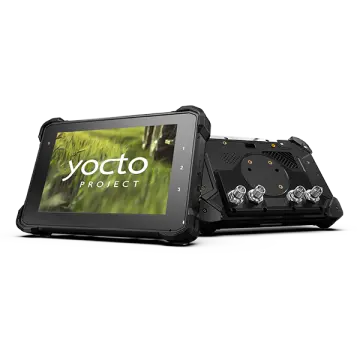
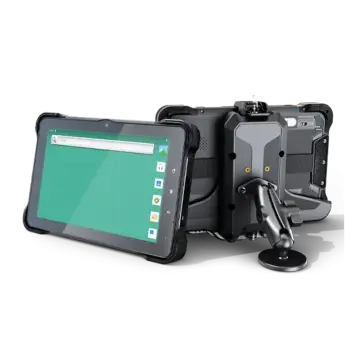
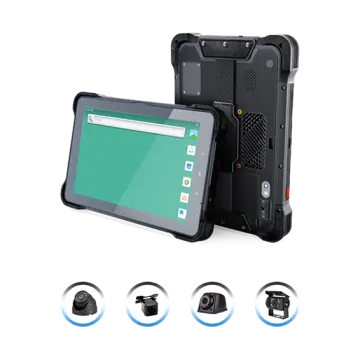
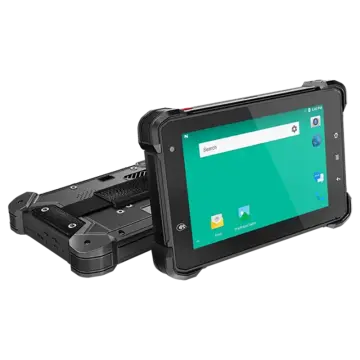
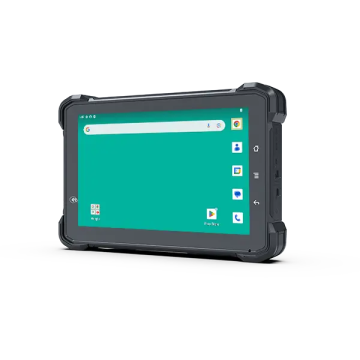
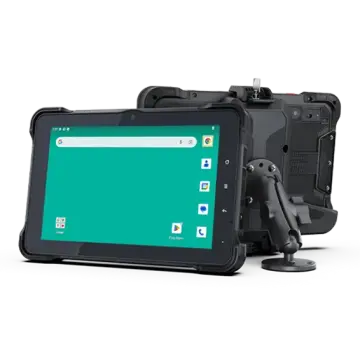
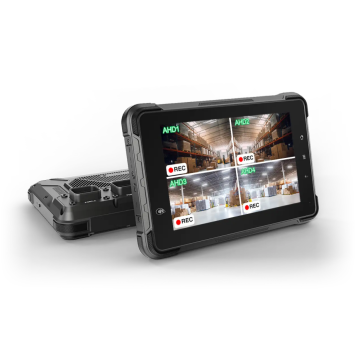
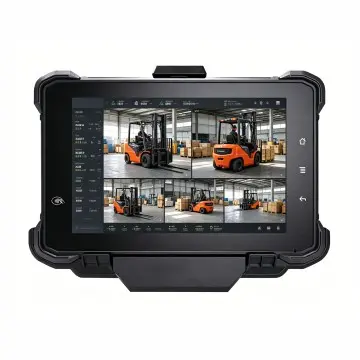
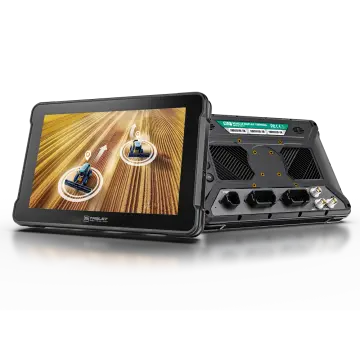
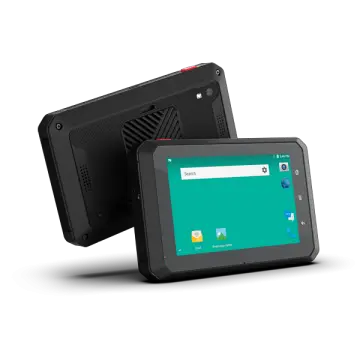
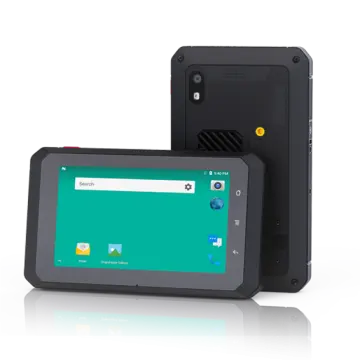
Rugged Tablet Android For Autonomous Driving Test

High-performance, ultra-reliable Android tablet terminals designed to bridge the gap between complex autonomous algorithms and real-world field verification.

Industrial & Commercial Status of Autonomous Driving Testing

The rapid evolution of autonomous driving technology—spanning from Level 2+ Advanced Driver Assistance Systems (ADAS) to Level 4/5 fully driverless operations—has catalyzed a dramatic shift in vehicle verification methodologies. Field testing is no longer just about logging miles; it has transformed into a highly sophisticated process of real-time data ingestion, sensor validation, and edge computing. Autonomous test vehicles are equipped with a complex array of LiDARs, Radars, high-resolution cameras, and inertial measurement units (IMUs). To orchestrate, monitor, and interact with these systems in real-time, test engineers and safety drivers require a robust human-machine interface (HMI) that can withstand the unique stresses of in-vehicle environments.

This is where the rugged Android tablet for autonomous driving tests plays an indispensable role. Unlike consumer-grade tablets, which fail under extreme temperatures, constant vehicle vibrations, and erratic power surges, industrial-grade rugged tablets provide the physical durability and computational reliability needed for continuous testing cycles. The commercial landscape shows a surging demand for these specialized devices, particularly as automotive OEMs, robotaxi operators, and autonomous trucking startups expand their test fleets across diverse geographical regions. Android has emerged as the preferred operating system for these testing interfaces due to its open-source flexibility, rapid application development cycle, and robust support for modern wireless communication protocols (including 5G, Wi-Fi 6, and V2X).

Flexible HMI Integration

Android's open architecture allows test engineers to deploy custom graphical interfaces for visualizing real-time sensor feeds, bounding boxes, and vehicle trajectories.

Military-Grade Durability

Built to comply with MIL-STD-810H and IP67 ratings, ensuring complete protection against dust ingress, water immersion, and severe mechanical shocks.

Seamless Connectivity

Equipped with high-precision GNSS/RTK modules, CAN-bus interfaces, and multi-carrier 5G to ensure uninterrupted communication with the vehicle network.

Deep-Dive Application Scenarios in Autonomous Testing

1. Real-Time ADAS & Sensor Calibration

Before an autonomous vehicle can navigate public roads, its perception stack must be meticulously calibrated. During track testing, engineers mount rugged Android tablets inside the cabin or use them externally as portable diagnostic tools. Connected to the vehicle's onboard computer via Wi-Fi or physical Ethernet, the tablet displays real-time overlays of camera feeds, LiDAR point clouds, and radar detections. Test operators can walk around the vehicle, adjust sensor alignments, and immediately verify the calibration metrics on a high-brightness, sunlight-readable screen. The tablet acts as a portable window into the vehicle's "brain," allowing on-the-spot adjustments that drastically reduce downtime.

2. Safety Driver Human-in-the-Loop (HITL) Interface

During public road testing, a safety driver must remain behind the wheel, ready to take control. A rugged Android tablet mounted securely on the dashboard serves as the primary communication link between the autonomous driving system and the safety driver. It visualizes the vehicle's planned path, speed, system health status, and confidence levels. If the system encounters an edge case (such as an ambiguous construction zone or an unexpected pedestrian path), the tablet alerts the driver visually and audibly. Furthermore, the safety driver can use the tablet to log "disengagements" (moments where they took manual control) and flag specific timestamps with predefined tags (e.g., "poor lane markings," "aggressive cut-in") for subsequent engineering analysis.

3. Dynamic Scenario Injection & Simulation Control

Closed-course testing often involves simulating complex traffic scenarios. Test coordinators stationed at the trackside or riding in support vehicles use rugged Android tablets to coordinate the entire test environment. Through custom Android applications connected to a local V2X network, engineers can trigger actions in surrounding "smart" targets—such as deploying a pedestrian dummy, controlling robotic target vehicles, or changing traffic light signals—precisely when the autonomous test vehicle reaches a specific waypoint. The tablet's low-latency wireless communication ensures precise synchronization between the physical environment and the autonomous vehicle's testing timeline.

4. Extreme Climate and Off-Road Durability Testing

Autonomous vehicles must prove their reliability in the harshest environments on Earth, from the freezing roads of northern Sweden to the scorching deserts of Arizona, and the rugged terrain of mining sites. Rugged Android tablets are engineered with wide temperature components, allowing them to boot up and operate flawlessly in temperatures ranging from -20°C to 60°C. Their robust internal thermal management prevents overheating under direct sunlight, while specialized optical bonding technology eliminates screen glare. In agricultural and mining autonomous testing, where vehicles operate in highly dusty and bumpy conditions, the IP67-rated chassis prevents fine dust from penetrating the internal circuitry, ensuring uninterrupted data logging.

3Rtablet is a globally leading rugged tablet manufacturer

Technology-based, market-oriented, innovative enterprise that develops and manufactures rugged Internet of Vehicles (IOV) terminals and IOT system solutions. With more than 18 years of professional experience, 3Rtablet has cooperated with many top brand telematics solution providers around the world, and the products are widely recognized for their stable performance and professional technical support.

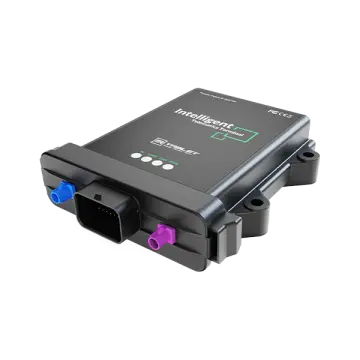
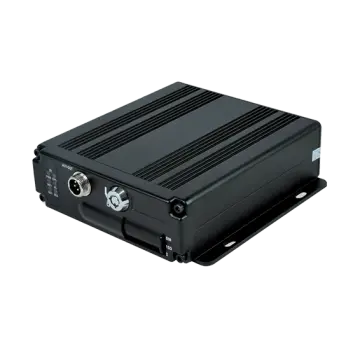
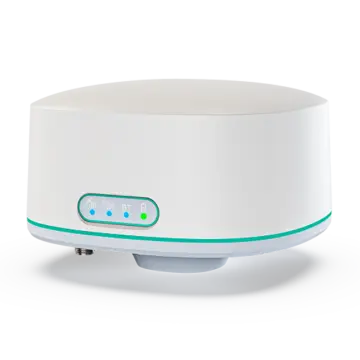
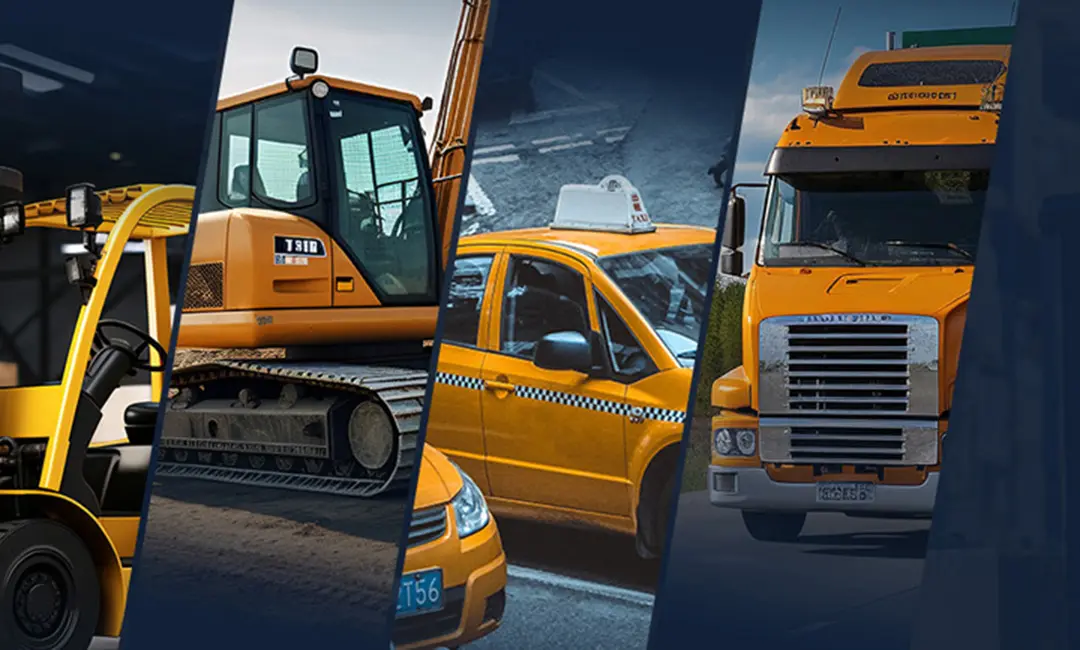
The main products include IP67 rugged tablets, MDM Rugged Device, Intelligent Vehicle Telematics Terminal, and RTK Base Station and Receiver, On-board Computers, Mobile Data Terminal, Agriculture display, Vehicle-mounted Tablets, AHD Camera Integrated Tablets, IP67/IP69K Android telematics boxes, MDVR and AI Dashcam. AI algorithmic vehicle video surveillance and recording technology and comprehensive IoT solutions for a wide range of fleet management application, including ELD/HOS in trucks, construction equipment, mining, forklift safety, taxi dispatch, agriculture precision, intelligent transportation systems, etc. Offering OEM/ODM services, we customize products to meet specific needs.

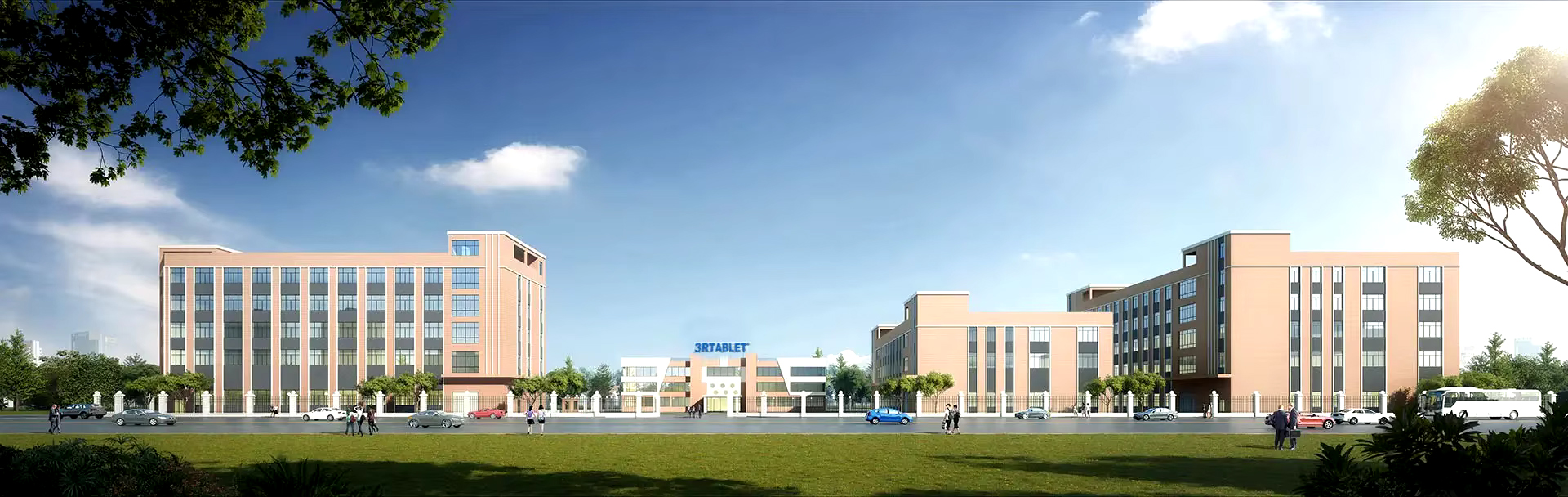
About 3Rtablet manufacturing facility

Development Trends in Rugged Android Hardware for Autonomous Driving

As autonomous driving systems transition from experimental R&D to mass commercialization, the hardware requirements for testing interfaces are evolving rapidly. Several key trends are shaping the future of rugged Android tablets in this sector:

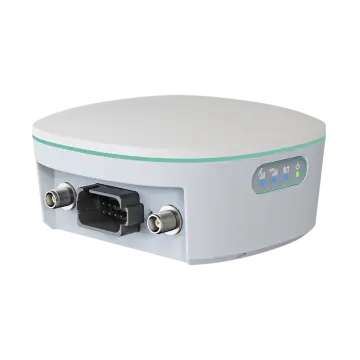
  • Integration of High-Precision RTK GPS: Centimeter-level positioning is crucial for verifying autonomous lane-keeping and docking maneuvers. Next-generation rugged tablets are increasingly integrating RTK (Real-Time Kinematic) modules directly into their hardware architecture, allowing test engineers to verify the vehicle's ground-truth position directly against its internal localization map.
  • Edge AI Processing Capabilities: Modern rugged tablets are incorporating dedicated Neural Processing Units (NPUs) alongside high-performance application processors (such as Qualcomm and NXP chipsets). This allows the tablet to run lightweight machine learning models locally—such as real-time driver fatigue monitoring or localized object detection from external AHD cameras—without overloading the vehicle's primary autonomous computer.
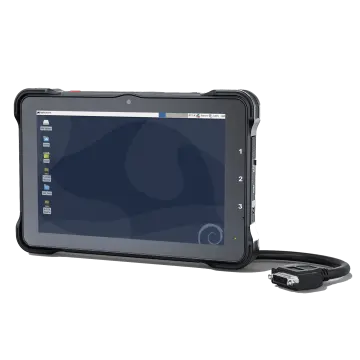
  • Hybrid Linux/Android Architectures: While Android remains the king of user interface and application-level flexibility, Linux is widely used for low-level ROS (Robot Operating System) nodes. The industry is seeing a convergence where rugged tablets support dual-boot configurations or run containerized Linux environments within Android, giving engineers the best of both worlds.
  • Enhanced Functional Safety & ISO 26262 Compliance: As testing moves closer to production validation, the hardware used by safety drivers must adhere to stricter functional safety standards. Future rugged tablets will feature redundant power inputs, hardware-level watchdog timers, and fail-safe display technologies to ensure the driver is never left without critical system feedback.

Our Advantage

3Rtablet R&D team with more than 18 years field experience to do technical support, and has been ready to support you in building professional solutions in specific markets.

Regions Served by 3Rtablet

Regions We Serve

3Rtablet has served customers among more than 70 countries in the North America, Europe, Latin America, Oceania, Africa, and the Asia Pacific region.

Industries We Related

Industries We Related

Fleet Management, Precision Agriculture, Mining, Taxi Dispatch, Forklift Safety, Construction, Public Transportation, Heavy Machinery & Trucks, Crane, Waste management, Vehicle tracking's and Emergency Response Solutions etc.

Services provided by 3Rtablet

Service We Provide

3Rtablet's Hardware devices are mainly powered by NXP, Qualcomm, TI solutions, Functional requirements, Hardware test-bed evaluation, Schematic diagram design, Brand requirements for more requirements, please refer to OEM/ODM service.

Our Value

// OUR BUSINESS //

3Rtablet follows innovative technologies, complete solutions, friendly products, excellent quality, and professional services to continuously improve product quality and customer satisfaction, delivering customers with Rugged, Reliable, and Ready Internet of Vehicle (IOV) devices. 3Rtablet has three core values at the heart of its operation: We are ‘Sincere’, we ‘Share’ and always strive for ‘Success’ with our business partners.