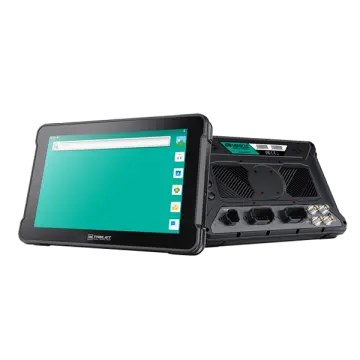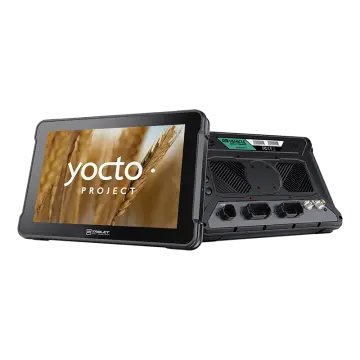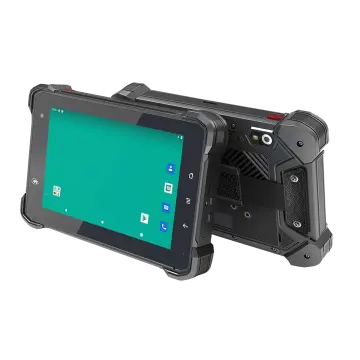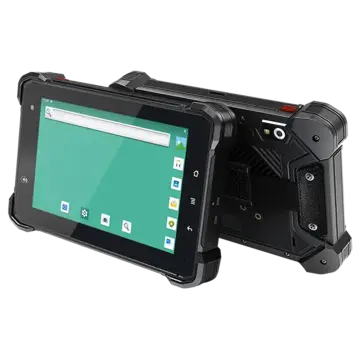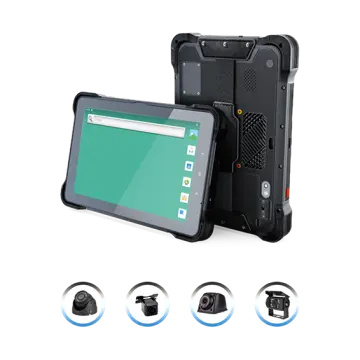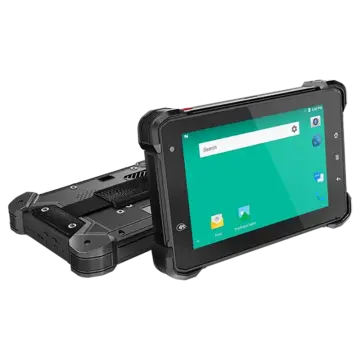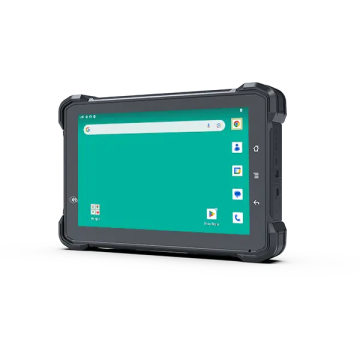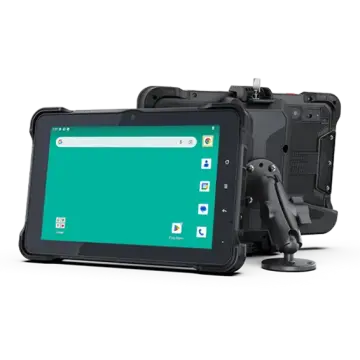
Automotive-grade hardware engineered specifically for complex telematics, CAN-bus integration, and continuous public transit operations.
Navigating modern urban mobility challenges with resilient connected computing and open telemetry platforms.
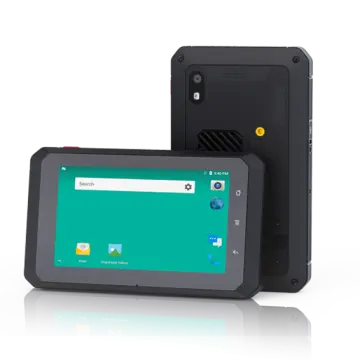
Public transportation systems worldwide are experiencing unprecedented digital disruption. With municipalities moving rapidly toward smart city ecosystems, municipal transit authorities face the monumental task of upgrading legacy proprietary systems into interoperable, connected platforms. A rugged tablet running Android has quickly emerged as the cornerstone of this transition. Consumer devices inevitably fail when deployed in heavy passenger vehicles due to continuous vibration, broad operating temperature ranges (-20°C to +70°C), voltage spikes from dirty bus power rails, and abrasive industrial cleaning agents.
Modern transit operators require flexible computing engines capable of running sophisticated Intelligent Transportation Systems (ITS) software. The adoption of open Android OS allows developers to design fluid human-machine interfaces (HMI) for operators, streamline over-the-air (OTA) updates, and deploy cross-functional software packages encompassing Computer-Aided Dispatch (CAD), Automatic Vehicle Location (AVL), passenger information systems, and fare validation simultaneously.
Transient voltage suppressions and wide voltage inputs (9-36V DC) safeguard the tablet against massive alternator surges, load dumps, and electrical noise typical of diesel, hybrid, and electric buses.
Engineered to handle severe vibration from urban road infrastructure, sudden mechanical shocks, sustained dust exposure, and high humidity, preventing critical operational downtime.
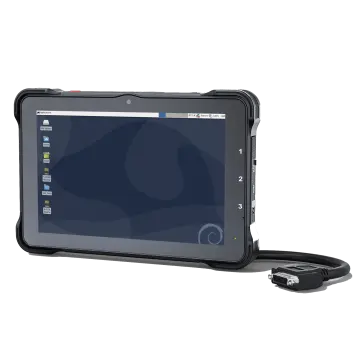
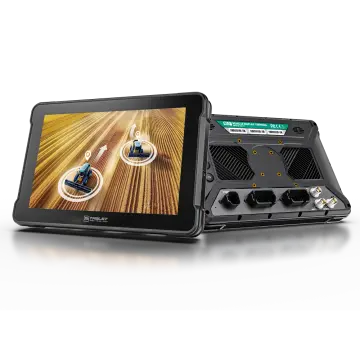
Native CAN bus (J1939, OBD-II) and configurable serial I/O (RS232, RS485, GPIO) interconnect directly with engine sensors, ticketing validators, and destination roll signs.
How rugged Android tablets perform as comprehensive edge computing nodes in daily route operations.
Equipped with high-sensitivity GNSS (GPS, GLONASS, Galileo, BeiDou), the in-vehicle tablet feeds precise geographic positioning back to the central operations center. Drivers receive dynamic route visualization, schedule adherence warnings, and headway management guidance to avoid bus bunching during peak traffic hours.
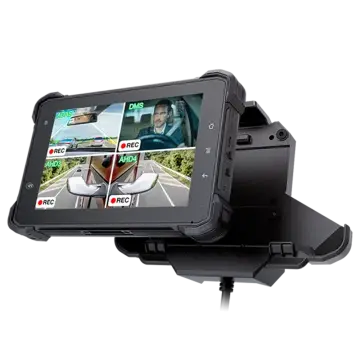
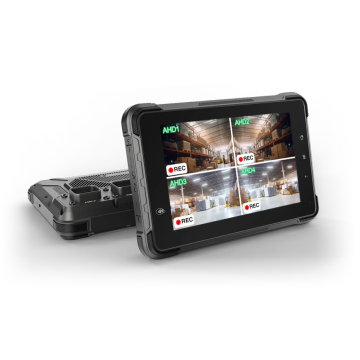
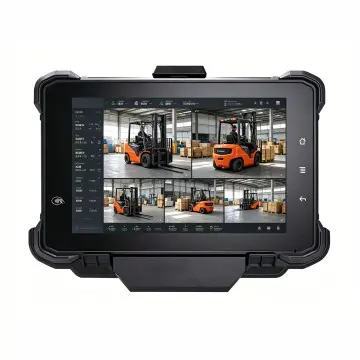
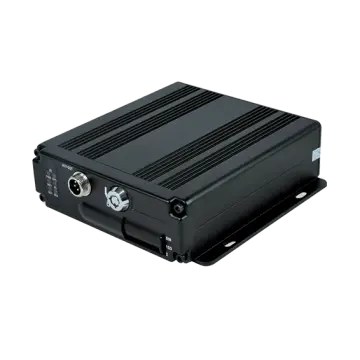
By connecting with multi-channel AHD cameras and processing video locally via AI algorithms, rugged Android tablets alert operators to driver fatigue, lane departures, smartphone usage, and blind-spot pedestrian risks, drastically improving public transit safety metrics.
Acting as the central gateway, the terminal interacts with on-board contactless validators, NFC card readers, and QR scanners. Secure mobile data pipelines facilitate instantaneous cloud authorization, reducing boarding wait times and streamlining account-based ticketing (ABT).
The tablet operates as the multimedia master, triggering automated next-stop voice announcements and synchronized route mapping displays across inside screens via Ethernet or RS485 connections, adhering to local accessibility regulations.
Continuous polling of vehicle status registers identifies engine temperature issues, transmission faults, or abnormal battery consumption in electric buses before failures cause mid-route strandings. It provides driver coaching feedback on harsh braking and excessive idling.
In hazardous circumstances, operators can trigger silent alarms through dedicated hardware GPIO switches wired into the tablet, transmitting immediate live video feeds and location telemetry to municipal emergency response desks.
Exploring the convergence of 5G, C-V2X infrastructure, and AI-enabled operating systems in public transit fleets.
The global public transport intelligent mobility market is slated for robust double-digit growth over the coming decade. As zero-emission electric buses (BEVs) and hydrogen-powered buses continue replacing legacy combustion fleets, the computing architecture on board must also evolve. Electric buses require strict energy management oversight; the tablet plays a pivotal role in optimizing heating, ventilation, and air conditioning (HVAC) loads against battery status, charging schedules, and route topography.
Furthermore, the ongoing development of Cellular Vehicle-to-Everything (C-V2X) enables buses to interact directly with urban infrastructure, such as transit signal priority (TSP) systems. Rugged Android devices serve as the edge processing interface, requesting priority green lights at signalized intersections to guarantee punctuality without driver intervention. The integration of 5G transceivers delivers the bandwidth necessary for simultaneous high-definition surveillance streaming, multi-passenger Wi-Fi backhaul, and high-precision lane-level navigation.
Technology-based, market-oriented, innovative enterprise that develops and manufactures rugged Internet of Vehicles (IOV) terminals and IOT system solutions. With more than 18 years of professional experience, 3Rtablet has cooperated with many top brand telematics solution providers around the world, and the products are widely recognized for their stable performance and professional technical support.
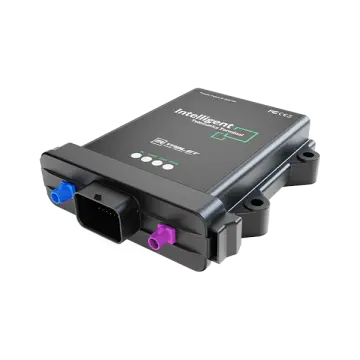
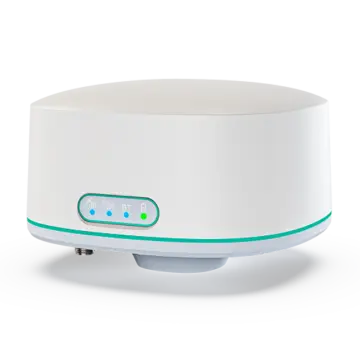
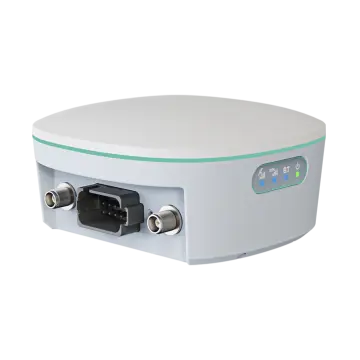
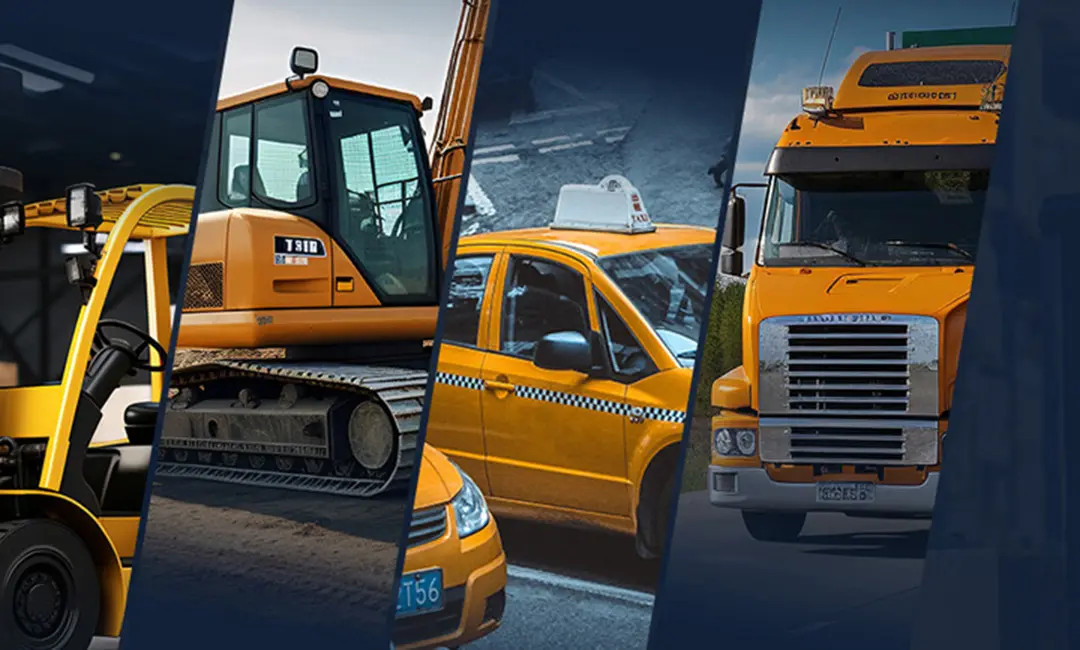
The main products include IP67 rugged tablets, MDM Rugged Device, Intelligent Vehicle Telematics Terminal, and RTK Base Station and Receiver, On-board Computers, Mobile Data Terminal, Agriculture display, Vehicle-mounted Tablets, AHD Camera Integrated Tablets, IP67/IP69K Android telematics boxes, MDVR and AI Dashcam. AI algorithmic vehicle video surveillance and recording technology and comprehensive IoT solutions for a wide range of fleet management application, including ELD/HOS in trucks, construction equipment, mining, forklift safety, taxi dispatch, agriculture precision, intelligent transportation systems, etc. Offering OEM/ODM services, we customize products to meet specific needs.
3Rtablet R&D team with more than 18 years field experience to do technical support, and has been ready to support you in building professional solutions in specific markets.
3Rtablet has served customers among more than 70 countries in North America, Europe, Latin America, Oceania, Africa, and the Asia Pacific region, delivering tailored transportation computing solutions across diverse environments.
Fleet Management, Precision Agriculture, Mining, Taxi Dispatch, Forklift Safety, Construction, Public Transportation, Heavy Machinery & Trucks, Crane, Waste management, Vehicle trackings, and Emergency Response Solutions.
3Rtablet's hardware devices are powered by NXP, Qualcomm, and TI solutions. We support complete hardware test-bed evaluation, schematic diagram design, kernel-level OS adaptation, and comprehensive OEM/ODM custom services.
// OUR BUSINESS //
3Rtablet follows innovative technologies, complete solutions, friendly products, excellent quality, and professional services to continuously improve product quality and customer satisfaction, delivering customers with Rugged, Reliable, and Ready Internet of Vehicle (IOV) devices. 3Rtablet has three core values at the heart of its operation: We are ‘Sincere’, we ‘Share’ and always strive for ‘Success’ with our business partners.
Ruggedized vehicle computers, display terminals, and IoT gate boxes engineered for demanding transit fleets.