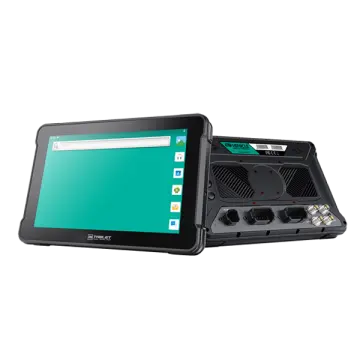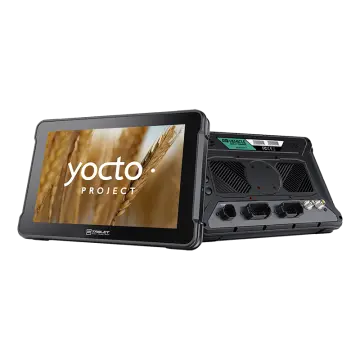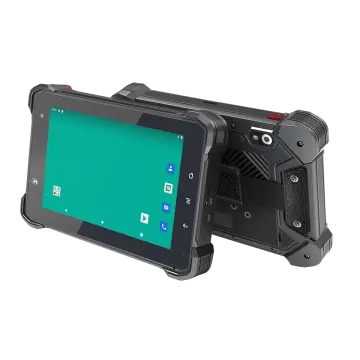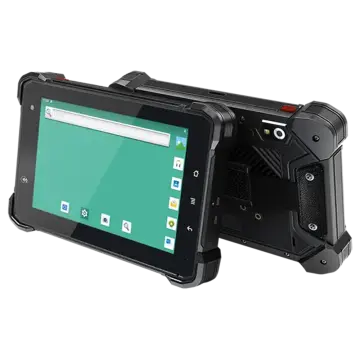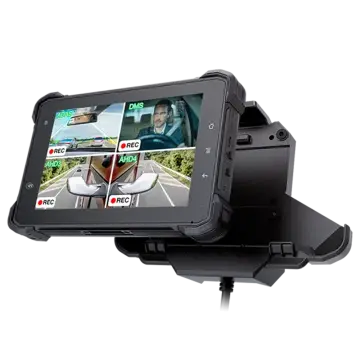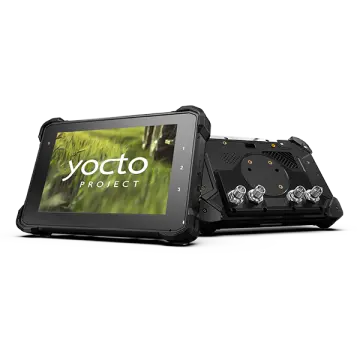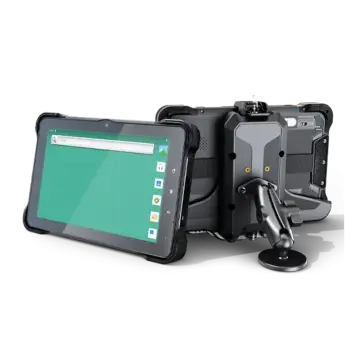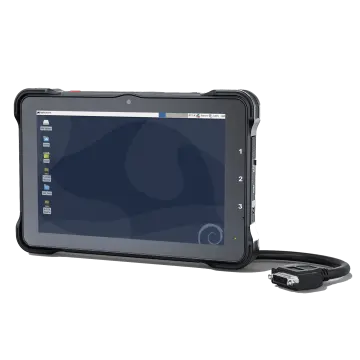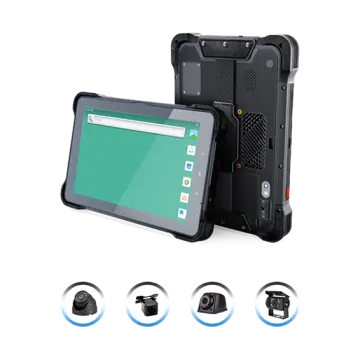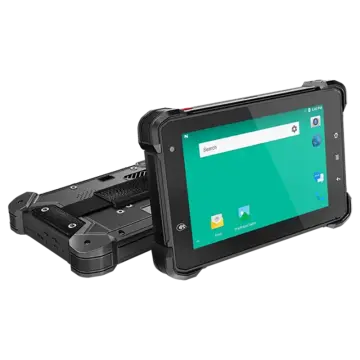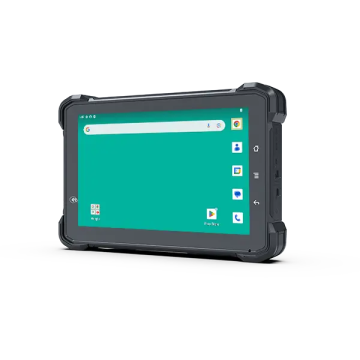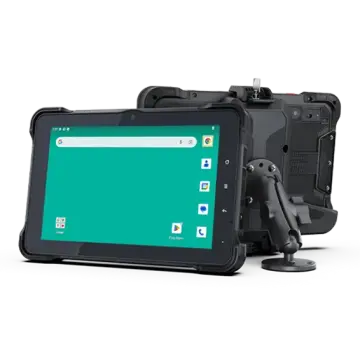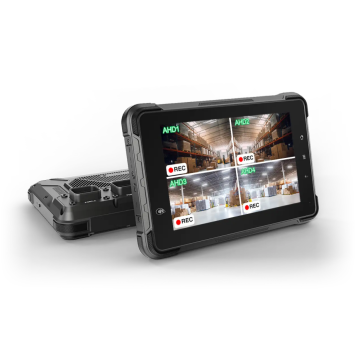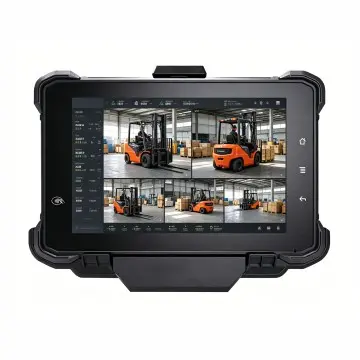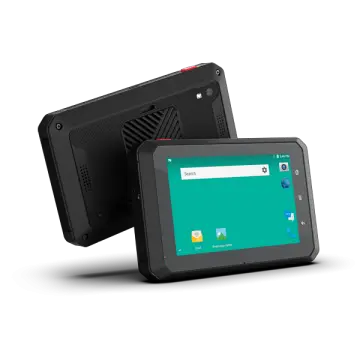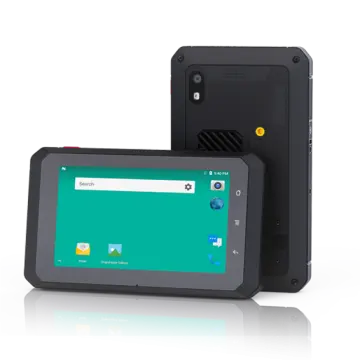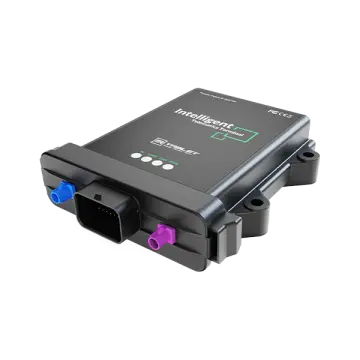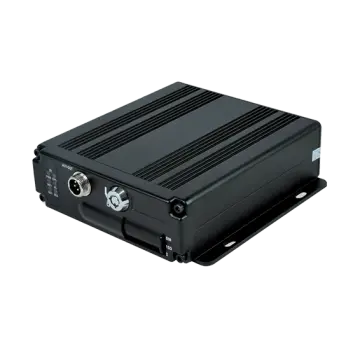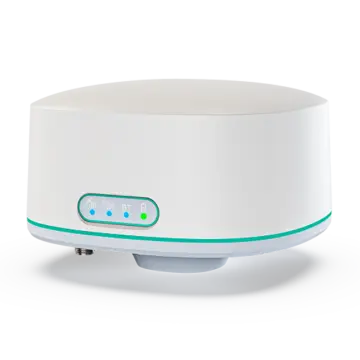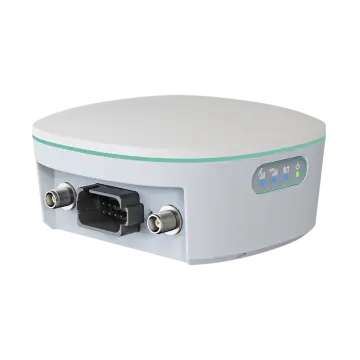
Deploy robust, high-performance in-vehicle display terminals specifically engineered to interface with vehicle networks, handle extreme environments, and manage real-time testing data.
The global autonomous vehicle (AV) market is accelerating at an unprecedented rate. Driven by advancements in machine learning, sensor technology, and high-speed edge computing, autonomous systems are moving rapidly from confined R&D environments to public roads. This transition spans multiple sectors, including urban passenger transport (Robotaxis), logistics and long-haul trucking, agricultural robotics, and autonomous mining fleets. However, before these systems can be safely deployed, they must undergo millions of miles of rigorous physical testing and validation.
In this high-stakes testing environment, the demand for specialized, ruggedized hardware has surged. Industrial Android tablets have emerged as a critical element of the vehicle validation pipeline. Unlike consumer-grade tablets, which fail under extreme cabin temperatures, road vibrations, and sunlight glare, industrial-grade Android displays provide the reliability and connectivity required by test engineers and safety drivers. The industry is experiencing a significant shift away from legacy, proprietary testing displays toward open, custom-built Android systems that seamlessly integrate with modern vehicle software architectures like ROS (Robot Operating System), Linux-based edge computers, and cloud-based telemetry platforms.
"As autonomous driving systems scale from Level 2+ (ADAS) to Level 4 (High Automation), the volume of real-time data that must be monitored by in-vehicle safety drivers has grown exponentially. Rugged Android tablets serve as the primary human-machine interface (HMI), bridging the gap between complex AI stacks and human operators."
Android has become the operating system of choice for modern automotive testing applications due to its flexibility, extensive developer ecosystem, and robust connectivity options. By leveraging Android Open Source Project (AOSP) platforms, autonomous vehicle developers and system integrators can deploy customized user interfaces, lock down security profiles, and streamline hardware communication.
Android allows software engineers to build rich, intuitive HMIs using standard development tools. Whether displaying real-time 3D LiDAR point clouds, camera feeds, or system health metrics, Android provides the graphical performance and APIs necessary to build responsive applications. It also allows developers to run containerized microservices and custom diagnostic tools directly on the device.
Modern autonomous testing requires simultaneous connections to multiple vehicle sub-systems. Industrial Android tablets are equipped with versatile I/O interfaces, including CAN bus (J1939, CAN-FD), Gigabit Ethernet, RS232/485 serial ports, and USB connections. This allows the tablet to read diagnostic trouble codes (DTCs), capture telemetry, and interface directly with the vehicle's central ECU or ADAS domain controller.
Autonomous testing fleets rely on constant communication with remote operations centers. Rugged Android tablets feature high-speed dual-SIM 5G cellular networks, Wi-Fi 6, and Bluetooth 5.0, enabling continuous data upload, remote teleoperation support, and real-time over-the-air (OTA) updates to the testing software suite.
Managing a fleet of test vehicles requires centralized control over the devices inside the cabins. Android’s native MDM capabilities allow fleet operators to push software updates, monitor device battery health, track vehicle locations via GPS, and restrict device usage to authorized testing applications, ensuring maximum security and uptime.
Industrial Android tablets are deployed across various phases of the autonomous vehicle development cycle, acting as the operational hub inside the test vehicle. Here is how they are applied in key scenarios:
Autonomous vehicles utilize a complex suite of sensors—including LiDAR, radar, cameras, and ultrasonic sensors—to perceive their surroundings. Before a vehicle can drive autonomously, these sensors must be calibrated with millimeter precision. During track testing, engineers mount an industrial tablet inside the cabin to run calibration software. The tablet displays real-time alignment data, allowing engineers to verify sensor calibration, check for camera obstructions, and adjust parameters on the fly without needing a separate laptop.
For applications in precision agriculture, mining, and autonomous trucking, vehicles must follow pre-defined paths with absolute accuracy. Rugged Android tablets integrated with RTK (Real-Time Kinematic) GNSS modules allow engineers to monitor positioning accuracy in real-time. The tablet acts as the visual terminal for path-following errors, satellite signal quality (GNSS/GLONASS/BeiDou), and RTK correction status, ensuring the vehicle maintains centimeter-level localization.
During public road testing, safety drivers are required to monitor the autonomous system and take control of the vehicle if an anomaly occurs. The industrial tablet serves as the primary interface for the safety driver, displaying simplified system status alerts, route progress, and offering a quick-access interface to log the exact reason for a "disengagement" (e.g., system error, construction zone, aggressive cut-in). This data is immediately uploaded to the cloud to retrain the autonomous driving algorithms.
In advanced testing setups, vehicles are connected to remote operation centers where teleoperators can assist the vehicle in complex scenarios. The onboard tablet displays instructions from the remote operator, video feeds, and system status updates to keep the local safety driver informed of the remote system's actions, ensuring a safe closed-loop testing environment.
Standard consumer tablets are not built to withstand the rigors of vehicle testing. A true industrial Android tablet for autonomous driving tests must meet strict hardware specifications:
Cabins of test vehicles can experience extreme heat under direct sunlight and freezing temperatures during winter testing. Tablets must operate reliably from -20°C to 70°C. An IP67 rating is mandatory to protect against dust and moisture ingress, particularly in open-cab agricultural or mining vehicles.
Continuous driving over rough test tracks, gravel roads, or off-road terrain subjects equipment to constant vibration. Industrial tablets are certified to MIL-STD-810H standards, utilizing ruggedized internal components and specialized vehicle docks to prevent hardware failure.
To access vehicle networks, the tablet must interface with CAN bus (J1939, CAN-FD) and OBD-II systems. High-speed Gigabit Ethernet, Wi-Fi 6, and dual-SIM 5G capabilities ensure low-latency data transmission to local servers and cloud environments.
Safety drivers and engineers must be able to read the screen in bright daylight. Industrial tablets feature high-brightness displays (typically 800 to 1000 nits) with anti-glare coatings and optical bonding to maximize contrast and legibility.
As autonomous driving technologies progress toward commercialization, the role of industrial Android tablets is evolving. Key trends shaping the future of these devices include:
Technology-based, market-oriented, innovative enterprise that develops and manufactures rugged Internet of Vehicles (IOV) terminals and IOT system solutions. With more than 18 years of professional experience, 3Rtablet has cooperated with many top brand telematics solution providers around the world, and the products are widely recognized for their stable performance and professional technical support.
The main products include IP67 rugged tablets, MDM Rugged Device, Intelligent Vehicle Telematics Terminal, and RTK Base Station and Receiver, On-board Computers, Mobile Data Terminal, Agriculture display, Vehicle-mounted Tablets, AHD Camera Integrated Tablets, IP67/IP69K Android telematics boxes, MDVR and Al Dashcam. Al algorithmic vehicle video surveillance and recording technology and comprehensive loT solutions for a wide range of fleet management application, including ELD/HOS in trucks, construction equipment, mining, forklift safety, taxi dispatch, agriculture precision, intelligent transportation systems, etc. Offering OEM/ODM services, we customize products to meet specific needs.

Of Production Experience
3Rtablet R&D team with more than 18 years field experience to do technical support, and has been ready to support you in building professional solutions in specific markets.

3Rtablet has served customers among more than 70 countries in the North America, Europe, Latin America, Oceania, Africa, and the Asia Pacific region.

Fleet Management, Precision Agriculture, Mining, Taxi Dispatch, Forklift Safety, Construction, Public Transportation, Heavy Machinery & Trucks, Crane, Waste management, Vehicle tracking’s and Emergency Response Solutions etc.

3Rtablet's Hardware devices are mainly powered by NXP, Qualcomm, TI solutions, Functional requirements, Hardware test-bed evaluation, Schematic diagram design, Brand requirements for more requirements, please refer to OEM/ODM service.
"3Rtablet follows innovative technologies, complete solutions, friendly products, excellent quality, and professional services to continuously improve product quality and customer satisfaction, delivering customers with Rugged, Reliable, and Ready Internet of Vehicle (IOV) devices. 3Rtablet has three core values at the heart of its operation: We are ‘Sincere’, we ‘Share’ and always strive for ‘Success’ with our business partners."
Choose from our wide range of Android and Linux rugged tablets, designed to meet the demands of fleet management, autonomous testing, precision agriculture, and heavy industrial applications.