Leave Your Message

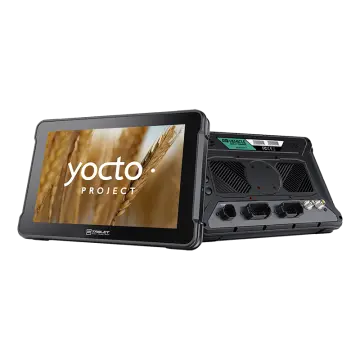
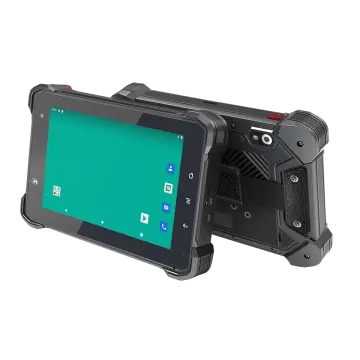
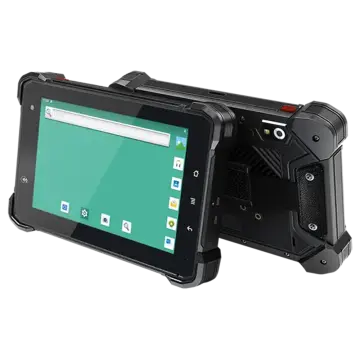
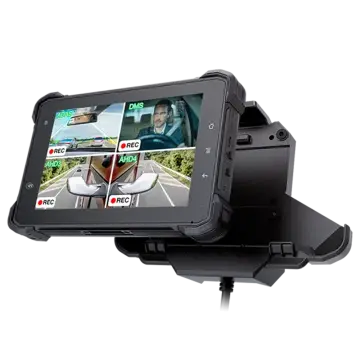
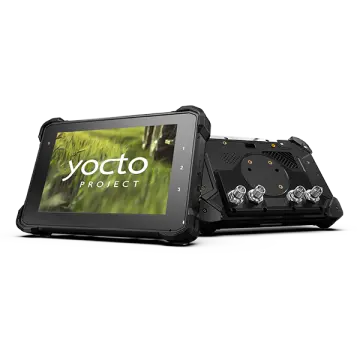
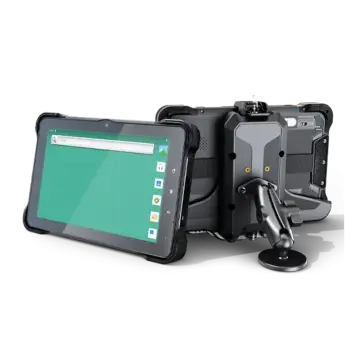
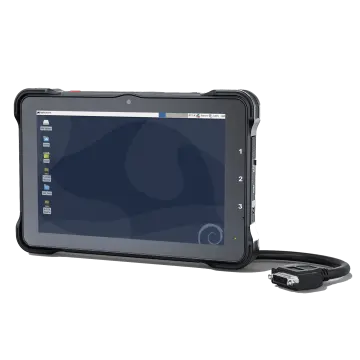
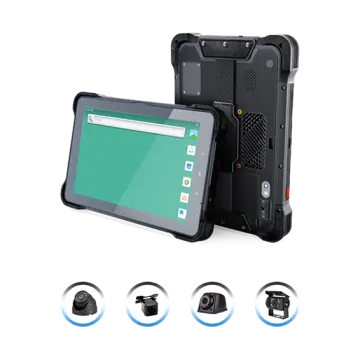
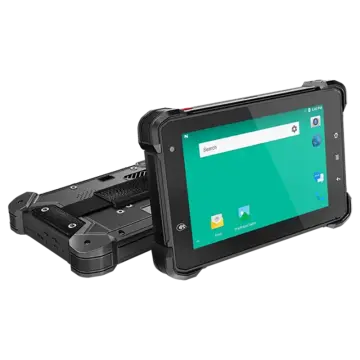
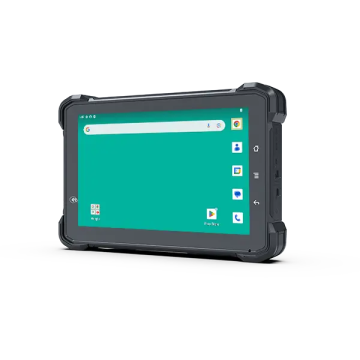
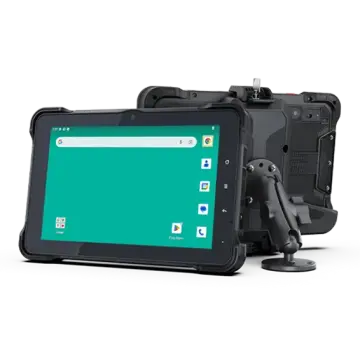
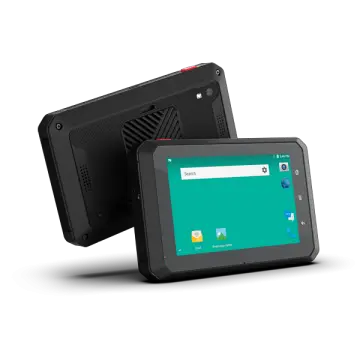
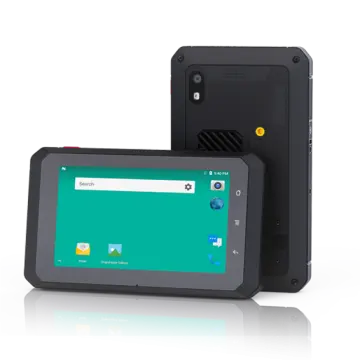
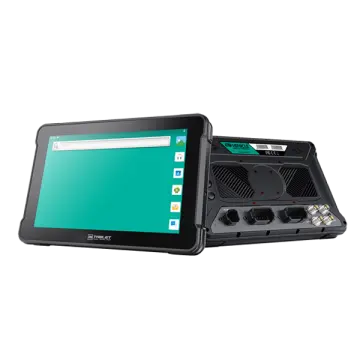
Tablet Industrial Android For Construction Site Machinery

Rugged, Reliable, and Ready for the Toughest Environments

The Evolution of Industrial Android Tablets in Construction Machinery

The construction industry is undergoing a profound digital transformation, and at the heart of this revolution are industrial Android tablets specifically designed for construction site machinery. These rugged devices have evolved from simple data collection tools into comprehensive command centers that integrate real-time monitoring, equipment diagnostics, operator assistance, and site management capabilities. As construction projects become increasingly complex and data-driven, the demand for reliable, durable, and intelligent mobile computing solutions has never been greater.

Industrial Android tablets for construction machinery represent a convergence of several technological trends: the maturation of Android as an enterprise operating system, advances in ruggedization technology, improvements in wireless connectivity, and the growing sophistication of construction equipment telematics. Modern construction sites are no longer isolated work zones but connected ecosystems where every piece of machinery, every operator, and every process generates valuable data that can be captured, analyzed, and acted upon in real-time.

⚡ Key Industry Insight

The global construction equipment telematics market is projected to reach $8.2 billion by 2027, with rugged mobile devices serving as the primary interface for operators and site managers to access this wealth of operational intelligence.

Current State of the Construction Machinery Technology Landscape

Today's construction sites face unprecedented challenges: tighter project timelines, stricter safety regulations, skilled labor shortages, and increasing pressure to reduce environmental impact. Industrial Android tablets have emerged as essential tools to address these challenges by providing construction machinery operators and site managers with instant access to critical information and control systems.

Modern construction machinery—from excavators and bulldozers to cranes and concrete pumps—increasingly incorporates sophisticated electronic control systems, GPS positioning, load monitoring sensors, and diagnostic capabilities. Industrial Android tablets serve as the human-machine interface for these systems, replacing traditional analog gauges and controls with intuitive touchscreen displays that can present complex information in easily digestible formats.

The adoption of industrial Android tablets in construction machinery has been driven by several factors. First, the Android operating system offers a familiar user interface that reduces training time for operators who already use Android smartphones in their personal lives. Second, the open nature of Android allows equipment manufacturers and third-party developers to create specialized applications tailored to specific machinery types and operational requirements. Third, Android's support for a wide range of connectivity options—including 4G/5G cellular, Wi-Fi, Bluetooth, and GPS—enables seamless integration with cloud-based fleet management systems and real-time communication with site offices.

🏗️

Real-Time Monitoring

Track equipment performance, fuel consumption, and operational status across entire construction fleets with instant visibility into machinery health and productivity metrics.

🛡️

Enhanced Safety

Implement digital safety checklists, proximity alerts, and operator certification verification to reduce workplace accidents and ensure regulatory compliance.

📊

Data-Driven Decisions

Leverage analytics and reporting capabilities to optimize equipment utilization, schedule preventive maintenance, and improve overall project efficiency.

Deep Dive: Application Scenarios in Construction Machinery

The versatility of industrial Android tablets makes them suitable for a wide range of construction machinery applications, each with unique requirements and benefits.

Excavator and Earthmoving Equipment: In excavators, backhoes, and bulldozers, industrial Android tablets provide operators with grade control information, 3D terrain models, and real-time guidance for precision excavation. These tablets integrate with machine control systems to display target depths, slopes, and cut-fill maps, enabling operators to work with centimeter-level accuracy without constant surveyor intervention. The tablets also monitor hydraulic system performance, engine parameters, and fuel consumption, alerting operators to potential issues before they result in costly downtime.

Crane and Lifting Operations: Tower cranes, mobile cranes, and other lifting equipment benefit from industrial Android tablets that display load charts, wind speed data, boom angle information, and anti-collision warnings. These tablets can integrate with load moment indicators and provide visual and audible alerts when approaching safe working limits. For complex lifts, tablets can display 3D lift plans and step-by-step procedures, ensuring that operators follow approved methods and maintain safety margins.

Concrete and Paving Equipment: Concrete pumps, pavers, and finishing equipment use industrial Android tablets to control material flow rates, monitor slump and temperature, and ensure consistent quality. In paving operations, tablets provide grade and slope information, material usage tracking, and real-time adjustments to screed controls. This level of precision reduces material waste, improves surface quality, and accelerates project completion.

Compaction and Soil Stabilization: Rollers and compactors equipped with industrial Android tablets can implement intelligent compaction systems that measure soil density in real-time and adjust vibration frequency and amplitude automatically. The tablets display color-coded compaction maps showing areas that meet specifications and those requiring additional passes, eliminating guesswork and ensuring uniform compaction across the entire site.

🔧 Technical Advantage

Industrial Android tablets designed for construction machinery typically feature IP67 or IP69K ratings, ensuring complete protection against dust ingress and resistance to high-pressure water jets—essential for equipment that operates in muddy, dusty, and wet conditions daily.

Emerging Trends and Future Developments

The future of industrial Android tablets in construction machinery is being shaped by several converging technological trends that promise to further enhance their capabilities and expand their applications.

Artificial Intelligence and Machine Learning: Next-generation industrial Android tablets are incorporating AI capabilities that enable predictive maintenance, automated anomaly detection, and intelligent operator assistance. Machine learning algorithms analyze historical performance data to predict component failures before they occur, allowing maintenance teams to schedule repairs during planned downtime rather than responding to unexpected breakdowns. AI-powered computer vision systems can assist operators by automatically identifying obstacles, measuring distances, and suggesting optimal equipment positioning.

Augmented Reality Integration: AR-enabled industrial Android tablets are beginning to appear in construction machinery, overlaying digital information onto the operator's view of the physical environment. This technology can display underground utilities, highlight excavation boundaries, show the location of buried obstacles, and provide visual guidance for complex operations. As AR technology matures and becomes more affordable, it will transform how operators interact with their equipment and environment.

5G Connectivity and Edge Computing: The rollout of 5G networks is enabling industrial Android tablets to transmit and receive large volumes of data with minimal latency. This capability supports real-time video streaming from multiple cameras, instant synchronization of 3D models and site plans, and seamless collaboration between operators, supervisors, and remote experts. Edge computing capabilities allow tablets to process data locally when network connectivity is limited, ensuring continuous operation even in remote construction sites.

Autonomous and Semi-Autonomous Operations: As construction machinery becomes increasingly automated, industrial Android tablets are evolving into supervisory control interfaces that allow operators to monitor and manage multiple autonomous machines simultaneously. These tablets provide high-level task assignment, progress monitoring, and intervention capabilities, enabling a single operator to oversee the work of several machines and dramatically improving productivity.

Sustainability and Environmental Monitoring: Modern industrial Android tablets are incorporating features that help construction companies meet environmental regulations and sustainability goals. These include real-time emissions monitoring, fuel efficiency optimization recommendations, noise level tracking, and integration with environmental sensors that measure air quality, vibration, and dust levels. By providing operators and site managers with immediate feedback on environmental impact, these tablets enable more responsible construction practices.

About 3Rtablet

3Rtablet: Leading Innovation in Rugged Industrial Tablets

3Rtablet is a globally leading rugged tablet manufacturer with a technology-based, market-oriented approach to developing innovative Internet of Vehicles (IOV) terminals and IOT system solutions. With more than 18 years of professional experience, 3Rtablet has established partnerships with top brand telematics solution providers worldwide.

Our products are widely recognized for their stable performance and professional technical support. We specialize in IP67 rugged tablets, MDM Rugged Devices, Intelligent Vehicle Telematics Terminals, and comprehensive IoT solutions for construction equipment, mining operations, and heavy machinery applications.

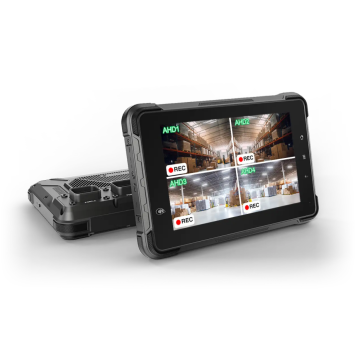
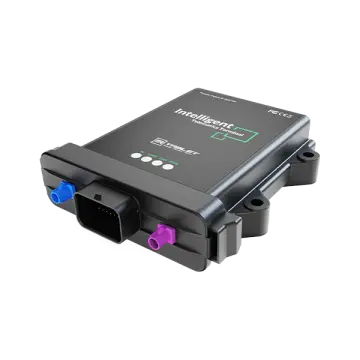
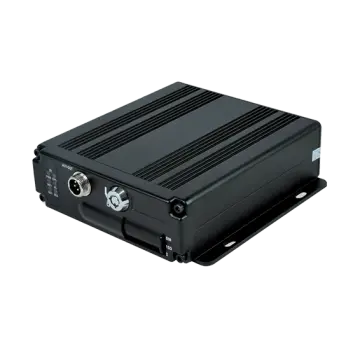
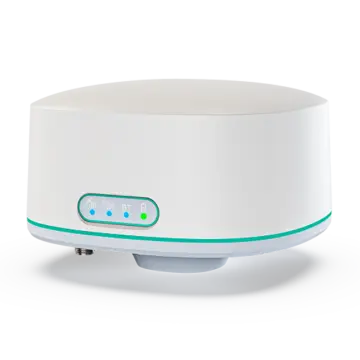
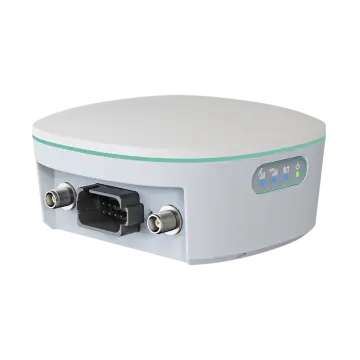
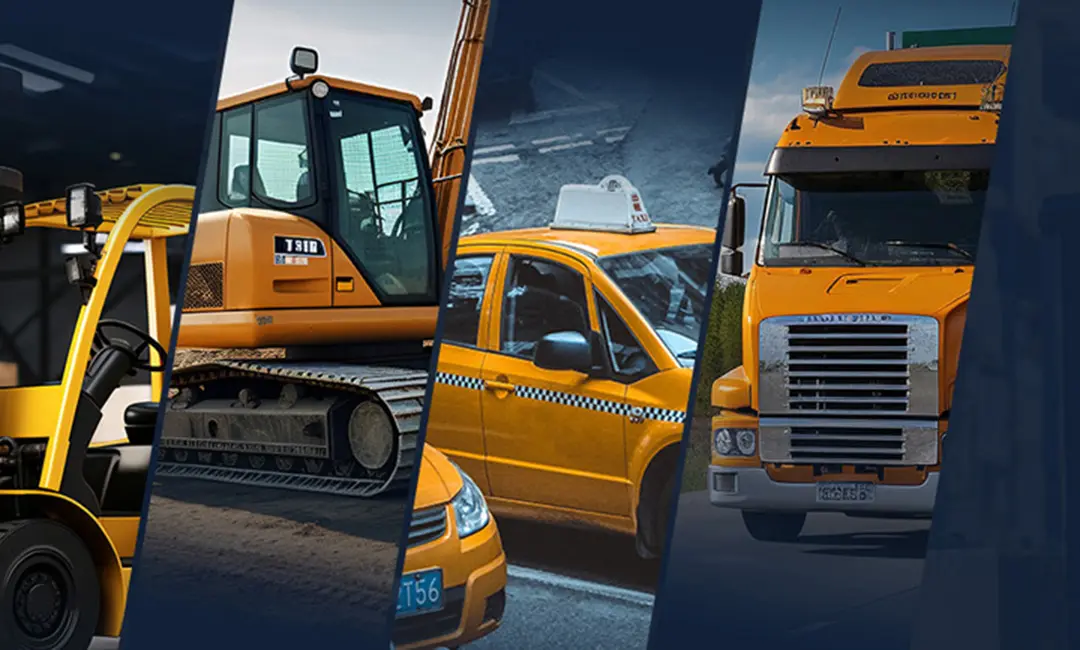
The main products include IP67 rugged tablets, MDM Rugged Device, Intelligent Vehicle Telematics Terminal, RTK Base Station and Receiver, On-board Computers, Mobile Data Terminal, Agriculture display, Vehicle-mounted Tablets, AHD Camera Integrated Tablets, IP67/IP69K Android telematics boxes, MDVR and AI Dashcam. AI algorithmic vehicle video surveillance and recording technology and comprehensive IoT solutions for a wide range of fleet management applications, including ELD/HOS in trucks, construction equipment, mining, forklift safety, taxi dispatch, agriculture precision, intelligent transportation systems, etc. Offering OEM/ODM services, we customize products to meet specific needs.

Technical Specifications and Ruggedization Standards

Industrial Android tablets designed for construction machinery must meet stringent durability and performance requirements that far exceed consumer-grade devices. Understanding these specifications is crucial for selecting the right tablet for specific construction applications.

Environmental Protection: Construction machinery operates in some of the harshest environments imaginable. Industrial Android tablets must withstand exposure to dust, mud, water, extreme temperatures, and constant vibration. IP67 and IP69K ratings ensure complete dust-tightness and protection against temporary immersion in water and high-pressure, high-temperature water jets. Military-standard MIL-STD-810G certification validates resistance to shock, vibration, humidity, altitude, and temperature extremes ranging from -30°C to +60°C.

Display Technology: Sunlight readability is critical for construction machinery tablets, as operators must be able to view the screen clearly in direct sunlight. High-brightness displays with 1000+ nits luminance and optical bonding technology eliminate air gaps between the display and cover glass, reducing reflections and improving contrast. Capacitive touchscreens must support glove operation and wet-finger touch, allowing operators to interact with the device while wearing work gloves or in rainy conditions.

Processing Power and Memory: Modern construction applications demand substantial computing resources. Industrial Android tablets typically feature octa-core processors, 4-8GB of RAM, and 64-128GB of storage to handle complex 3D modeling, real-time data processing, and multiple simultaneous applications. Expandable storage via microSD cards provides flexibility for storing large site plans, equipment manuals, and historical data.

Connectivity Options: Comprehensive connectivity is essential for integrating tablets with construction machinery systems and site networks. Industrial tablets support 4G LTE or 5G cellular connectivity, dual-band Wi-Fi, Bluetooth 5.0, GPS/GLONASS/Galileo positioning, and multiple USB and serial ports for connecting to equipment CAN bus systems, external sensors, and peripheral devices.

Power Management: Construction machinery tablets must operate for full work shifts without recharging. Hot-swappable battery systems allow operators to replace depleted batteries without powering down the device, ensuring continuous operation. Intelligent power management extends battery life by adjusting screen brightness, processor speed, and connectivity based on usage patterns and remaining charge.

Our Advantages

Regions We Serve

Regions We Serve

3Rtablet has served customers among more than 70 countries in North America, Europe, Latin America, Oceania, Africa, and the Asia Pacific region, providing localized support and understanding regional construction industry requirements.

Industries We Related

Industries We Related

Fleet Management, Precision Agriculture, Mining, Taxi Dispatch, Forklift Safety, Construction, Public Transportation, Heavy Machinery & Trucks, Crane, Waste management, Vehicle tracking's and Emergency Response Solutions etc.

Service We Provide

Service We Provide

3Rtablet's Hardware devices are mainly powered by NXP, Qualcomm, TI solutions. Functional requirements, Hardware test-bed evaluation, Schematic diagram design, Brand requirements for more requirements, please refer to OEM/ODM service.

Implementation Considerations and Best Practices

Successfully deploying industrial Android tablets in construction machinery requires careful planning and consideration of several factors beyond hardware specifications.

Integration with Existing Systems: Construction companies often have established fleet management systems, ERP platforms, and project management software. Industrial Android tablets must integrate seamlessly with these existing systems through APIs, middleware, or custom integration solutions. Compatibility with industry-standard protocols such as J1939, CANbus, and Modbus ensures that tablets can communicate with a wide range of construction equipment regardless of manufacturer.

User Training and Adoption: Even the most capable industrial Android tablet will fail to deliver value if operators and site personnel do not use it effectively. Comprehensive training programs should cover not only basic device operation but also the specific applications and workflows relevant to each user's role. Intuitive user interfaces, context-sensitive help, and multilingual support facilitate adoption across diverse workforces.

Data Security and Privacy: Construction projects often involve sensitive information including site plans, client data, and proprietary construction methods. Industrial Android tablets must implement robust security measures including encrypted storage, secure boot, VPN connectivity, and mobile device management (MDM) capabilities that allow IT administrators to remotely configure, monitor, and wipe devices if necessary.

Maintenance and Support: Construction environments are unforgiving, and even the most rugged tablets will eventually require maintenance or repair. Selecting a manufacturer that offers comprehensive warranty coverage, rapid repair turnaround, and readily available spare parts minimizes downtime. On-site spare devices and hot-swap capabilities ensure that equipment can continue operating even when a tablet requires service.

Scalability and Future-Proofing: Construction companies should select industrial Android tablets and associated software platforms that can scale as their operations grow and evolve. Modular hardware designs, regular software updates, and support for emerging technologies ensure that investments in mobile computing infrastructure remain valuable for years to come.

Our Value

3Rtablet follows innovative technologies, complete solutions, friendly products, excellent quality, and professional services to continuously improve product quality and customer satisfaction, delivering customers with Rugged, Reliable, and Ready Internet of Vehicle (IOV) devices. 3Rtablet has three core values at the heart of its operation: We are 'Sincere', we 'Share' and always strive for 'Success' with our business partners.

Return on Investment and Business Benefits

While industrial Android tablets represent a significant investment, the return on investment for construction companies can be substantial when measured across multiple dimensions.

Productivity Improvements: By providing operators with real-time guidance, automated controls, and instant access to information, industrial Android tablets can increase equipment productivity by 15-30%. Reduced rework, fewer errors, and optimized equipment utilization translate directly to faster project completion and lower costs.

Maintenance Cost Reduction: Predictive maintenance capabilities enabled by industrial Android tablets can reduce unplanned downtime by up to 50% and extend equipment lifespan by 20-30%. Early detection of developing problems allows maintenance teams to address issues before they result in catastrophic failures and expensive emergency repairs.

Safety and Compliance: Digital safety systems implemented through industrial Android tablets reduce workplace accidents and associated costs including workers' compensation claims, project delays, and regulatory fines. Automated compliance documentation and audit trails simplify regulatory reporting and demonstrate due diligence in safety management.

Fuel and Resource Efficiency: Real-time monitoring and optimization of equipment operation can reduce fuel consumption by 10-20% across a construction fleet. Material waste reduction through precision control and accurate measurement further contributes to cost savings and environmental sustainability.

Data-Driven Decision Making: The wealth of operational data collected through industrial Android tablets enables construction managers to make informed decisions about equipment deployment, project scheduling, and resource allocation. Analytics capabilities identify inefficiencies, bottlenecks, and opportunities for improvement that would otherwise remain hidden.

💡 ROI Example

A mid-sized construction company with 50 pieces of heavy equipment reported a 22% increase in equipment utilization, 18% reduction in fuel costs, and 35% decrease in unplanned maintenance after implementing industrial Android tablets across their fleet—achieving full ROI within 14 months.

Industry-Specific Challenges and Solutions

Different construction sectors face unique challenges that industrial Android tablets can address through specialized configurations and applications.

Road Construction and Infrastructure: Highway and bridge construction projects require precise grade control, material tracking, and coordination across multiple pieces of equipment working in sequence. Industrial Android tablets enable real-time synchronization of paving operations, automated thickness control, and quality documentation that meets stringent transportation department specifications.

Mining and Quarry Operations: Mining equipment operates in extremely harsh conditions with high levels of dust, vibration, and temperature extremes. Industrial Android tablets designed for mining applications feature enhanced ruggedization, explosion-proof certifications for underground operations, and specialized applications for blast planning, ore tracking, and haul truck optimization.

Demolition and Recycling: Demolition equipment benefits from industrial Android tablets that provide structural information, hazardous material locations, and real-time monitoring of dust and noise levels. Material sorting and recycling operations use tablets to track material types, weights, and destinations, ensuring proper handling and maximizing recycling revenue.

Tunneling and Underground Construction: Underground construction presents unique challenges including limited GPS availability, communication difficulties, and heightened safety concerns. Industrial Android tablets for tunneling applications incorporate inertial navigation systems, mesh networking capabilities, and gas detection sensor integration to maintain situational awareness in confined spaces.

Marine and Coastal Construction: Dredging equipment, marine cranes, and coastal construction machinery require industrial Android tablets with enhanced corrosion resistance, tide and current information integration, and specialized positioning systems that account for vessel movement and water depth variations.

The Role of Software Ecosystems

Hardware capabilities alone do not determine the value of industrial Android tablets in construction machinery—the software ecosystem is equally important. A robust application marketplace, developer support, and integration with industry-standard platforms multiply the utility of these devices.

Equipment Manufacturer Applications: Major construction equipment manufacturers provide proprietary applications that unlock advanced features of their machinery. These apps enable remote diagnostics, performance tuning, and access to digital service manuals and parts catalogs. Industrial Android tablets serve as the platform for these manufacturer-specific applications while also supporting third-party tools.

Fleet Management Platforms: Comprehensive fleet management software transforms industrial Android tablets into command centers for construction operations. These platforms aggregate data from multiple machines, provide dashboards and analytics, enable remote monitoring, and facilitate communication between operators, mechanics, and managers.

Project Management Integration: Integration with project management software allows construction teams to update progress, report issues, and access project documentation directly from equipment cabs. This real-time connection between field operations and project planning improves coordination and reduces administrative overhead.

Third-Party Application Ecosystem: The Android platform's openness encourages third-party developers to create specialized applications for niche construction applications. This ecosystem includes apps for surveying, material estimation, safety inspections, time tracking, and countless other functions that extend the capabilities of industrial tablets beyond their original design.

Environmental Sustainability and Green Construction

As the construction industry faces increasing pressure to reduce its environmental footprint, industrial Android tablets are becoming essential tools for implementing sustainable practices and meeting green building standards.

Emissions Monitoring and Reduction: Real-time tracking of equipment emissions helps construction companies comply with air quality regulations and identify opportunities to reduce their carbon footprint. Industrial Android tablets can display emissions data to operators and suggest operational adjustments that minimize pollution without sacrificing productivity.

Energy Efficiency Optimization: By monitoring fuel consumption patterns and equipment performance, industrial Android tablets enable operators and fleet managers to identify inefficient practices and implement corrective measures. Idle time reduction, optimal engine speed selection, and route optimization contribute to significant energy savings.

Material Waste Reduction: Precision control enabled by industrial Android tablets reduces material overuse and waste. Accurate measurement, automated material tracking, and real-time yield monitoring ensure that construction projects use only the materials necessary, reducing both costs and environmental impact.

Environmental Compliance Documentation: Digital record-keeping through industrial Android tablets simplifies environmental compliance reporting. Automated logging of dust suppression activities, noise monitoring, erosion control measures, and waste disposal creates comprehensive audit trails that demonstrate regulatory compliance.

Renewable Energy Integration: Some industrial Android tablets now incorporate solar charging capabilities or support for auxiliary power systems, reducing reliance on diesel generators for device charging and contributing to overall site energy efficiency.

Conclusion: The Future of Construction Machinery Control

Industrial Android tablets have fundamentally transformed how construction machinery is operated, monitored, and managed. What began as simple data collection devices have evolved into sophisticated command centers that integrate real-time monitoring, predictive analytics, operator assistance, and comprehensive fleet management capabilities. As construction projects become increasingly complex and data-driven, these rugged mobile devices will continue to play an ever-more-critical role in ensuring productivity, safety, and profitability.

The convergence of artificial intelligence, augmented reality, 5G connectivity, and autonomous systems promises to further expand the capabilities of industrial Android tablets in construction machinery. Future devices will not merely display information but will actively assist operators in making optimal decisions, predict and prevent equipment failures before they occur, and enable new levels of automation that multiply the productivity of skilled operators.

For construction companies evaluating industrial Android tablets, the key to success lies in selecting devices and software platforms that balance immediate operational needs with long-term scalability and flexibility. Ruggedization standards, processing power, connectivity options, and software ecosystem support are all critical factors that determine whether a tablet investment will deliver sustained value over its operational lifetime.

As the construction industry continues its digital transformation journey, industrial Android tablets will remain at the forefront—serving as the essential interface between human operators, intelligent machinery, and the vast data ecosystems that power modern construction operations. Companies that embrace these technologies and integrate them thoughtfully into their operations will gain significant competitive advantages in productivity, safety, and operational efficiency.

3Rtablet stands ready to support construction companies worldwide with rugged, reliable, and ready industrial Android tablets specifically designed for the demanding requirements of construction site machinery. With 18 years of experience, comprehensive product portfolios, and commitment to innovation, 3Rtablet delivers the mobile computing solutions that construction professionals need to succeed in an increasingly digital and competitive industry.