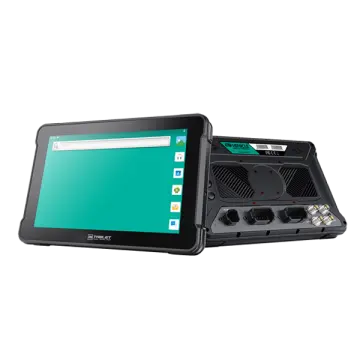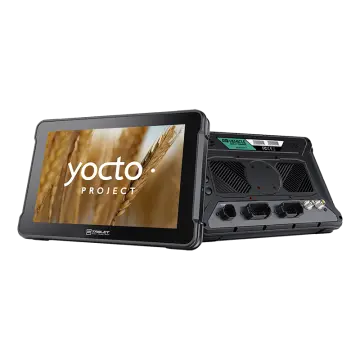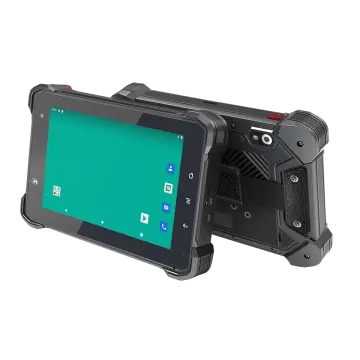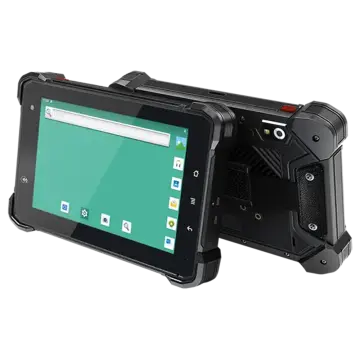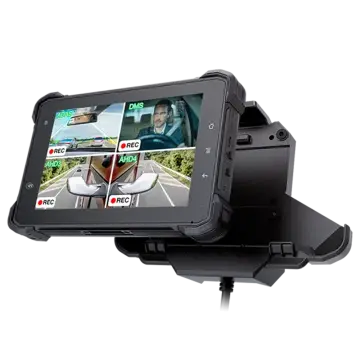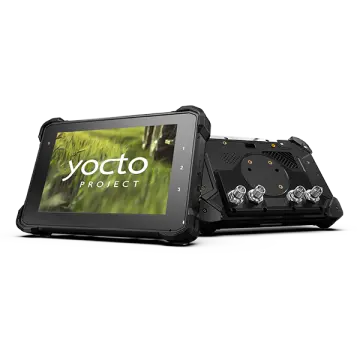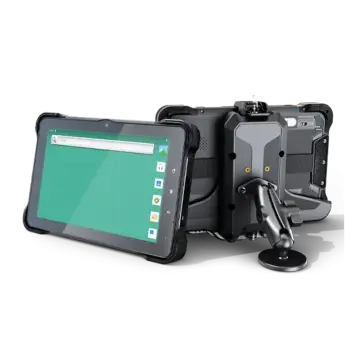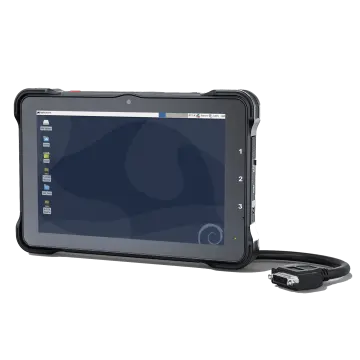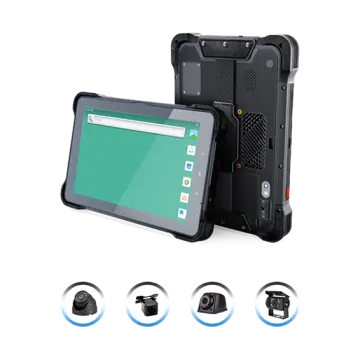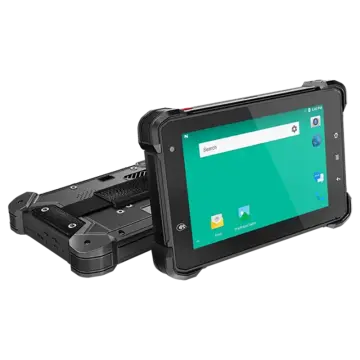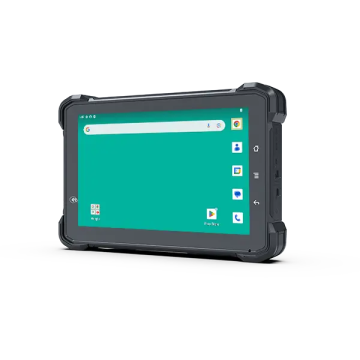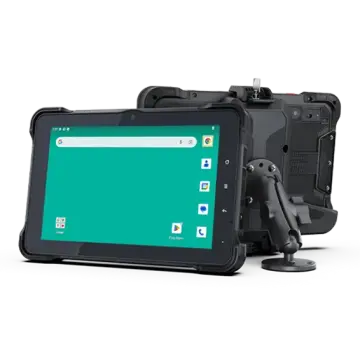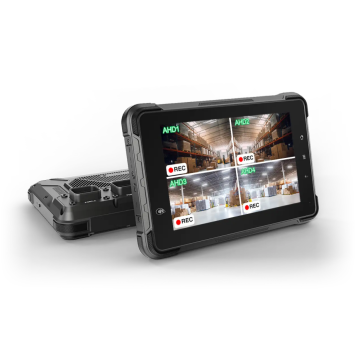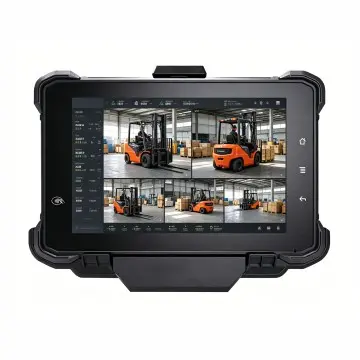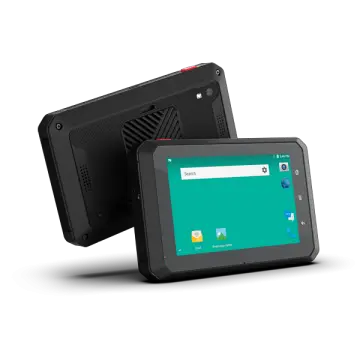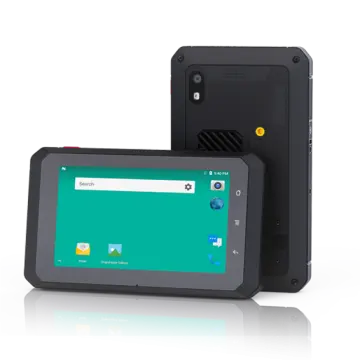
Deploy high-performance vehicle display terminals and rugged computers engineered for continuous, real-time data visualization during complex autonomous drive tests.
The autonomous driving sector has transitioned from theoretical laboratory simulations to massive real-world track validations. Whether testing Level 2+ Advanced Driver Assistance Systems (ADAS) or Level 4/5 fully driverless vehicles, engineers require robust, high-performance Human-Machine Interfaces (HMIs) inside testing cabs. This is where a tablet rugged Android for autonomous driving test becomes indispensable.
Unlike standard consumer tablets, rugged Android tablets are engineered to withstand the harsh environments of automotive testing. Real-world validation involves extreme cabin heat during static sun-soak tests, intense vibrations on test tracks, and the constant threat of dust and moisture ingress. A failure in the testing tablet means lost sensor data, delayed testing schedules, and increased research costs.
By leveraging the Android operating system, test engineers gain access to a highly flexible, open-source platform. This allows rapid deployment of custom diagnostics applications, real-time sensor visualization tools (e.g., displaying point clouds from LiDAR, radar feeds, and camera overlays), and immediate communication with the vehicle's central computing unit via CAN bus or Ethernet interfaces.
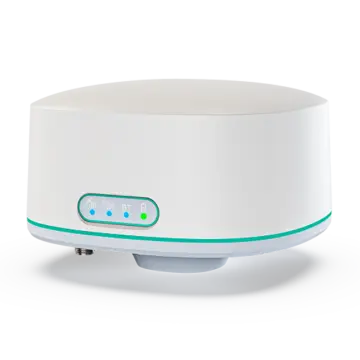
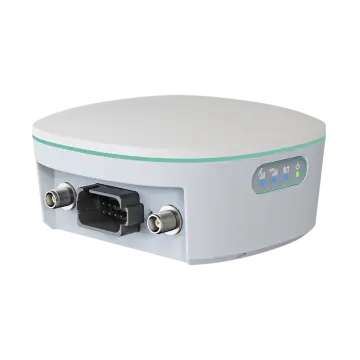
Autonomous testing demands centimeter-level positioning accuracy. Rugged tablets integrated with RTK receivers allow safety drivers to verify the vehicle's path planning against ground-truth GPS data in real-time.
Equipped with wide voltage inputs (9-36V) and ignition detection, these tablets power on and off safely with the vehicle, preventing data corruption during testing cycles.
The integration of rugged tablets in the autonomous vehicle development lifecycle is evolving rapidly. Below are the key applications and industrial trends shaping the market today.
During track testing, engineers use rugged tablets to run calibration routines for cameras, LiDAR, and radar. The tablet serves as the portable control terminal to adjust sensor parameters on the fly without needing a bulky laptop.
Safety operators rely on tablets to monitor critical vehicle health telemetry, such as CPU temperatures of the AD computing platform, battery levels in electric test vehicles, and network latency of V2X communications.
In Level 3 and 4 testing, safety drivers must remain alert. The rugged tablet acts as the primary feedback screen, prompting the driver when to take control, highlighting system status, and logging driver disengagement reasons.
As autonomous driving technology advances, rugged tablets are keeping pace by incorporating next-generation connectivity modules. The integration of 5G NR allows tablets to stream high-bandwidth test data directly to cloud servers for remote analysis, enabling off-site engineering teams to monitor test tracks in real-time. Furthermore, Wi-Fi 6 ensures fast data offloading when the test vehicle returns to the garage.
Another major trend is the implementation of Mobile Device Management (MDM) software. Autonomous test fleets are highly proprietary and contain sensitive intellectual property. MDM solutions allow fleet administrators to secure the tablets, push over-the-air (OTA) application updates, restrict unauthorized access, and remotely wipe data if a device is lost or compromised.
Technology-based, market-oriented, innovative enterprise that develops and manufactures rugged Internet of Vehicles (IOV) terminals and IOT system solutions. With more than 18 years of professional experience, 3Rtablet has cooperated with many top brand telematics solution providers around the world, and the products are widely recognized for their stable performance and professional technical support.
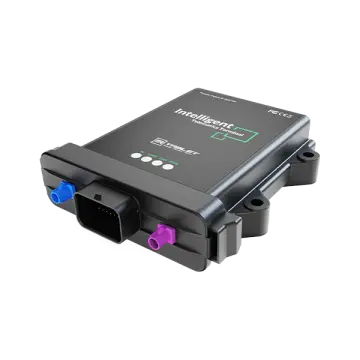
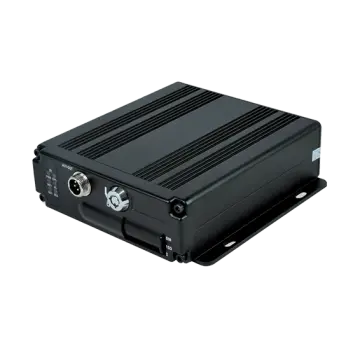
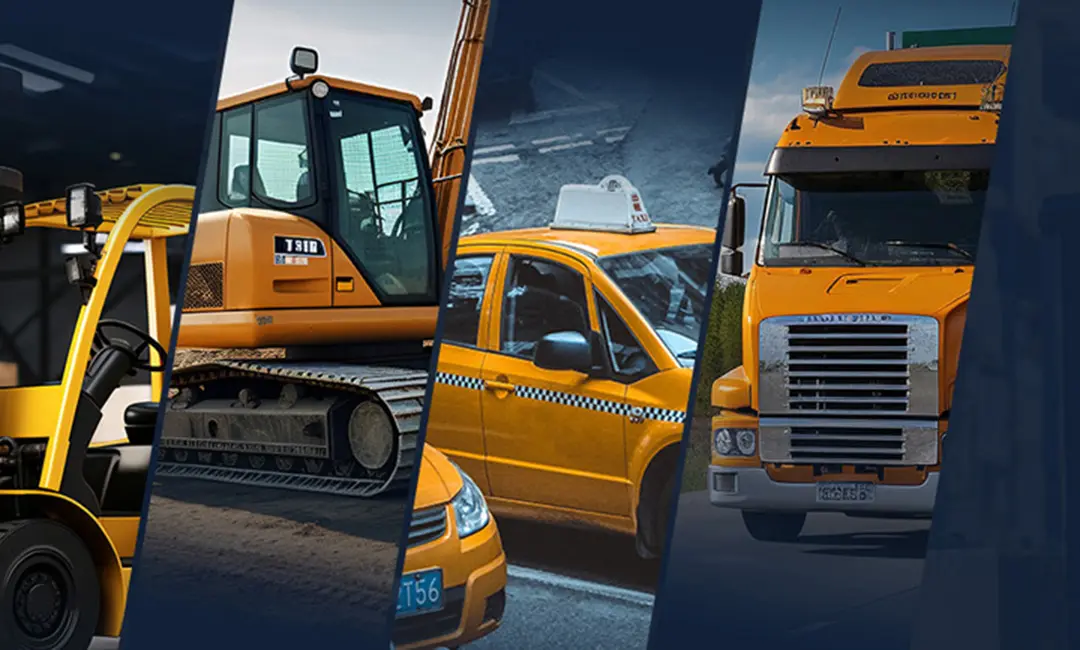
The main products include IP67 rugged tablets, MDM Rugged Device, Intelligent Vehicle Telematics Terminal, and RTK Base Station and Receiver, On-board Computers, Mobile Data Terminal, Agriculture display, Vehicle-mounted Tablets, AHD Camera Integrated Tablets, IP67/IP69K Android telematics boxes, MDVR and AI Dashcam. AI algorithmic vehicle video surveillance and recording technology and comprehensive IoT solutions for a wide range of fleet management application, including ELD/HOS in trucks, construction equipment, mining, forklift safety, taxi dispatch, agriculture precision, intelligent transportation systems, etc. Offering OEM/ODM services, we customize products to meet specific needs.
3Rtablet R&D team with more than 18 years field experience to do technical support, and has been ready to support you in building professional solutions in specific markets.
3Rtablet has served customers among more than 70 countries in the North America, Europe, Latin America, Oceania, Africa, and the Asia Pacific region.
Fleet Management, Precision Agriculture, Mining, Taxi Dispatch, Forklift Safety, Construction, Public Transportation, Heavy Machinery & Trucks, Crane, Waste management, Vehicle tracking’s and Emergency Response Solutions etc.
3Rtablet's Hardware devices are mainly powered by NXP, Qualcomm, TI solutions, Functional requirements, Hardware test-bed evaluation, Schematic diagram design, Brand requirements for more requirements, please refer to OEM/ODM service.
When selecting a rugged Android tablet for autonomous vehicle testing, engineers must evaluate specific hardware characteristics to ensure seamless integration. Standard hardware cannot cope with the continuous stress of test track operations.
Tablets used in autonomous tests must feature at least an IP67 rating, certifying complete protection against dust and temporary immersion in water. This is crucial for testing open-cab agricultural vehicles, mining machinery, or testing passenger cars with open windows in dusty environments. Furthermore, MIL-STD-810G/H certification ensures the tablet can withstand continuous high-amplitude vibrations and sudden shocks on off-road tracks.
Testing takes place under all weather conditions. Standard screens wash out under direct sunlight, causing eye strain and safety hazards for drivers. A minimum brightness of 800 nits to 1000 nits, combined with anti-glare coatings, guarantees that data remains legible even in bright desert testing grounds.
Autonomous test vehicles are packed with sensors. The tablet needs to interface with these systems via physical connections. Look for rugged tablets offering integrated ports such as RS232, RS485, CAN bus (supporting CAN 2.0B or CAN FD), and RJ45 Ethernet. This allows direct connection to the vehicle network and test computers without relying on fragile adapters.
No two autonomous testing projects are identical. 3Rtablet excels in providing tailored OEM/ODM modifications, ranging from customized mounting brackets and cable harnesses to custom Android ROM builds featuring pre-configured IP configurations and automatic boot-up routines upon receiving vehicle power.
3Rtablet follows innovative technologies, complete solutions, friendly products, excellent quality, and professional services to continuously improve product quality and customer satisfaction, delivering customers with Rugged, Reliable, and Ready Internet of Vehicle (IOV) devices. 3Rtablet has three core values at the heart of its operation: We are ‘Sincere’, we ‘Share’ and always strive for ‘Success’ with our business partners.
Explore our full range of rugged Android and Linux tablets optimized for autonomous vehicle testing, fleet management, and industrial automation.