1Commercial & Industrial Status of Autonomous Driving Testing
The autonomous driving sector has transitioned from theoretical laboratory simulations to massive, real-world fleet validation. Today, Level 2+ (ADAS) up to Level 5 (fully autonomous) vehicles undergo millions of miles of public road testing annually. This massive push requires a highly reliable Human-Machine Interface (HMI) inside the test vehicles. Safety drivers, test engineers, and remote operators rely on specialized hardware to monitor real-time vehicle telemetry, sensor state, and diagnostic codes. The 4g Rugged Android Tablet 4gb For Autonomous Driving Test has emerged as an essential tool in this ecosystem, providing the durability of industrial hardware with the flexible, open-source environment of Android OS.
Globally, regulatory bodies are mandating stricter safety compliance tests, forcing OEMs and Tier-1 suppliers to deploy comprehensive tracking and data collection systems. Rugged tablets act as the interactive control hub, connecting directly to the vehicle's CAN bus network, enabling engineers to initiate test sequences, calibrate LiDAR and radar units on the fly, and record subjective driver feedback during edge-case occurrences.
2The Technical Imperative: Why 4G Connectivity & 4GB RAM?
In autonomous driving validation, data latency and system stability are non-negotiable. Here is why the 4G LTE and 4GB RAM configuration represents the industry sweet spot:
-
Continuous Telemetry Stream (4G LTE): While 5G is expanding, 4G LTE remains the most reliable, ubiquitous wireless network for long-distance highway and rural testing. It ensures the tablet maintains a constant connection to the cloud backend for real-time GPS tracking, remote command overrides, and instant diagnostic uploads.
-
Balanced Edge Processing (4GB RAM): Running custom Android diagnostic applications, real-time mapping overlays, and sensor visualization feeds simultaneously demands efficient memory management. 4GB of RAM provides the perfect balance—offering enough headroom to run multi-threaded background telemetry processes without overheating or drawing excessive power from the vehicle's auxiliary system.
-
Android OS Versatility: The Android operating system allows developers to rapidly deploy custom APIs, integrate proprietary safety applications, and secure the device using Mobile Device Management (MDM) solutions.
"A reliable HMI is the bridge between the autonomous vehicle's compute stack and the human safety driver. Without a ruggedized, continuously connected terminal, real-world validation becomes a blind operation."
3Deep-Dive Application Scenarios in Autonomous Testing
The application of a 4G Rugged Android Tablet goes far beyond simple data display. Below are the primary deployment scenarios in modern autonomous vehicle programs:
A. Real-Time ADAS & Sensor Calibration
During test runs, sensors such as cameras, ultrasonic sensors, and radar arrays can drift out of alignment due to road vibrations. Test engineers use the rugged tablet mounted in the cabin to run calibration software, adjusting sensor angles and verifying alignment matrices without needing to return the vehicle to a specialized garage workshop.
B. High-Precision RTK Ground Truth Validation
Autonomous vehicles rely on centimeter-level positioning. By pairing the rugged tablet with an external RTK (Real-Time Kinematic) GNSS receiver, test teams can compare the vehicle's internal localization maps against the tablet's high-precision ground truth data, identifying mapping discrepancies in real time.
C. Safety Driver Interface & Critical Alert System
When an autonomous vehicle encounters an "edge case" it cannot resolve, the safety driver must take control. The rugged tablet serves as the primary visual display, showing the vehicle's planned path, confidence levels, and system health. If a system fault occurs, the tablet alerts the driver visually and audibly, ensuring a safe handoff of vehicle controls.
D. V2X (Vehicle-to-Everything) Communication Monitoring
Testing V2X technology requires verifying that the vehicle is correctly receiving signals from traffic lights, roadside units (RSUs), and other vehicles. The tablet displays these incoming V2X messages, allowing field engineers to confirm that latency and message integrity fall within safety limits.
4Future Trends: The Evolution of Rugged Vehicle Terminals
As autonomous systems advance toward Level 4 and Level 5 autonomy, the requirements for in-vehicle tablets will evolve. We anticipate a shift toward hybrid architectures combining Android's user-friendly interface with real-time operating systems (RTOS) like Linux for safety-critical tasks. Additionally, the integration of 5G RedCap (Reduced Capability) and advanced AI edge-inference chips directly into the tablet hardware will allow for local processing of camera feeds, reducing the dependency on cloud connectivity. Ruggedness standards will also tighten, requiring higher thermal resistance to withstand extreme cabin temperatures when vehicles are parked in direct sunlight during desert testing phases.

 AT-10A
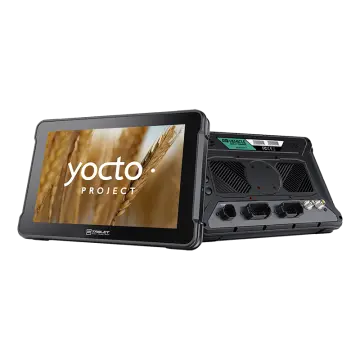 AT-10AL
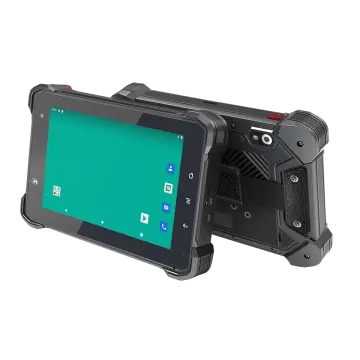 VT-7 GA/GE
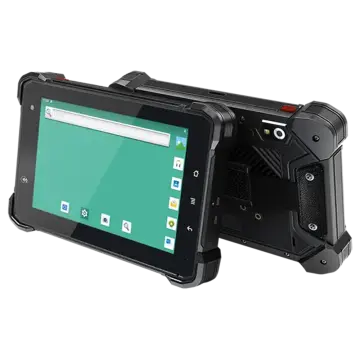 VT-7 Pro
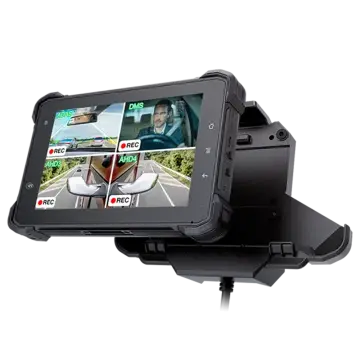 VT-7 PRO (AHD)
 VT-7A
VT-7A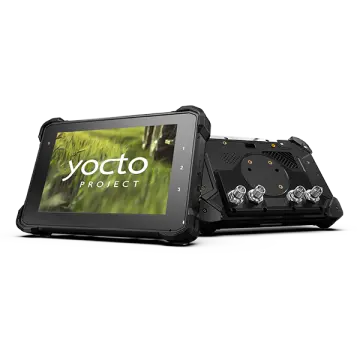 VT-7AL
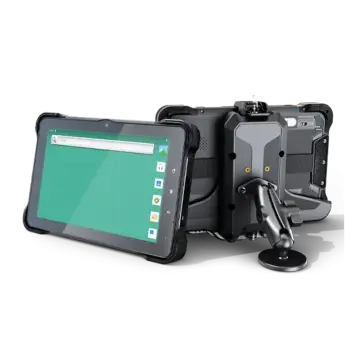 VT-10
VT-10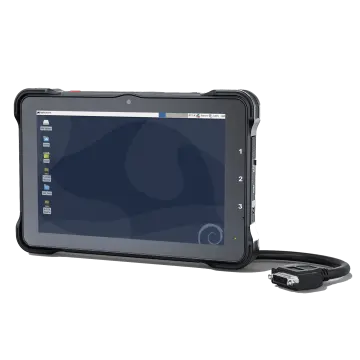 VT-10 IMX
 VT-10 Pro
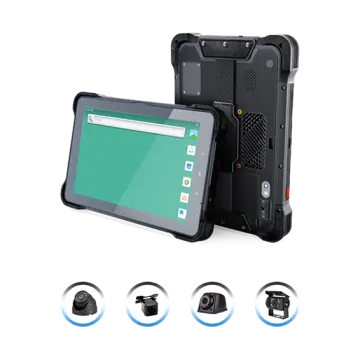 VT-10 Pro AHD
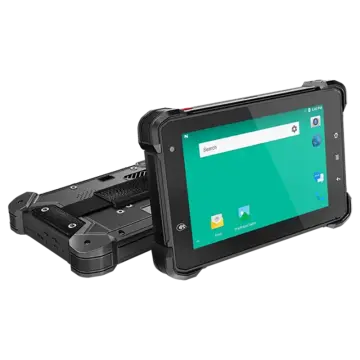 VT-7
VT-7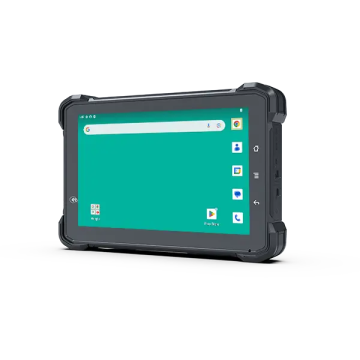 VT-7A PRO
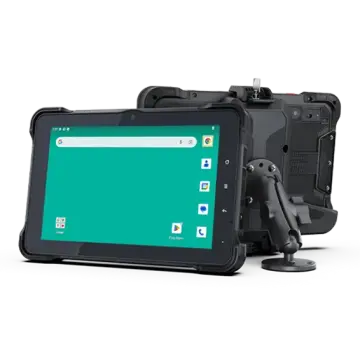 VT-10A Pro
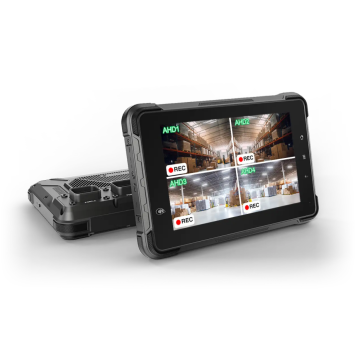 ST-7
ST-7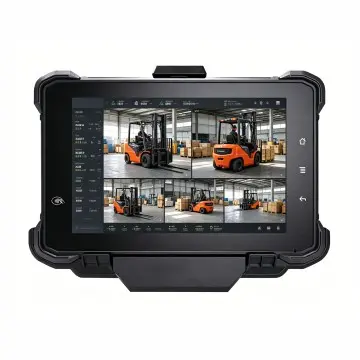 VT-7A PRO AHD
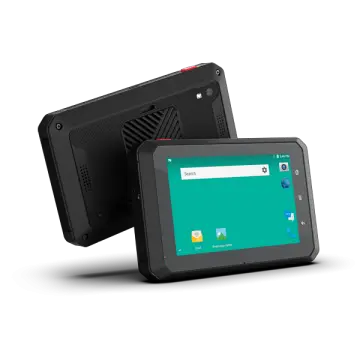 VT-5A
VT-5A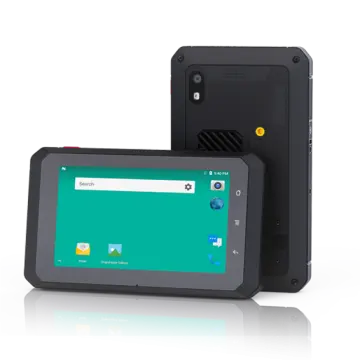 VT-5
VT-5 VT-BOX
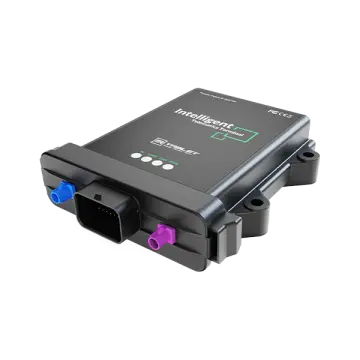 VT-BOX-II
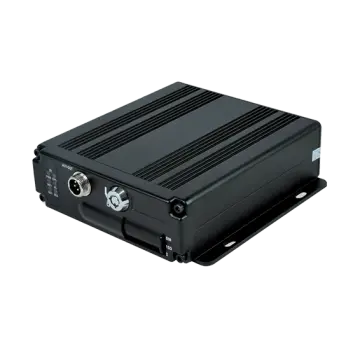 AI-MDVR040
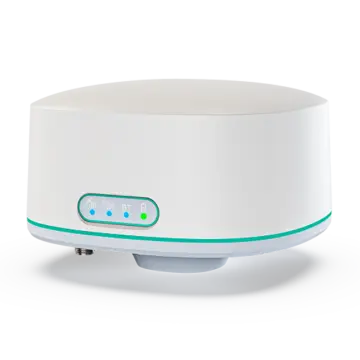 AT-B2
AT-B2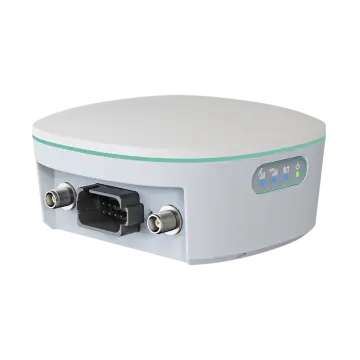 AT-R2
AT-R2