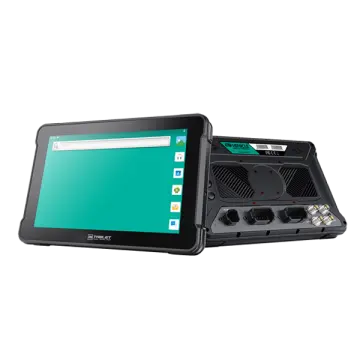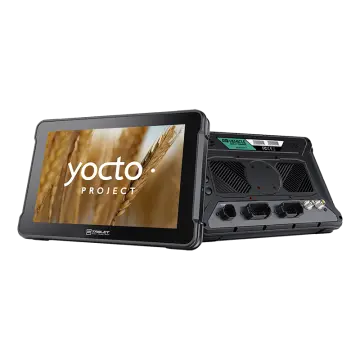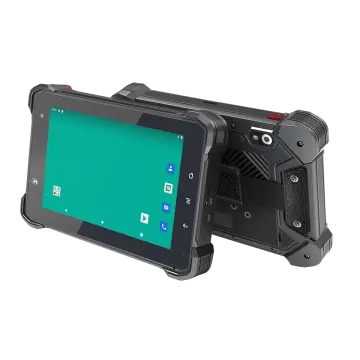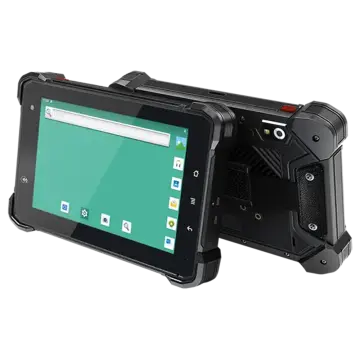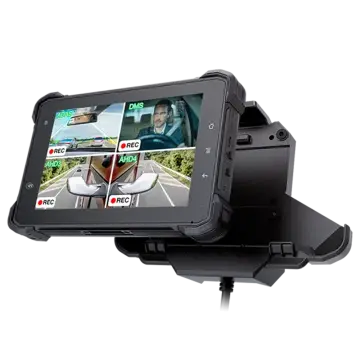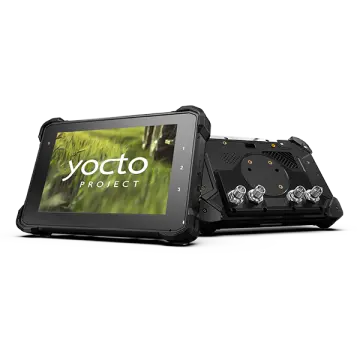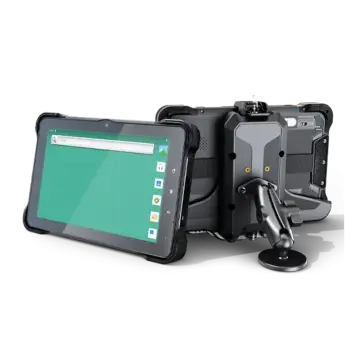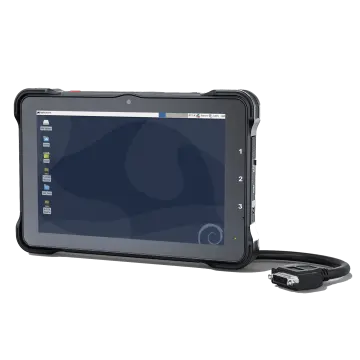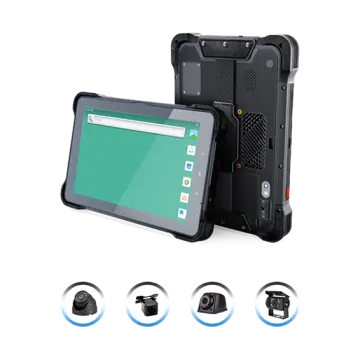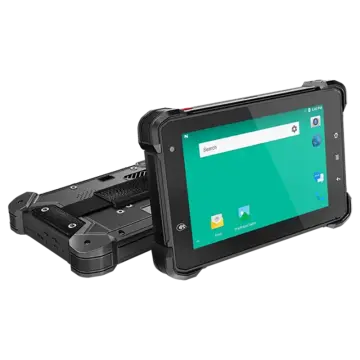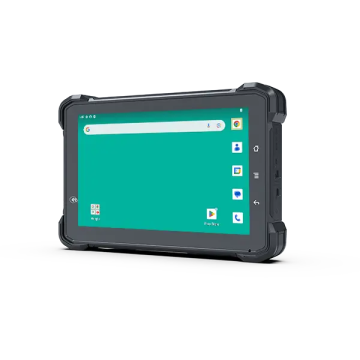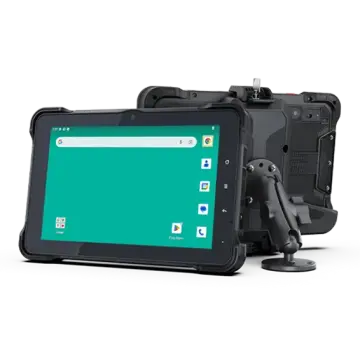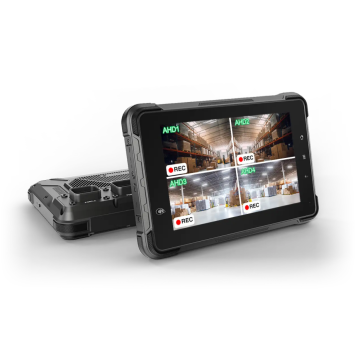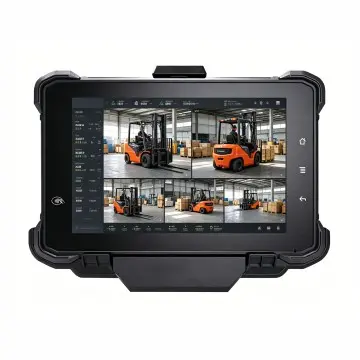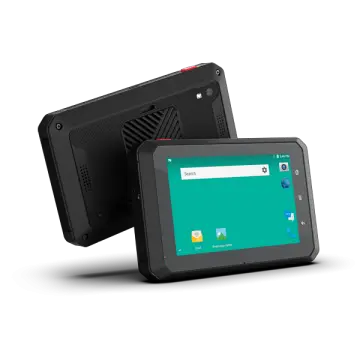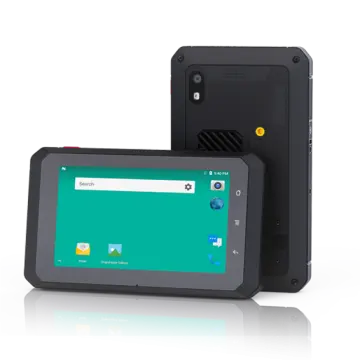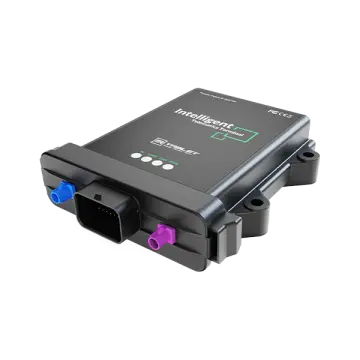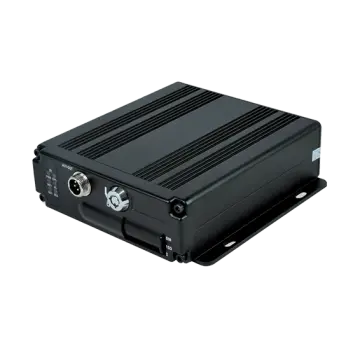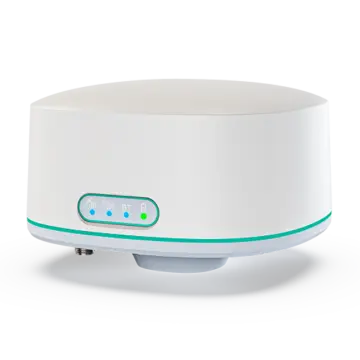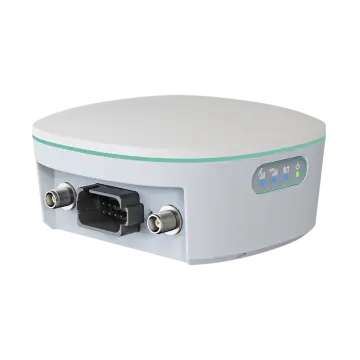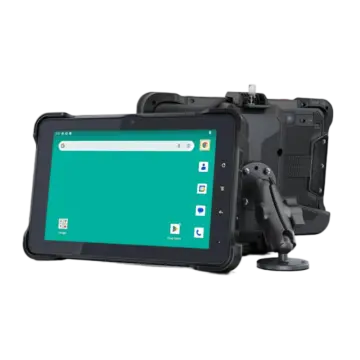
Explore our leading industrial Android terminals optimized for continuous taxi operations and real-time fleet communication.
For decades, public transportation and taxi industries relied on legacy analog radio channels and voice-based dispatch systems to coordinate passenger pickups. This traditional methodology was plagued by latency, signal interference, and a complete lack of visual navigation assistance. Today, the global taxi landscape has undergone a monumental paradigm shift. Driven by urban population growth, the rise of ride-hailing applications, and the demand for absolute operational transparency, taxi fleets are transitioning to intelligent, digitalized dispatch infrastructures.
At the heart of this digital transformation is the Industrial Android Tablet for Taxi Dispatching. Unlike consumer-grade smart devices, industrial tablets are built to withstand the rigors of the road while delivering uninterrupted connectivity, centimeter-level positioning accuracy, and seamless integration with complex fleet dispatching software. By acting as the central nervous system of the vehicle, these rugged devices allow fleet managers to streamline routes, monitor driver behavior, automate payments, and maximize daily revenue.
Equipped with advanced multi-core processors from Qualcomm, NXP, and TI, ensuring smooth multitasking between navigation, dispatching apps, and local fare calculations.
IP67/IP69K ingress protection ratings, coupled with MIL-STD-810G shock and vibration certification, guarantees continuous operation in harsh road environments.
Integrated 4G/5G LTE, dual-band Wi-Fi, Bluetooth, and high-precision GNSS/RTK modules keep the driver connected to dispatch offices and satellites at all times.
A comparative analysis of durability, integration capabilities, and lifecycle management.
Many fleet operators initially try to cut costs by deploying consumer iPads or standard Android tablets. However, within months, the failure rates of these devices skyrocket, leading to high maintenance overheads, lost driver productivity, and severe dispatch delays. Consumer devices are fundamentally not engineered for the thermal, electrical, and physical demands of commercial vehicles.
Vehicles parked under direct sunlight can reach internal dashboard temperatures exceeding 70°C (158°F). Consumer tablets quickly overheat and shut down to protect their batteries. Furthermore, vehicle ignition cycles generate massive voltage spikes (load dumps) that can fry standard electronics. Industrial tablets are designed with wide-temperature operation range (-20°C to 70°C) and feature ISO 7637-2 compliant power inputs that tolerate vehicle voltage fluctuations.
A taxi dispatch terminal must communicate with external peripherals such as taximeters, passenger display screens, POS payment terminals, and vehicle diagnostics ports. Consumer devices lack physical interfaces like RS232, RS485, CANBus, and GPIO. Industrial Android tablets are equipped with robust, secure M12 or DB9 connectors, allowing direct communication with the vehicle's internal computer system (OBD-II/J1939) and external hardware.
Consumer tablet models change every 12 to 18 months, making long-term hardware standardization impossible for large fleets. Industrial tablets offer guaranteed lifecycles of 5 to 7 years. Additionally, industrial manufacturers provide custom Android ROMs and Mobile Device Management (MDM) support, allowing fleet operators to lock down the operating system (Kiosk Mode), push OTA software updates, and prevent unauthorized app installations by drivers.
How industrial hardware optimizes every phase of passenger transportation and fleet management.
By utilizing high-precision GPS/GNSS receivers (and RTK modules for centimeter-level accuracy in dense urban canyons), the dispatch center always knows the exact location of every vehicle. When a passenger requests a ride, the dispatch software calculates the closest taxi using real-time traffic data, minimizing deadhead mileage (empty driving) and reducing passenger wait times. The tablet's high-brightness, anti-glare screen displays turn-by-turn navigation instructions clearly, even in direct sunlight.
Safety is paramount for public transport operators. Modern industrial Android tablets can integrate with AHD cameras and utilize edge AI algorithms to power Advanced Driver Assistance Systems (ADAS) and Driver Monitoring Systems (DMS). The system can detect driver fatigue (yawning, closed eyes), distractions (looking at mobile phones, smoking), and dangerous driving habits (rapid acceleration, harsh braking). Real-time audio-visual alerts are issued to the driver, and event videos are immediately uploaded to the cloud for fleet managers to review.
Modern taxi tablets act as complete point-of-sale (POS) systems. Through secure Bluetooth, NFC, or physical USB connections, the tablet integrates with EMV-compliant card readers, barcode scanners, and mobile wallets (Apple Pay, Google Pay). Certified by Google Mobile Services (GMS), these tablets provide a secure sandbox environment for payment applications, ensuring passenger credit card data is encrypted and transmitted securely over cellular networks.
Equipped with CANBus (Controller Area Network) interfaces, the rugged tablet communicates directly with the engine control unit (ECU). The tablet monitors fuel consumption, engine temperature, battery health, and emission levels. If the vehicle detects a fault code (DTC), the tablet alerts the driver and transmits the diagnostic data to the central maintenance depot. This prevents unexpected vehicle breakdowns and allows fleet managers to schedule preventive maintenance during off-peak hours.
The convergence of AI, 5G, and Electric Vehicles (EVs).
As the automotive industry undergoes a transition toward electrification and autonomous driving, taxi dispatch systems must evolve accordingly. Here are the key trends shaping the future of industrial in-vehicle tablets:
With global taxi fleets transitioning to EVs, dispatch tablets now need to monitor battery state-of-charge (SoC), estimate driving range, and communicate with charging station networks. The tablet can dynamically reroute a taxi to the nearest fast charger when battery levels drop, ensuring the driver is never stranded with a passenger.
The deployment of 5G networks allows for ultra-low latency communication between dispatch centers and taxis. This enables real-time high-definition video streaming from in-vehicle cameras, instant navigation adjustments based on traffic patterns, and collaborative edge computing where the tablet processes local sensor data rather than relying solely on cloud servers.
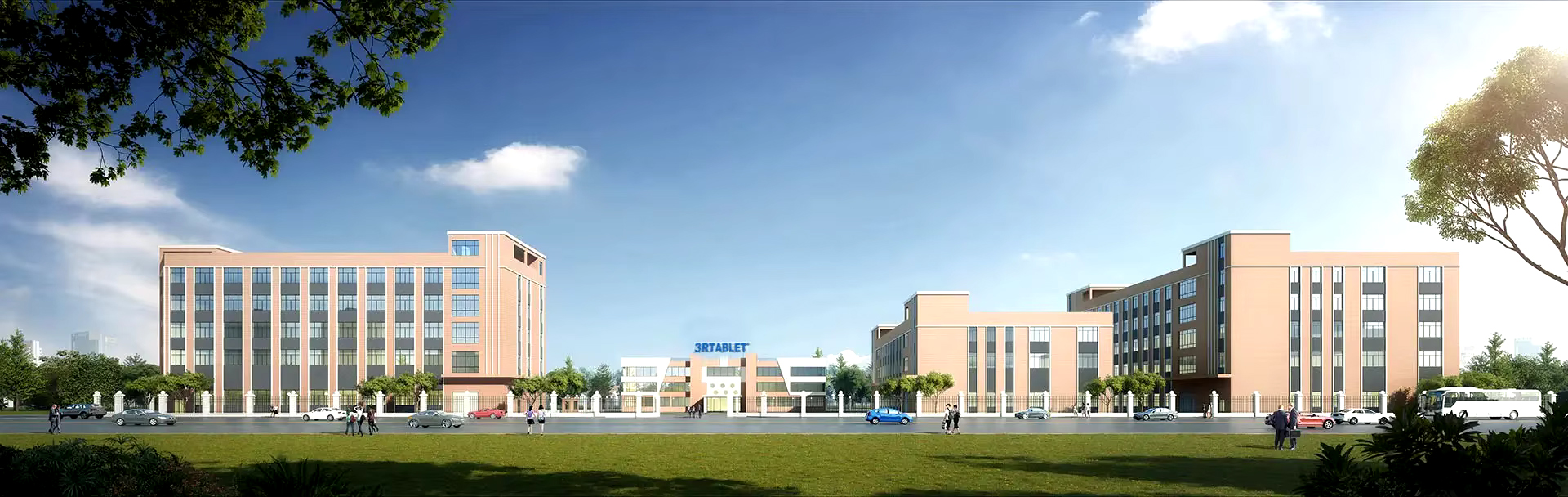
Technology-based, market-oriented, innovative enterprise that develops and manufactures rugged Internet of Vehicles (IOV) terminals and IOT system solutions. With more than 18 years of professional experience, 3Rtablet has cooperated with many top brand telematics solution providers around the world, and the products are widely recognized for their stable performance and professional technical support.
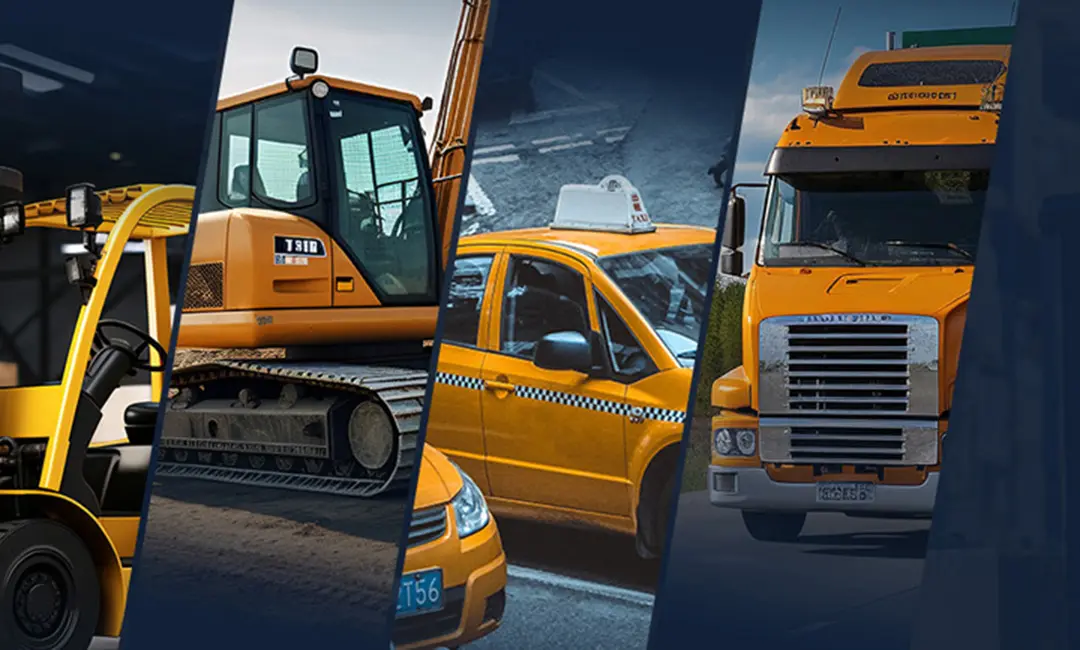
The main products include IP67 rugged tablets, MDM Rugged Device, Intelligent Vehicle Telematics Terminal, and RTK Base Station and Receiver, On-board Computers, Mobile Data Terminal, Agriculture display, Vehicle-mounted Tablets, AHD Camera Integrated Tablets, IP67/IP69K Android telematics boxes, MDVR and AI Dashcam. AI algorithmic vehicle video surveillance and recording technology and comprehensive IoT solutions for a wide range of fleet management application, including ELD/HOS in trucks, construction equipment, mining, forklift safety, taxi dispatch, agriculture precision, intelligent transportation systems, etc. Offering OEM/ODM services, we customize products to meet specific needs.
3Rtablet R&D team with more than 18 years field experience to do technical support, and has been ready to support you in building professional solutions in specific markets.

3Rtablet has served customers among more than 70 countries in North America, Europe, Latin America, Oceania, Africa, and the Asia Pacific region.

Fleet Management, Precision Agriculture, Mining, Taxi Dispatch, Forklift Safety, Construction, Public Transportation, Heavy Machinery & Trucks, Crane, Waste management, Vehicle tracking's and Emergency Response Solutions etc.

3Rtablet's Hardware devices are mainly powered by NXP, Qualcomm, TI solutions, Functional requirements, Hardware test-bed evaluation, Schematic diagram design, Brand requirements for more requirements, please refer to OEM/ODM service.
3Rtablet follows innovative technologies, complete solutions, friendly products, excellent quality, and professional services to continuously improve product quality and customer satisfaction, delivering customers with Rugged, Reliable, and Ready Internet of Vehicle (IOV) devices. 3Rtablet has three core values at the heart of its operation: We are 'Sincere', we 'Share' and always strive for 'Success' with our business partners.
Explore our full range of vehicle-mounted tablets designed for taxi dispatch, agriculture, and fleet management.