The Evolution of Industrial Android Tablets in Public Bus Transportation
Public bus transportation systems across the globe are undergoing a foundational digital metamorphosis. The transition from legacy, fragmented on-board hardware—such as standalone fareboxes, isolated LED destination signs, separate GPS tracking pucks, and proprietary two-way radio units—toward unified, open-architecture Tablet Industrial Android platforms represents one of the most critical leaps in modern Intelligent Transportation Systems (ITS).
Today's public transit ecosystem demands seamless real-time interoperability between municipal dispatch centers, on-vehicle peripherals, and cloud management servers. Modern electric buses (e-Buses), Bus Rapid Transit (BRT) networks, and municipal transit coaches operate in grueling conditions characterized by continuous engine vibration, wide temperature swings (-20°C to +70°C), unstable voltage inputs during engine cranking, and heavy daily usage by rotating drivers. Consumer-grade tablets and closed proprietary hardware fail rapidly under these operational stresses. Rugged industrial Android vehicle tablets solve these challenges by merging enterprise-grade durability with the flexible software ecosystem of Android.
Key Drivers Accelerating Industrial Android Tablet Adoption in Transit
OS
Open Ecosystem & Rapid App Deployment
Android provides transit authorities with the agility to deploy, update, and manage proprietary Computer-Aided Dispatch (CAD) and Automatic Vehicle Location (AVL) applications via centralized MDM (Mobile Device Management) systems without vendor lock-in.
IO
Rich Automotive Interfaces (CAN/GPIO/RS485)
Unlike commercial mobile devices, industrial bus tablets feature integrated CANBus (SAE J1939 / OBD-II), RS232, RS485, and isolated GPIO lines to communicate directly with bus ECUs, fare validators, and passenger counters.
AI
Edge-AI Vision & Multi-Camera Ingestion
Equipped with powerful NPU-enabled Qualcomm or NXP processors, industrial Android tablets process up to 4-channel AHD video streams simultaneously for ADAS collision warnings, Driver Monitoring Systems (DMS), and blind-spot detection.
Deep-Dive Application Scenarios in Public Bus Fleet Operations
Modern industrial vehicle tablets function as the central brain of the modern bus cockpit. Below is an exhaustive breakdown of how rugged Android tablets are deployed across distinct public transportation subsystems:
1. Computer-Aided Dispatch (CAD) & Automatic Vehicle Location (AVL)
Public bus efficiency depends on strict adherence to headways and schedules. High-precision GNSS positioning modules (integrating GPS, GLONASS, Galileo, BeiDou, and optional RTK dead reckoning) embedded inside the industrial Android tablet transmit real-time vehicle coordinates to municipal command centers over 4G/5G LTE cellular links. Drivers receive turn-by-turn route guidance, early/late schedule adherence alerts, detour notifications, and emergency broadcast messages directly on high-brightness, sunlight-readable 7-inch to 10.1-inch touchscreens.
2. Automated Fare Collection (AFC) & Ticket Validation Integration
Industrial Android tablets interface with contactless EMV card readers, NFC validation sensors, and QR-code scanners. By centralizing fare transactions on a secure Android operating system running enterprise kiosk modes, transit operators can process transit smart cards, open-loop credit cards, and mobile QR barcodes while ensuring end-to-end data encryption and rapid passenger boarding.
3. Intelligent AI Video Surveillance, ADAS & DMS Safety Management
Safety is the primary mandate for public transit agencies. Industrial Android tablets with dedicated multi-channel AHD (Analog High Definition) inputs eliminate the need for separate bulky MDVR units. Four high-resolution cameras placed around the bus capture:
-
Forward-Facing ADAS Camera: Forward collision warning (FCW), lane departure warning (LDW), and pedestrian collision warning (PCW).
-
Cabin Driver Monitoring System (DMS): Real-time detection of driver fatigue, distraction, mobile phone usage, and smoking.
-
Step-Well & Passenger Door Surveillance: Monitoring passenger ingress/egress to prevent door-trap accidents.
-
Blind-Spot Detection (BSD): Exterior side-mounted cameras warning the operator of cyclists or pedestrians when turning.
4. Automatic Passenger Counting (APC) & Occupancy Optimization
Overcrowding and route mismanagement are mitigated through overhead stereoscopic or 3D ToF (Time-of-Flight) passenger counting sensors connected via RS485 or Ethernet to the Android tablet. The tablet tallies boardings and alightings at each geofenced bus stop, calculates real-time seat availability, and relays load factors to backend dispatchers and public transit passenger apps.
5. CANBus Vehicle Diagnostics & Predictive Maintenance (e-Bus & Diesel)
By connecting directly to the vehicle's powertrain via J1939, J1708, or ISO 11898 CAN protocols, the rugged Android tablet continuously audits critical parameters including engine RPM, coolant temperature, fuel rate, brake system pressure, and diagnostic trouble codes (DTCs). In electric bus (e-Bus) fleets, the tablet monitors battery state-of-charge (SoC), thermal runaway flags, and regenerative braking efficiency, enabling predictive maintenance schedules that prevent costly in-service breakdowns.

 AT-10A
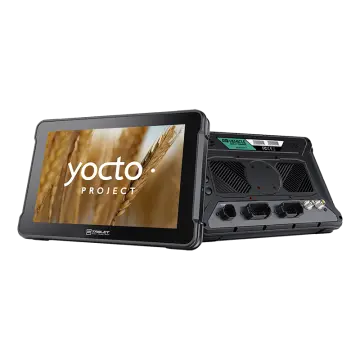 AT-10AL
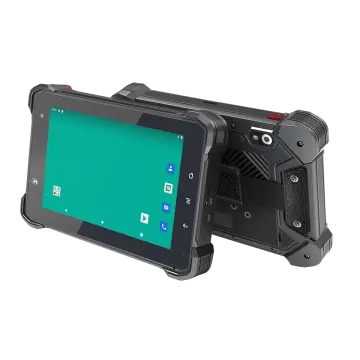 VT-7 GA/GE
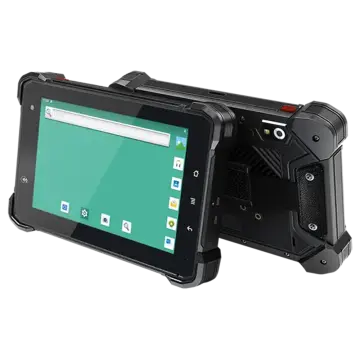 VT-7 Pro
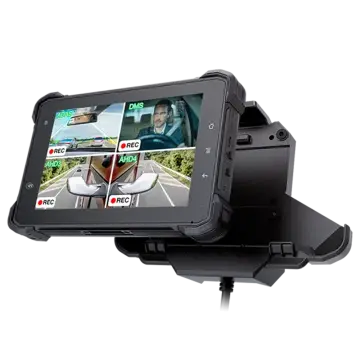 VT-7 PRO (AHD)
 VT-7A
VT-7A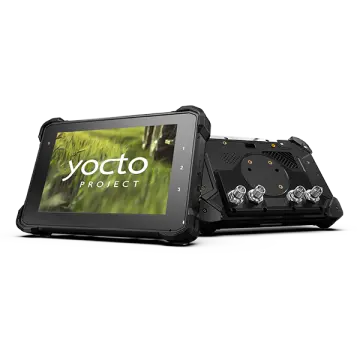 VT-7AL
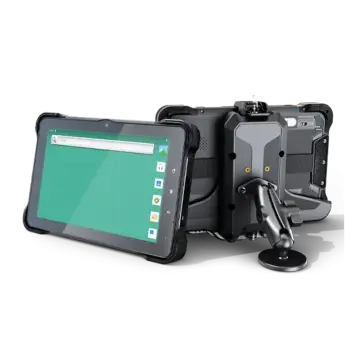 VT-10
VT-10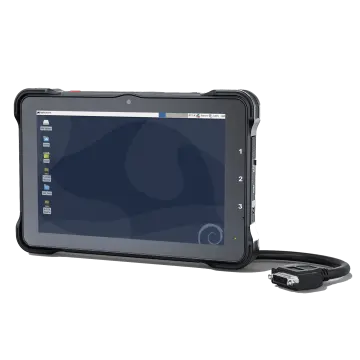 VT-10 IMX
 VT-10 Pro
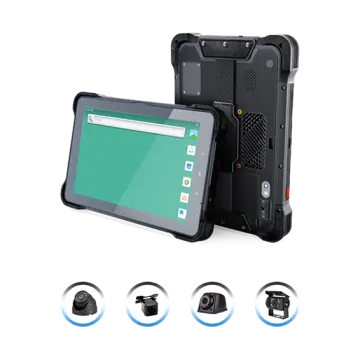 VT-10 Pro AHD
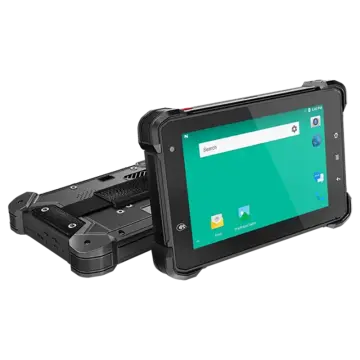 VT-7
VT-7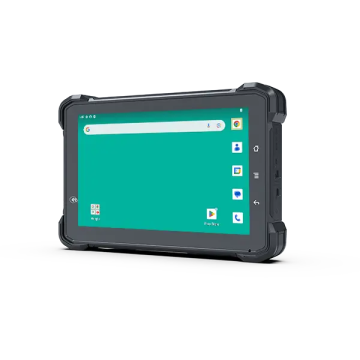 VT-7A PRO
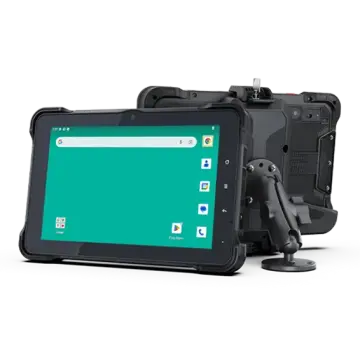 VT-10A Pro
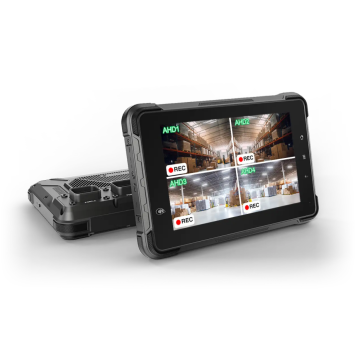 ST-7
ST-7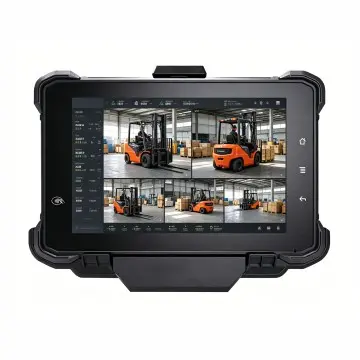 VT-7A PRO AHD
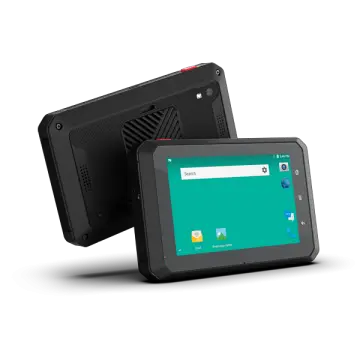 VT-5A
VT-5A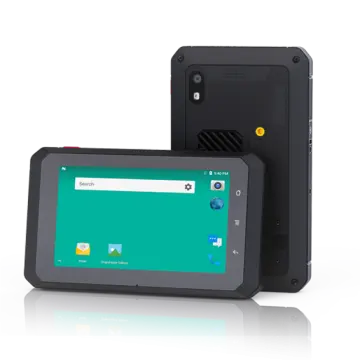 VT-5
VT-5 VT-BOX
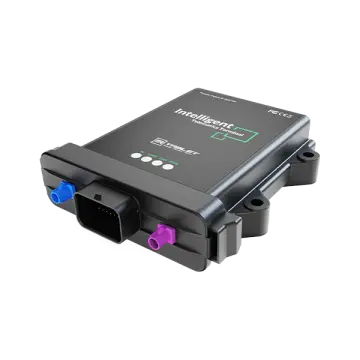 VT-BOX-II
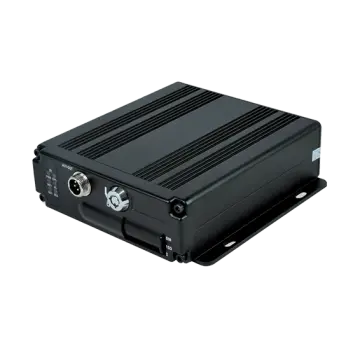 AI-MDVR040
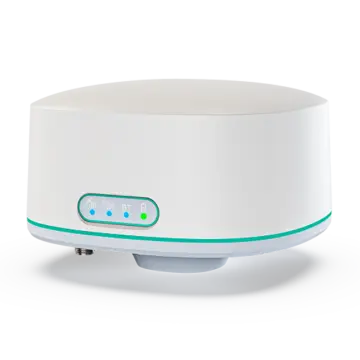 AT-B2
AT-B2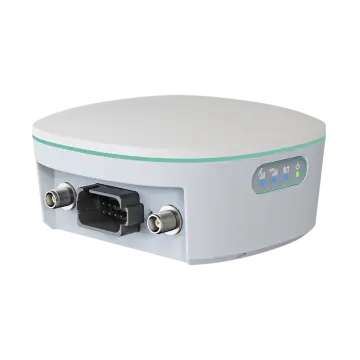 AT-R2
AT-R2