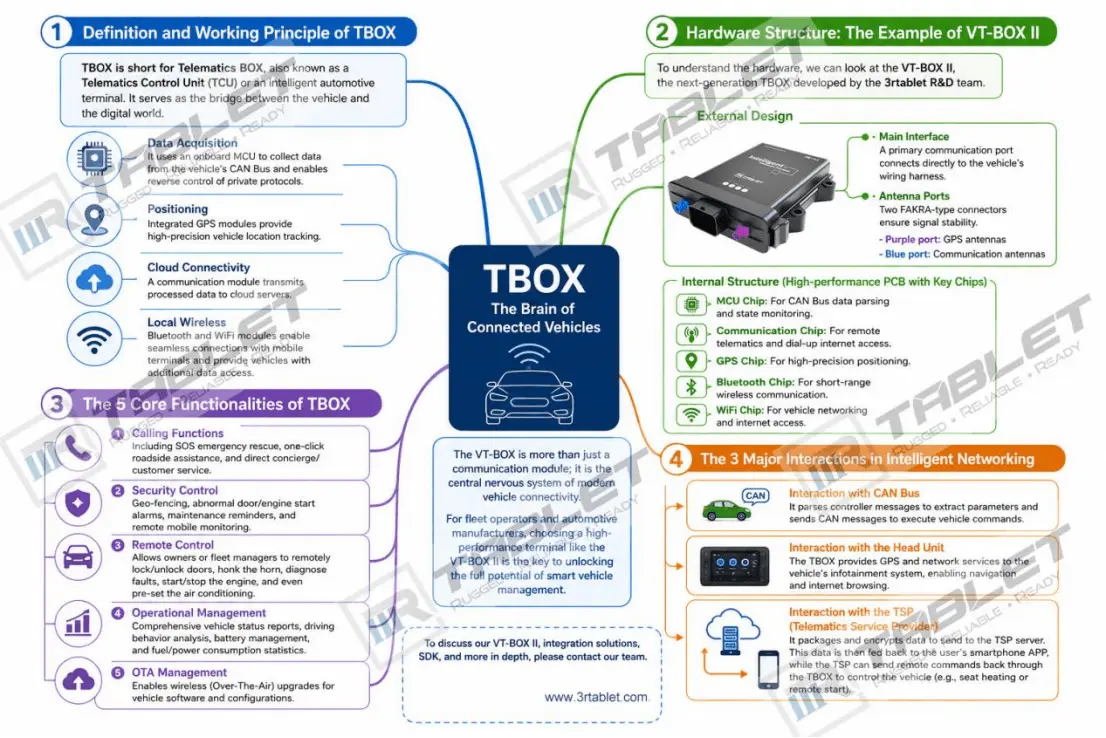
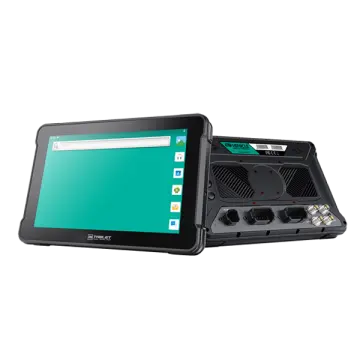
 AT-10A
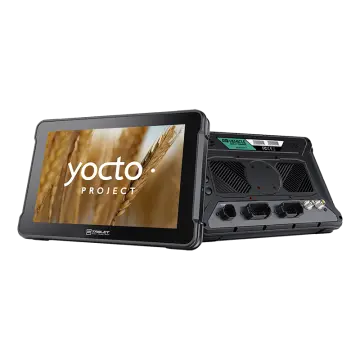 AT-10AL
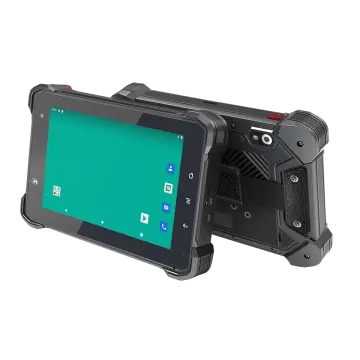 VT-7 GA/GE
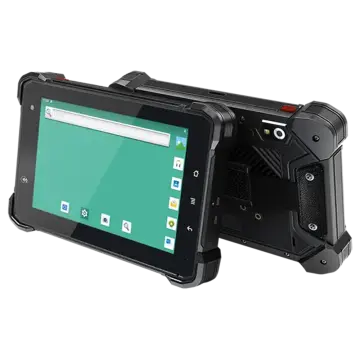 VT-7 Pro
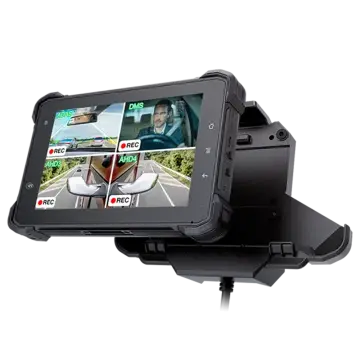 VT-7 PRO (AHD)
 VT-7A
VT-7A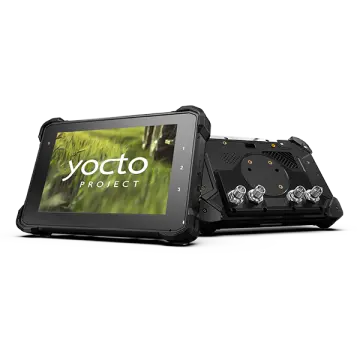 VT-7AL
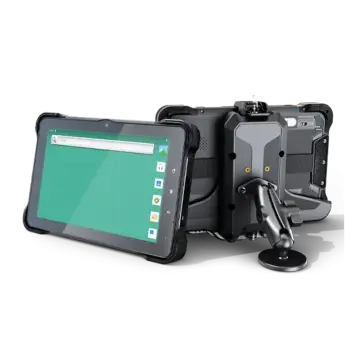 VT-10
VT-10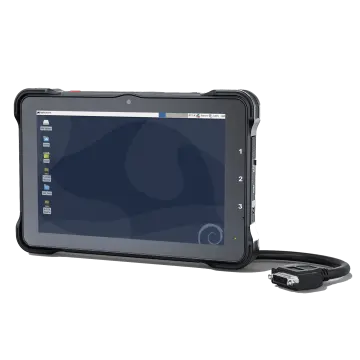 VT-10 IMX
 VT-10 Pro
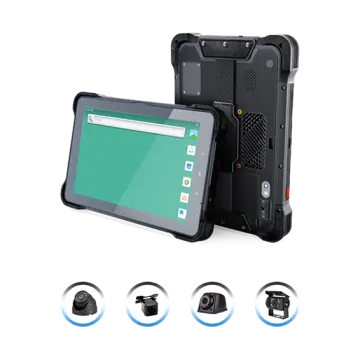 VT-10 Pro AHD
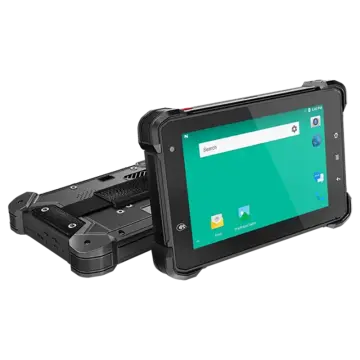 VT-7
VT-7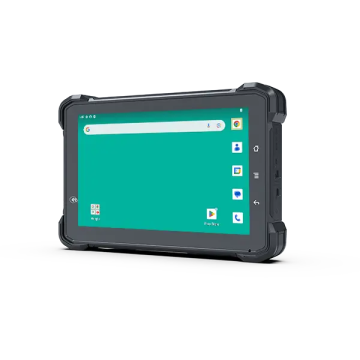 VT-7A PRO
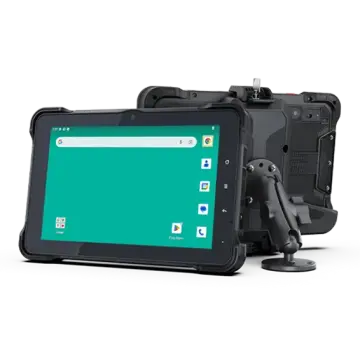 VT-10A Pro
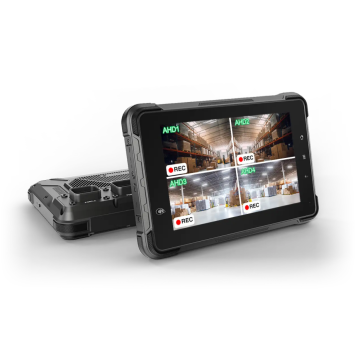 ST-7
ST-7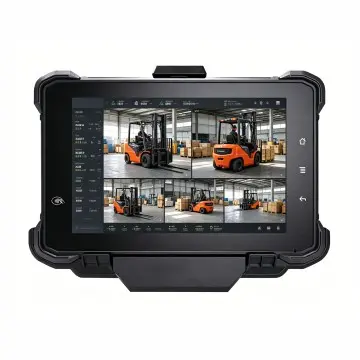 VT-7A PRO AHD
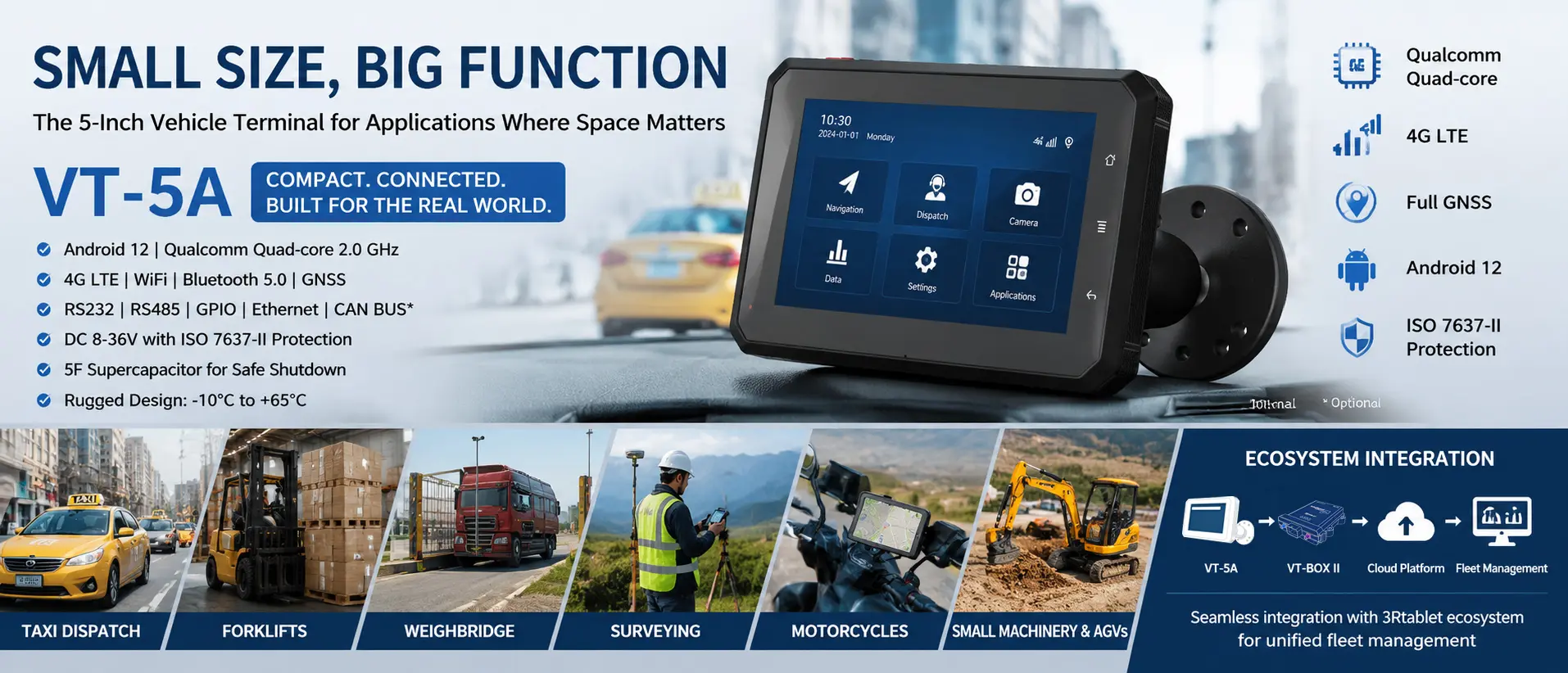
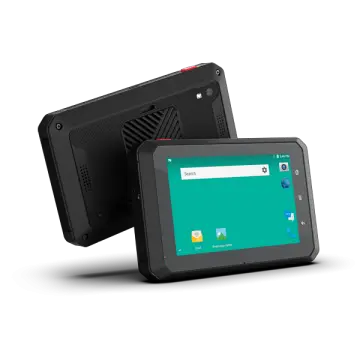 VT-5A
VT-5A VT-5
VT-5 VT-BOX
 VT-BOX-II
 AI-MDVR040
 AT-B2
AT-B2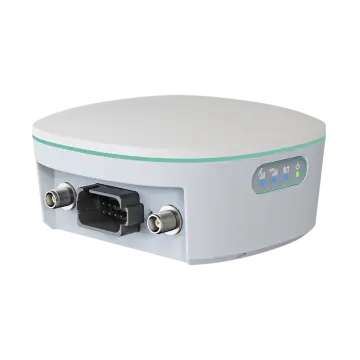 AT-R2
AT-R2
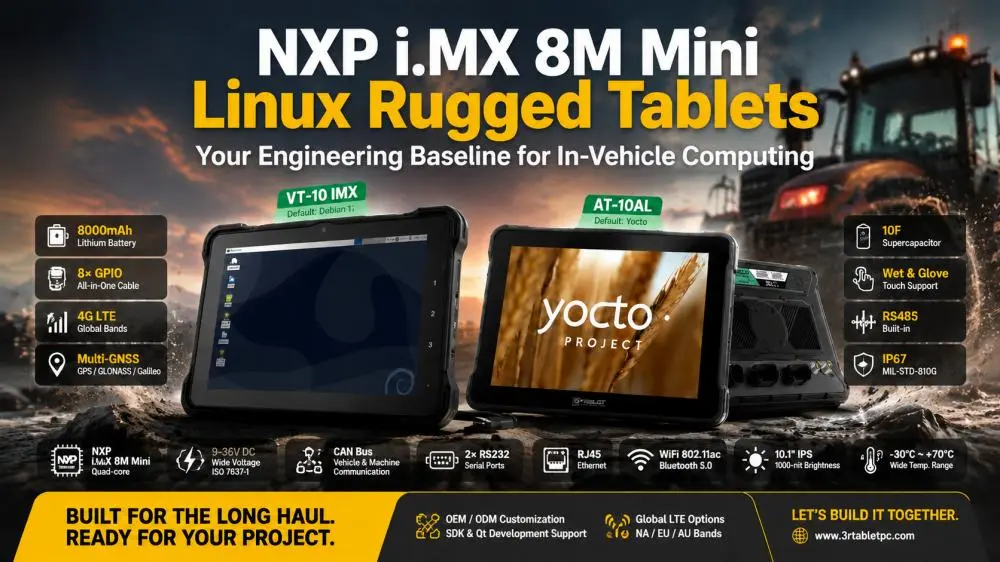
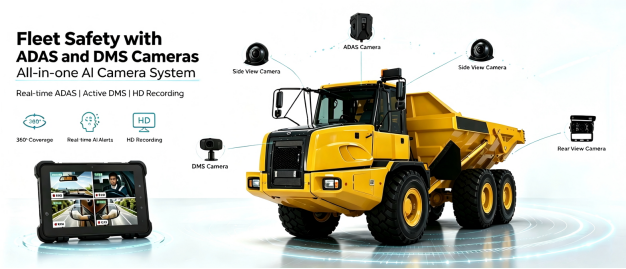
What is TBOX? A Deep Dive into the Brain of Connected Vehicles
I. Definition and Working Principle of TBOX
TBOX is short for Telematics BOX, also known as a Telematics Control Unit (TCU) or an intelligent automotive terminal. It serves as the bridge between the vehicle and the digital world.
The working principle of a TBOX is highly sophisticated:
- Data Acquisition:It uses an onboard Microcontroller Unit (MCU) to collect data from the vehicle’s CAN Bus and enables reverse control of private protocols.
- Positioning: Integrated GPS modules provide high-precision vehicle location tracking.
- Cloud Connectivity:A communication module transmits processed data to cloud servers.
- Local Wireless: Bluetooth and WiFi modules enable seamless connections with mobile terminals and provide vehicles with additional data access.
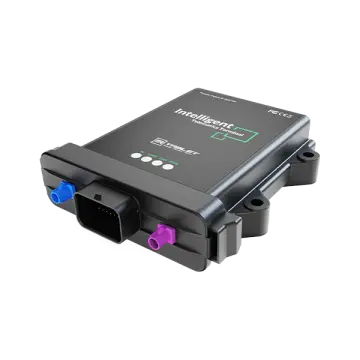
II. Hardware Structure: The Example of VT-BOX II
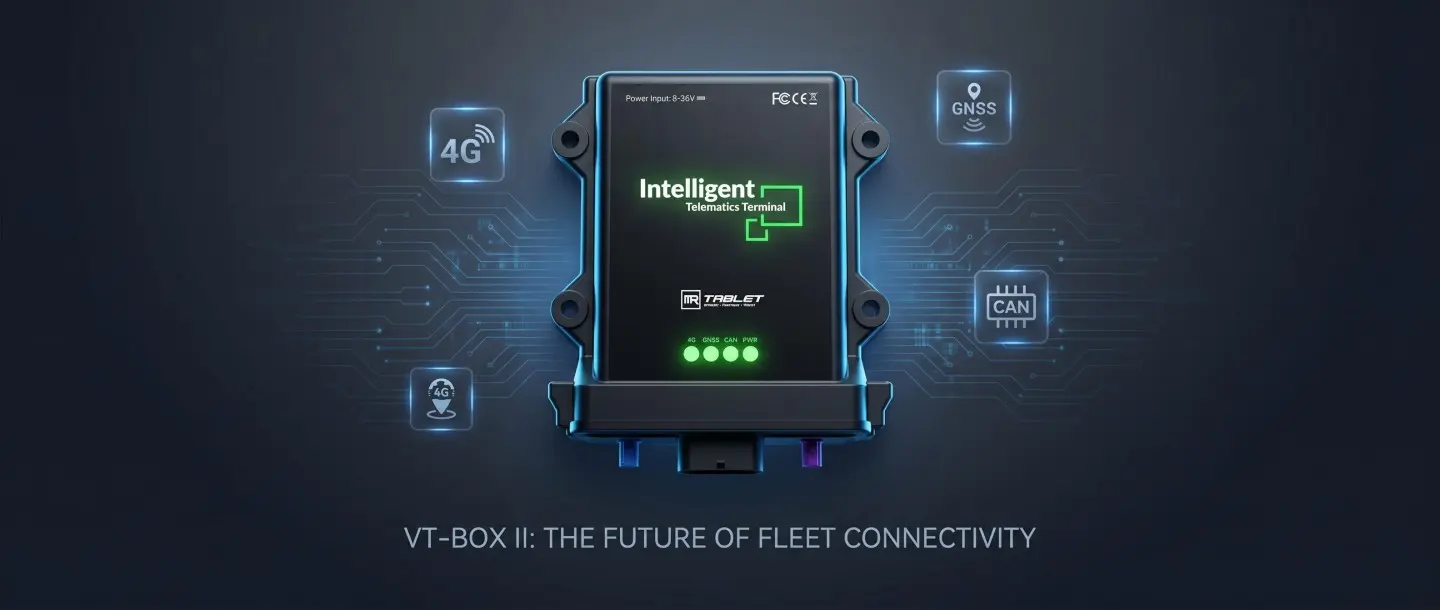
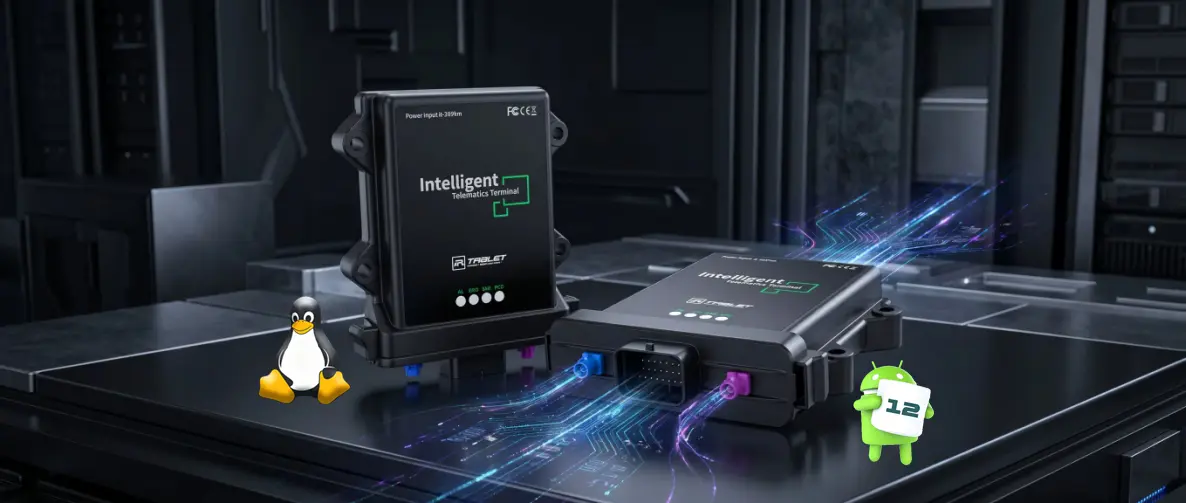
To understand the hardware, we can look at the VT-BOX II, the next-generation TBOX developed by the 3rTablet R&D team.
The VT-BOX II features a robust external design:
- Main Interface:A primary communication port connects directly to the vehicle's wiring harness.
- Antenna Ports: Two FAKRA-type connectors ensure signal stability—the Purple port for GPS antennas and the Blue port for communication antennas.
Internally, the VT-BOX is centered around a high-performance PCB integrated with critical chips:
- MCU Chip:For CAN Bus data parsing and state monitoring.
- Communication Chip:For remote telematics and dial-up internet access.
- GPS, Bluetooth, and WiFi Chips:Powering positioning, wireless communication, and vehicle networking respectively.
III. The 5 Core Functionalities of TBOX
Generally, the functions of a terminal like the VT-BOX II are categorized into five key areas:
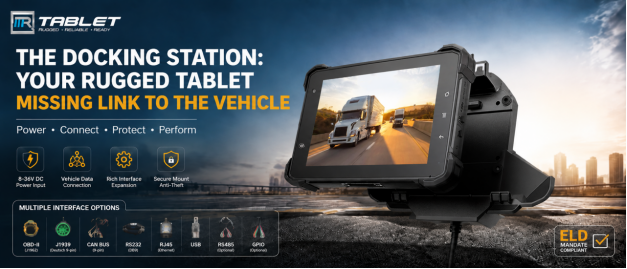
1.Calling Functions: Including SOS emergency rescue, one-click roadside assistance, and direct concierge/customer service.
2.Security Control: Geo-fencing, abnormal door/engine start alarms, maintenance reminders, and remote mobile monitoring.
3.Remote Control: This allows owners or fleet managers to remotely lock/unlock doors, honk the horn, diagnose faults, start/stop the engine, and even pre-set the air conditioning.
4.Operational Management: Comprehensive vehicle status reports, driving behavior analysis, battery management, and fuel/power consumption statistics.
5.OTA Management: Enables wireless (Over-The-Air) upgrades for vehicle software and configurations.
VI. The 3 Major Interactions in Intelligent Networking
As a cornerstone of intelligent vehicle systems, the VT-BOX facilitates three vital interactions:
- Interaction with CAN Bus: It parses controller messages to extract parameters and sends CAN messages to execute vehicle commands.
- Interaction with the Head Unit: The TBOX provides GPS and network services to the vehicle’s infotainment system, enabling navigation and internet browsing.
- Interaction with the TSP (Telematics Service Provider):It packages and encrypts data to send to the TSP server. This data is then fed back to the user's smartphone APP, while the TSP can send remote commands back through the TBOX to control the vehicle (e.g., seat heating or remote start).
Summary