
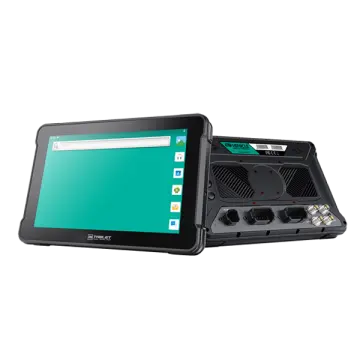
 AT-10A
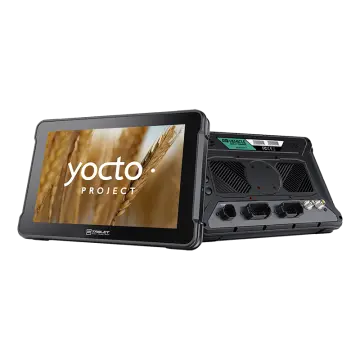 AT-10AL
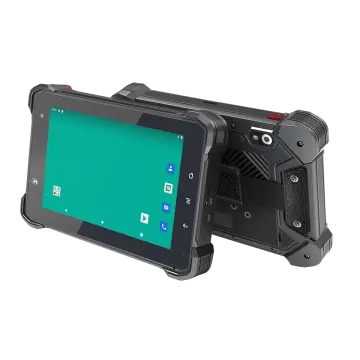 VT-7 GA/GE
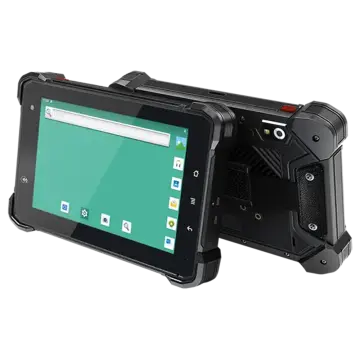 VT-7 Pro
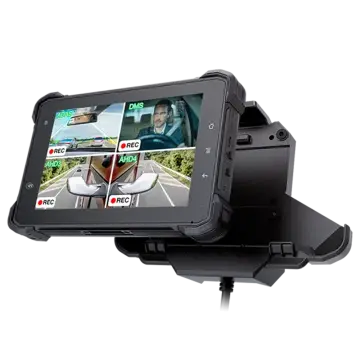 VT-7 PRO (AHD)
 VT-7A
VT-7A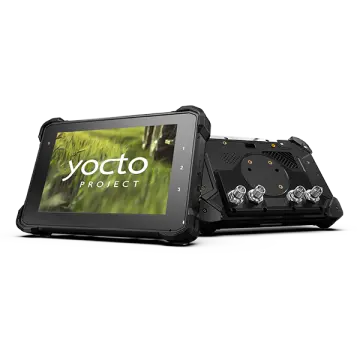 VT-7AL
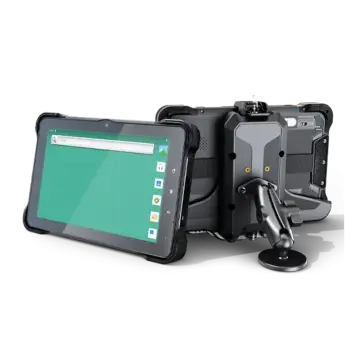 VT-10
VT-10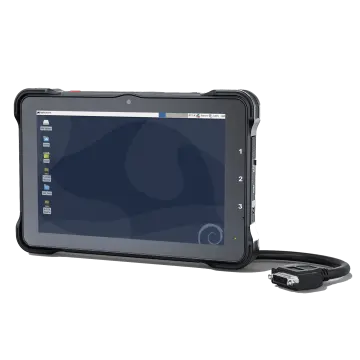 VT-10 IMX
 VT-10 Pro
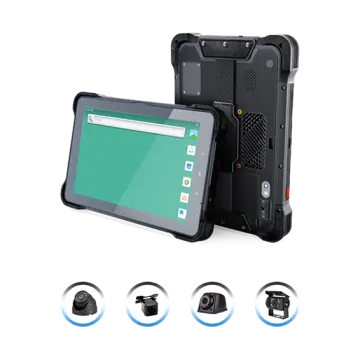 VT-10 Pro AHD
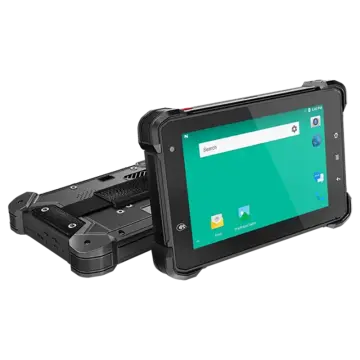 VT-7
VT-7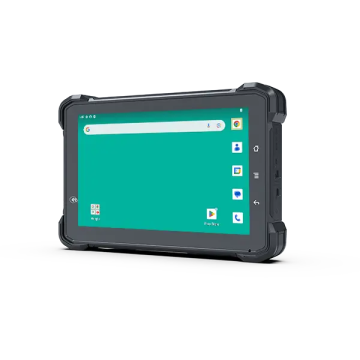 VT-7A PRO
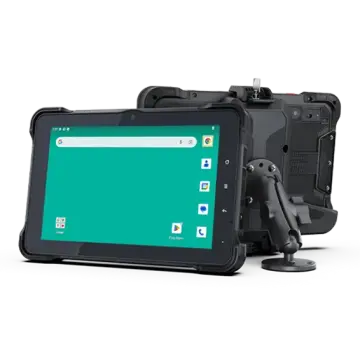 VT-10A Pro
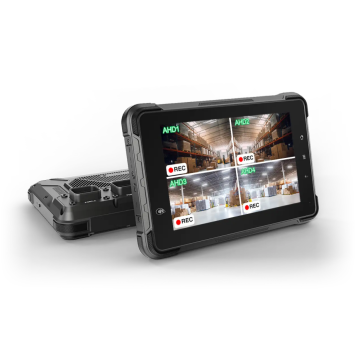 ST-7
ST-7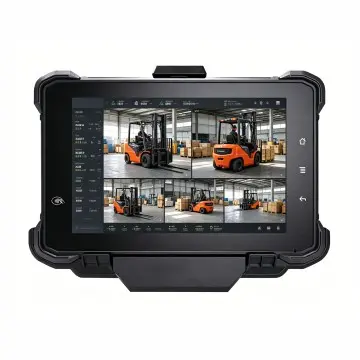 VT-7A PRO AHD
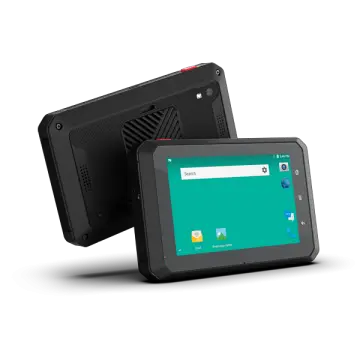 VT-5A
VT-5A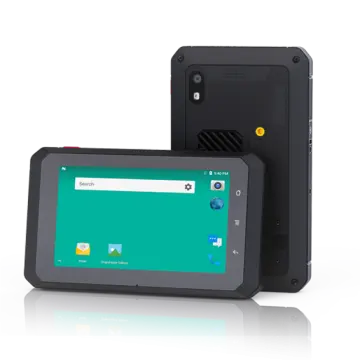 VT-5
VT-5 VT-BOX
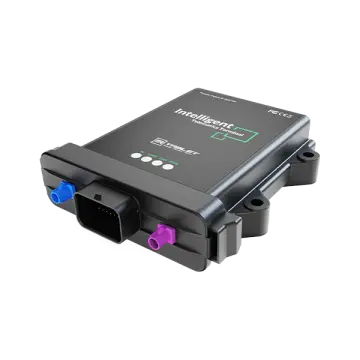 VT-BOX-II
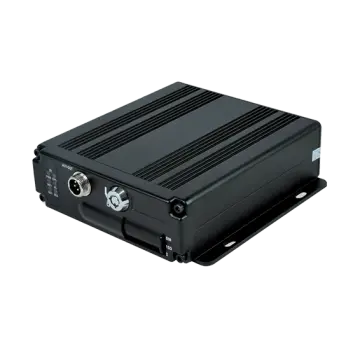 AI-MDVR040
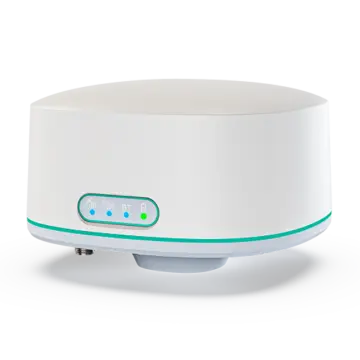 AT-B2
AT-B2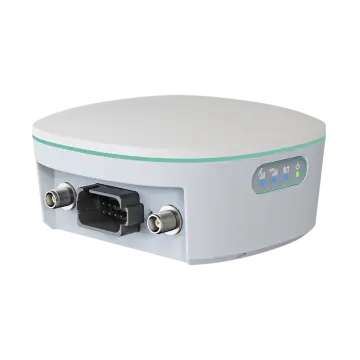 AT-R2
AT-R2
High-Brightness Tablets vs. Standard Tablets: Why Display Visibility Matters in Outdoor Operations
Introduction
As industries continue to embrace digital transformation, Tablets have become essential tools for fleet management, logistics, agriculture, construction, mining, and public transportation. These devices are increasingly used for navigation, dispatching, data collection, vehicle diagnostics, and real-time communication.
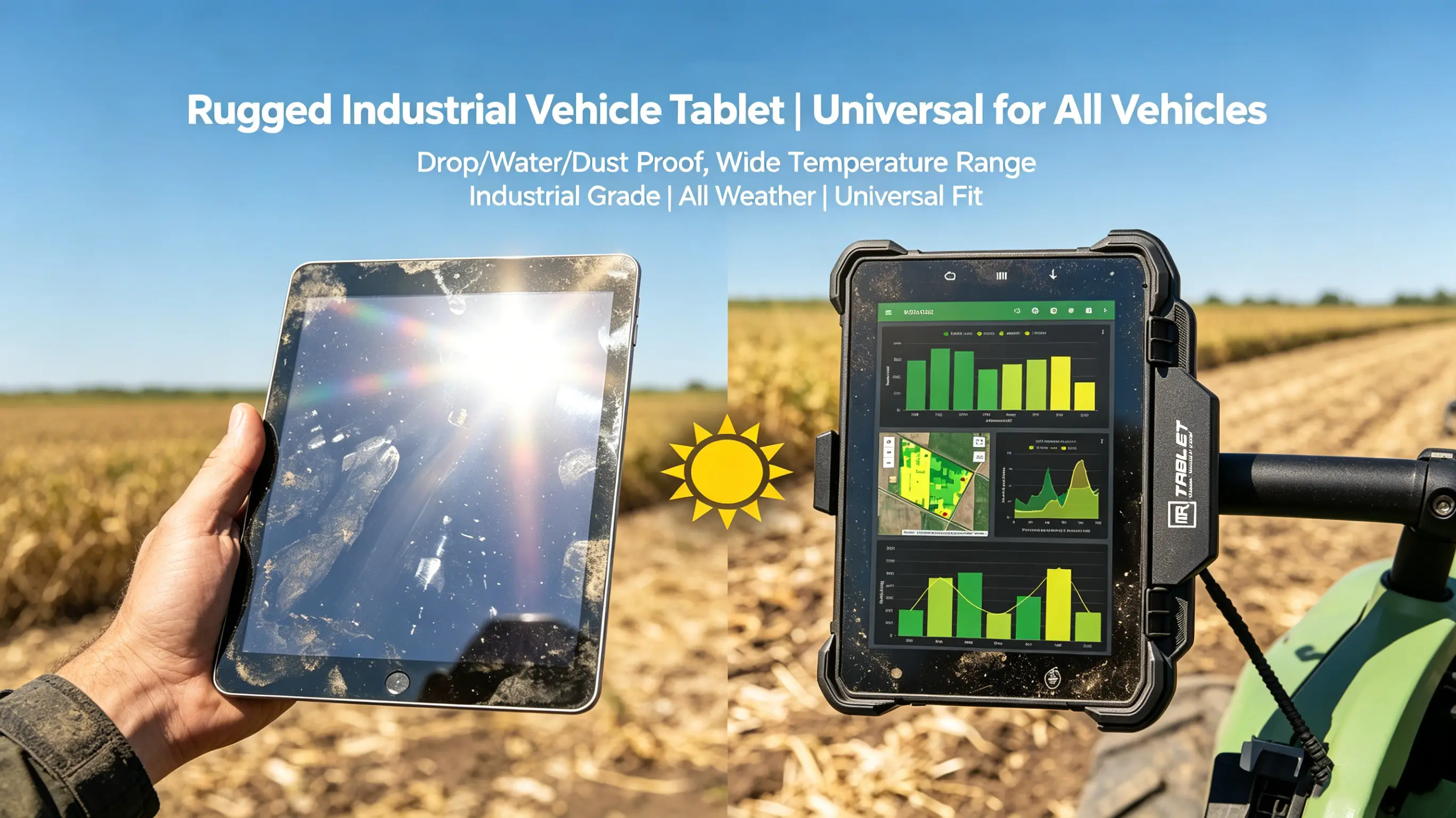
However, not all tablets are designed for the same operating environments. While standard consumer tablets may perform well indoors, they often struggle to deliver adequate screen visibility when exposed to direct sunlight or installed inside vehicle cabins.
For businesses that rely on continuous access to critical information, poor screen visibility can negatively impact productivity, operational efficiency, and even workplace safety. This is why high-brightness rugged tablets are becoming the preferred choice for outdoor and vehicle-mounted applications.
In this article, we compare high-brightness tablets with standard tablets and explore why display visibility has become a key consideration for modern industrial operations.
The Limitations of Standard-Brightness Displays
Most consumer tablets are designed primarily for indoor use and typically feature display brightness levels ranging from 300 to 500 nits.
Under strong sunlight, users often experience:
- Excessive screen glare
- Washed-out images and text
- Reduced visibility of maps and applications
- Frequent viewing angle adjustments
- Increased eye strain
These issues can become especially problematic for drivers, equipment operators, and field workers who depend on continuous access to digital information.
Real-World Impact of Poor Screen Visibility
For example, a fleet driver using a standard tablet may struggle to read navigation instructions during peak sunlight hours. Similarly, agricultural operators relying on guidance systems may experience reduced accuracy when screen visibility is compromised.
In construction and mining environments, poor display readability can delay operations and increase the risk of errors. Over time, these seemingly small challenges can lead to reduced productivity and higher operational costs.
Why High-Brightness Displays Are Becoming the Industry Standard
To address these challenges, more organizations are turning to high-brightness tablets designed specifically for outdoor and industrial applications.High-brightness displays, often reaching 1000 nits or more, provide significantly improved visibility in direct sunlight.
The benefits extend beyond convenience:
1. Improved Operational Efficiency
Workers can access information instantly without interrupting their workflow to adjust screen positioning or seek shade.
2. Enhanced Safety
Clear visibility enables operators to quickly view navigation data, work instructions, diagnostics, and alerts, reducing the risk of human error.
3. Better User Experience
A display that remains readable in changing light conditions improves overall usability and employee satisfaction.
Visibility Challenges Inside Vehicle Cabins
Many people assume that display visibility is only an outdoor concern. However, vehicle operators often face the same challenge inside cabins.Sunlight entering through windshields and side windows can create strong reflections and glare, making standard tablet displays difficult to read. This can affect access to navigation systems, dispatch information, electronic logging applications, telematics platforms, and operational data.For fleet management, public transportation, agriculture, construction, and mining applications, a sunlight-readable display is essential to ensure safe and efficient operations throughout the day.
Applications Where Visibility Is Critical
High-brightness displays are particularly valuable in industries where work takes place outdoors or inside vehicle cabins exposed to sunlight.
1. Fleet Management
Drivers need clear access to navigation systems, dispatch information, electronic logging applications, and vehicle diagnostics throughout the day.
2. Precision Agriculture
Modern farming operations increasingly rely on digital guidance systems, field mapping software, and precision application technologies that require continuous visibility.
3. Construction and Mining
Heavy equipment operators work in challenging environments where lighting conditions frequently change and reliability is essential.
4. Warehousing and Material Handling
Forklift operators often move between indoor and outdoor locations, making display visibility a key operational requirement.
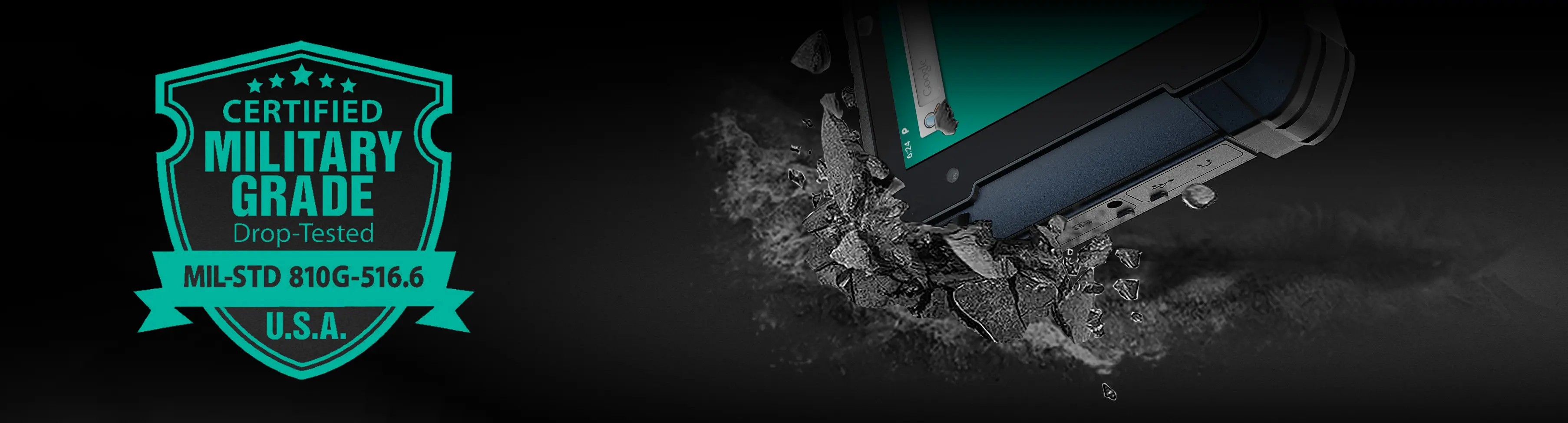
Beyond Brightness: The Need for Ruggedization
While display brightness is a critical factor, outdoor environments also demand durability.
Industrial users increasingly seek devices capable of withstanding:
- Dust and water exposure
- Vibration and shock
- Extreme temperatures
- Continuous daily operation
As a result, rugged tablets have become an important component of digital transformation strategies across multiple industries.
Looking Ahead
As organizations continue investing in connected vehicles, industrial automation, smart farming, and mobile workforce solutions, the demand for sunlight-readable devices is expected to grow.Display visibility is no longer simply a convenience feature—it has become a critical factor influencing productivity, operational efficiency, and workplace safety.For businesses operating in outdoor environments, selecting a device designed for sunlight readability can significantly improve both user experience and overall performance.
About 3Rtablet
3Rtablet is a leading provider of rugged vehicle-mounted tablets, telematics gateways, and precision agriculture solutions. Designed for demanding outdoor and industrial environments, our products combine sunlight-readable displays, rugged durability, and reliable wireless connectivity to support fleet management, agriculture, construction, mining, public transportation, and industrial automation applications worldwide.