
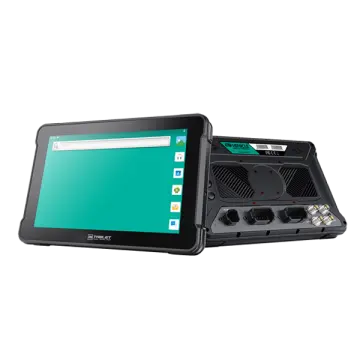
 AT-10A
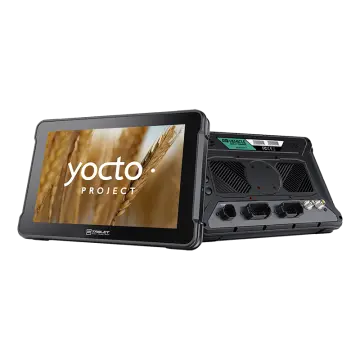 AT-10AL
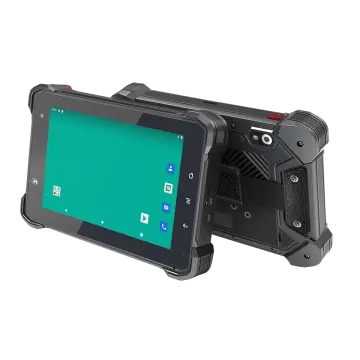 VT-7 GA/GE
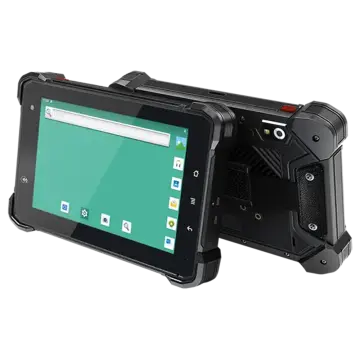 VT-7 Pro
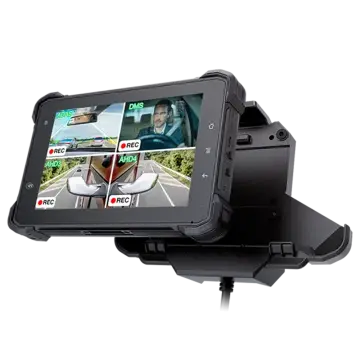 VT-7 PRO (AHD)
 VT-7A
VT-7A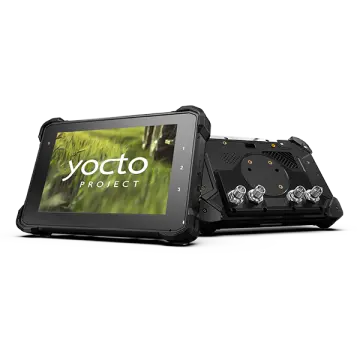 VT-7AL
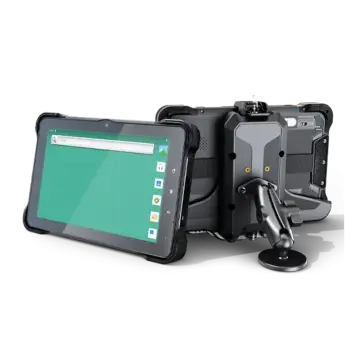 VT-10
VT-10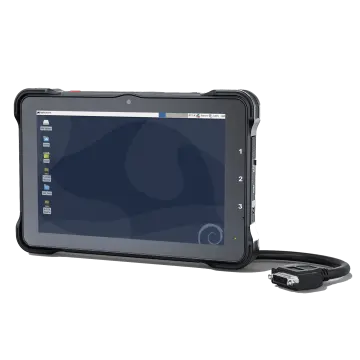 VT-10 IMX
 VT-10 Pro
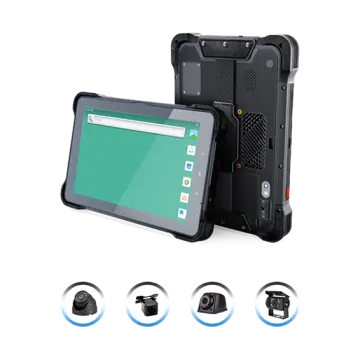 VT-10 Pro AHD
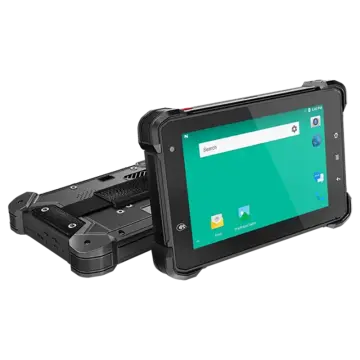 VT-7
VT-7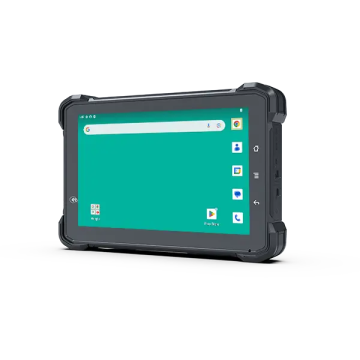 VT-7A PRO
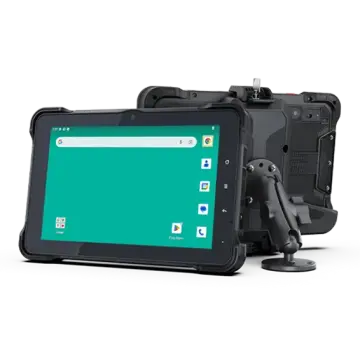 VT-10A Pro
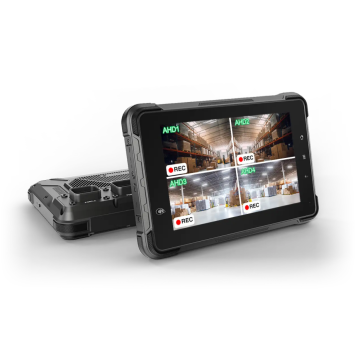 ST-7
ST-7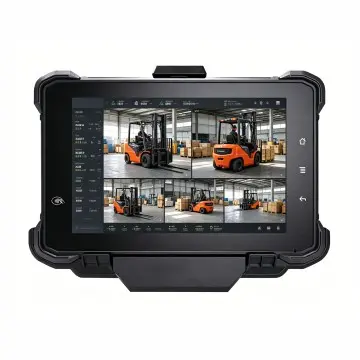 VT-7A PRO AHD
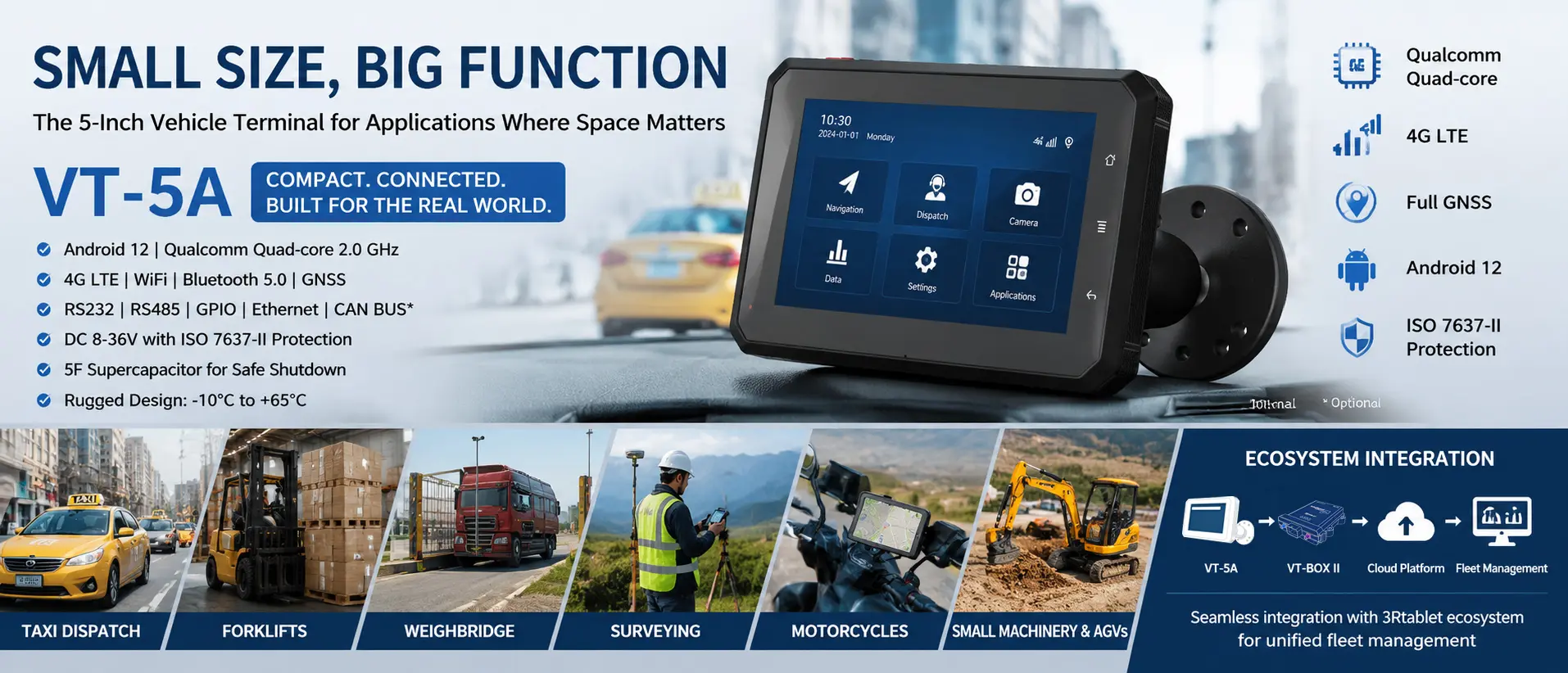
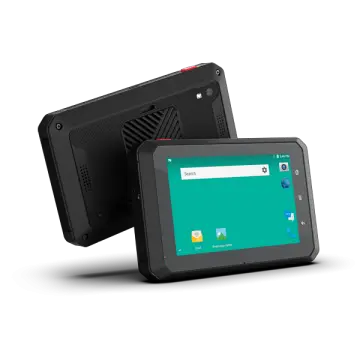 VT-5A
VT-5A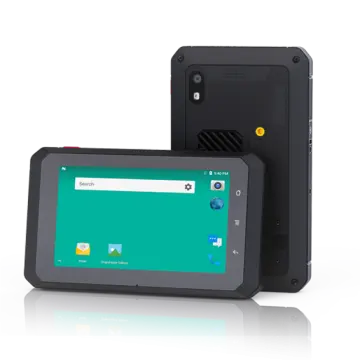 VT-5
VT-5 VT-BOX
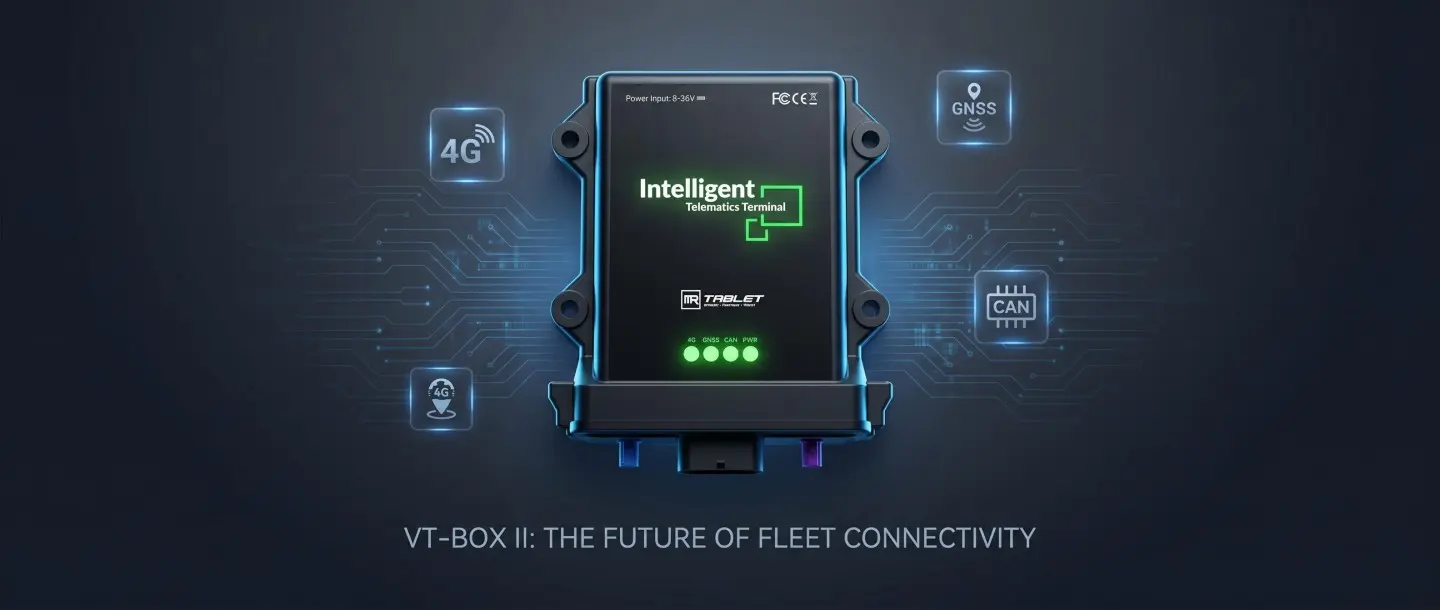
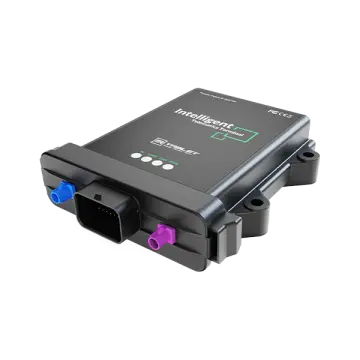 VT-BOX-II
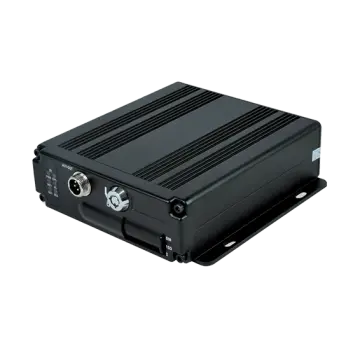 AI-MDVR040
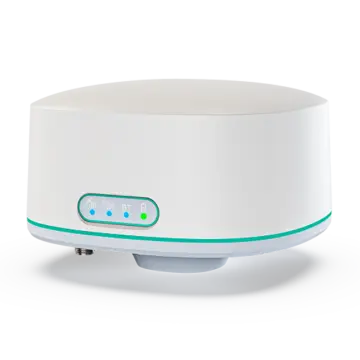 AT-B2
AT-B2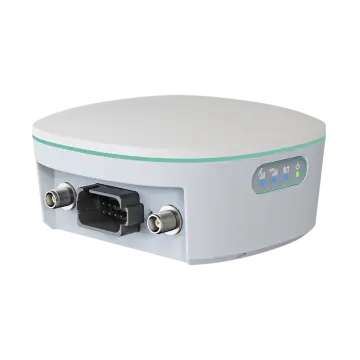 AT-R2
AT-R2
The Ultimate Connectivity Hub: A Comprehensive Guide to VT-BOX II Interfaces for Industrial Telematics
Introduction
In the rapidly evolving landscape of industrial IoT and fleet management, a telematics box is no longer just a GPS tracker. It has evolved into a sophisticated data gateway—the "Central Nervous System" of the vehicle. For heavy-duty machinery, mining trucks, and Agricultural Equipment, the ability to interface with diverse sensors and subsystems determines the success of a project.
VT-BOX II stands out in this domain by offering an unparalleled array of physical interfaces. This article provides a deep technical dive into each interface supported by VT-BOX II, explaining their roles in building a truly connected vehicle ecosystem.
Canbus: The Backbone of Vehicle Communication
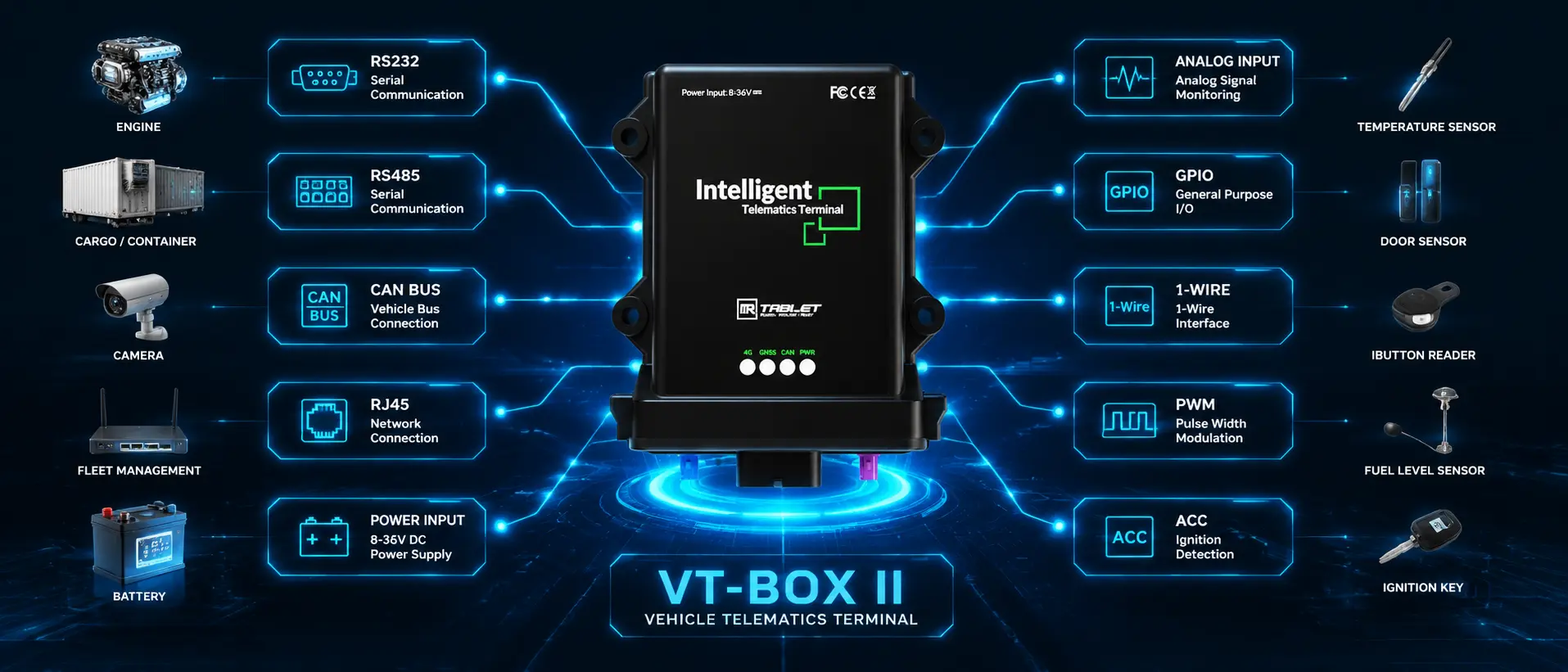
The Controller Area Network (CAN bus) is the most critical interface for any modern vehicle. VT-BOX II features high-performance CANBUS support, typically utilized for J1939 and CANopen protocols.
Technical Role: It allows the terminal to "listen" to the vehicle's heartbeat—capturing engine RPM, fuel consumption, coolant temperature, and diagnostic trouble codes (DTCs).
Practical Application: By integrating with the CANBUS, fleet managers can implement predictive maintenance, identifying engine anomalies before a breakdown occurs, thus significantly reducing downtime.
Serial Communication: RS232 & RS485
While wireless technology is booming, serial ports remain the "reliable veterans" of industrial connectivity. They offer a physical, interference-resistant connection that is easy to debug and highly stable.
RS232: Usually used for point-to-point communication over short distances, such as RFID readers for driver ID verification.
RS485: Designed for longer distances and electrically noisy environments. It is ideal for connecting ultrasonic fuel level sensors or high-precision flow meters located at the rear of a long trailer.
Analog Inputs: Precision Data Acquisition
VT-BOX II provides specialized Analog Input (AI) channels to bridge the gap between physical phenomena and digital data.
Standard Analog Input: Measures varying voltage levels for temperature probes or pressure transducers.
Analog Input (4-20mA): The industrial standard for harsh environments, highly resistant to signal degradation and electrical interference over long wire runs.
GPIO: The Versatile Digital Switch
GPIO ports provide the flexibility to customize the device for specific project requirements.
Input Mode: Can detect if a concrete mixer is rotating or if a driver has pressed an emergency "Panic Button."
Output Mode: Can be used to trigger external relays, sirens, or cabin warning lights.
1-WIRE: The Minimalist Bus for Auxiliary Sensing
1-WIRE operates on just two wires—data and ground—allowing for extreme simplicity in auxiliary sensing.
Modern fleet : Perfect for driver identification check-in and vehicle component traceability to ensure accountability and safety.
Temperature Monitoring: Supports daisy-chaining multiple DS18B20 sensors for cold chain logistics.
PWM: Active Control Capability
PWM (Pulse Width Modulation) allows the VT-BOX II to go beyond just reading data. It can control the speed of a motor, the brightness of an LED indicator, or the position of a hydraulic valve by varying the duty cycle of the digital signal.
High-Speed Networking: The RJ45/LAN Interface
The inclusion of a dedicated RJ45/LAN port transforms the VT-BOX II into a powerful vehicle gateway. It allows for a direct, wired connection to IP cameras or on-board DVR/NVR systems, ensuring zero-latency video streaming and reliable data synchronization unaffected by cabin wireless interference.
ACC & Power Management
In the automotive world, power management is a fine art.
ACC Detection: Tells the VT-BOX II when the engine is starting or shutting down, allowing for a clean shutdown sequence and preventing battery drain.
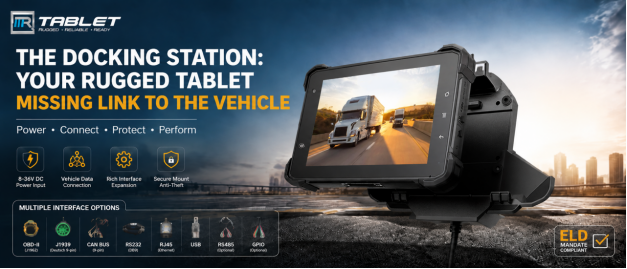
Power Stability: Engineered for wide voltage input (8-36V) with robust protection circuitry against massive voltage spikes during engine cranking.
Conclusion
The richness of VT-BOX II's interfaces represents a philosophy of "Zero Constraints." Whether you are integrating legacy analog sensors, high-speed CAN networks, or precision 4-20mA industrial loops, VT-BOX II provides a unified, ruggedized platform that shortens your development cycle and future-proofs your fleet.
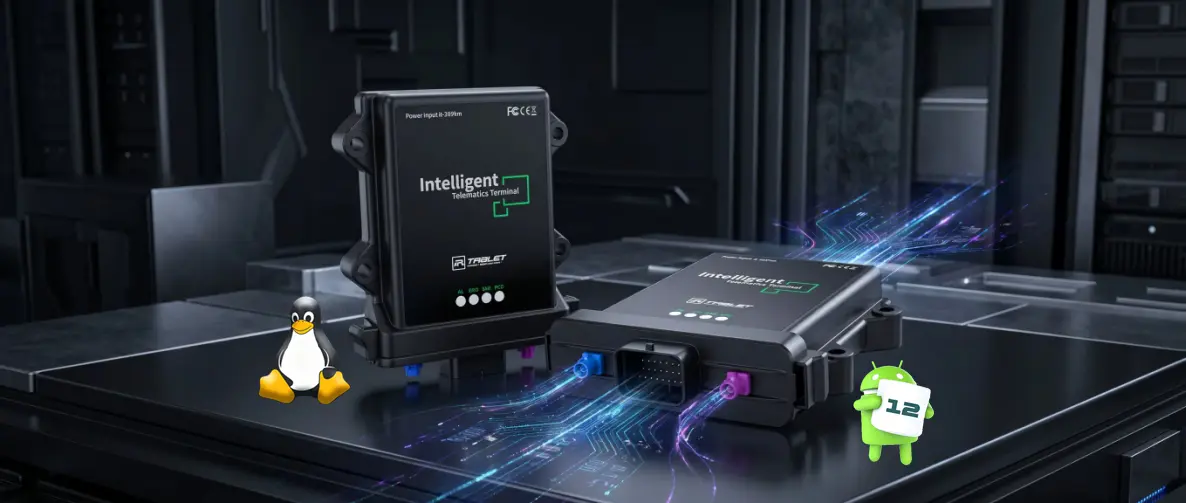
Two Operating System Options: Android 12 and Linux Yocto
The VT-BOX II is available with either Android 12 or Linux Yocto operating system. The Android version offers a rich application ecosystem, touch-based UI capabilities, and familiar development tools for developers. The Linux Yocto version provides a lightweight, highly customizable environment ideal for embedded applications where deterministic behavior, minimal footprint, and long-term stability are priorities.
Quick access: https://aiwebewkdg3.cmerweb.com/rugged-design-intelligent-vehicle-terminal-telematics
For detailed technical specifications, customized operating systems, bulk pricing or OEM cooperation, please contact our sales team.