
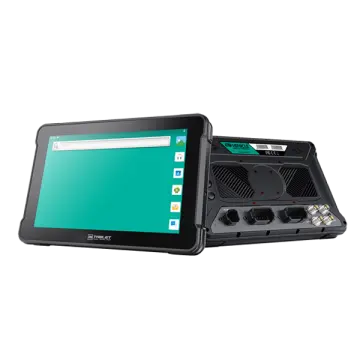
 AT-10A
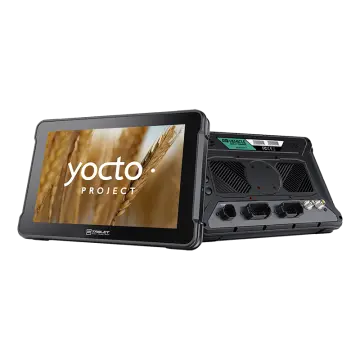 AT-10AL
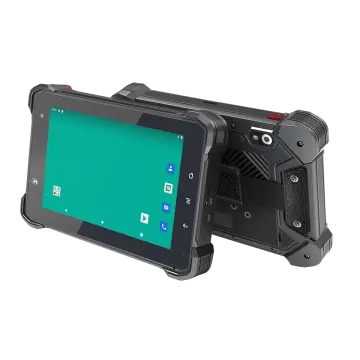 VT-7 GA/GE
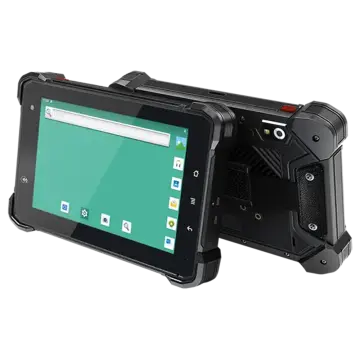 VT-7 Pro
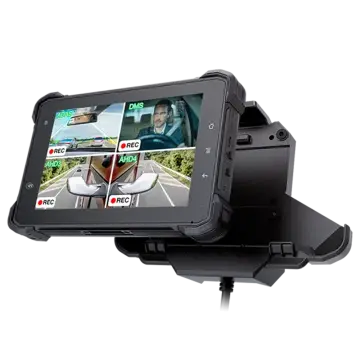 VT-7 PRO (AHD)
 VT-7A
VT-7A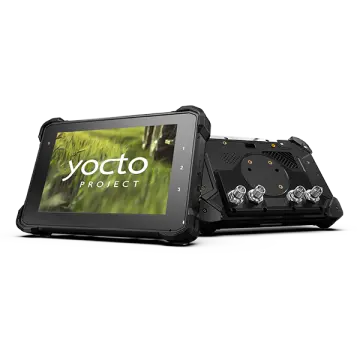 VT-7AL
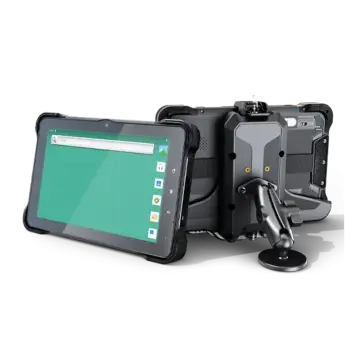 VT-10
VT-10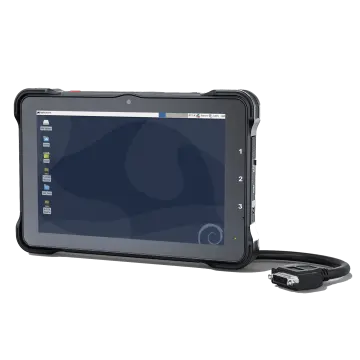 VT-10 IMX
 VT-10 Pro
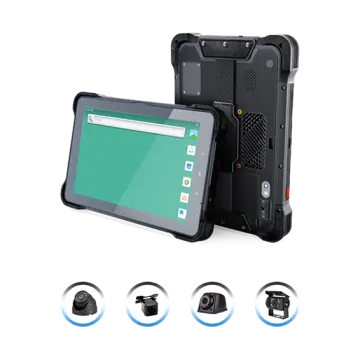 VT-10 Pro AHD
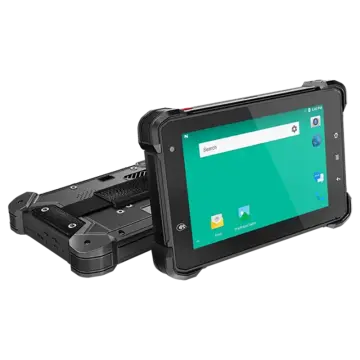 VT-7
VT-7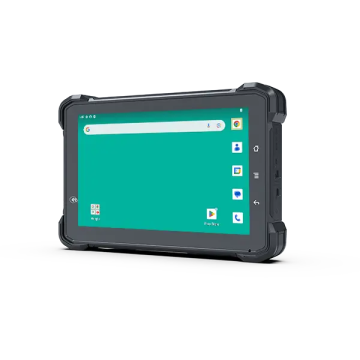 VT-7A PRO
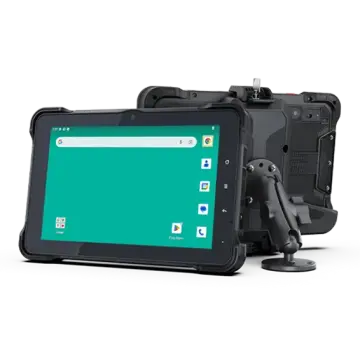 VT-10A Pro
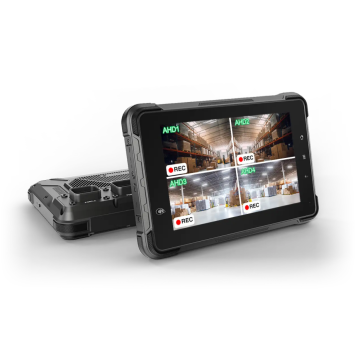 ST-7
ST-7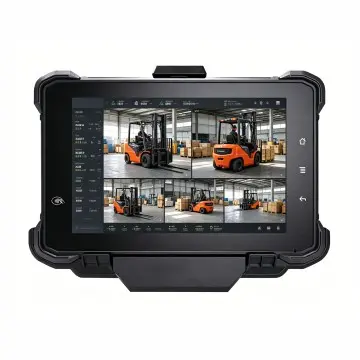 VT-7A PRO AHD
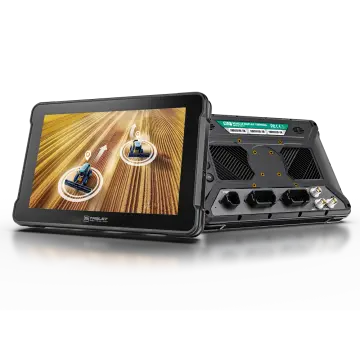 AT‑10A PRO
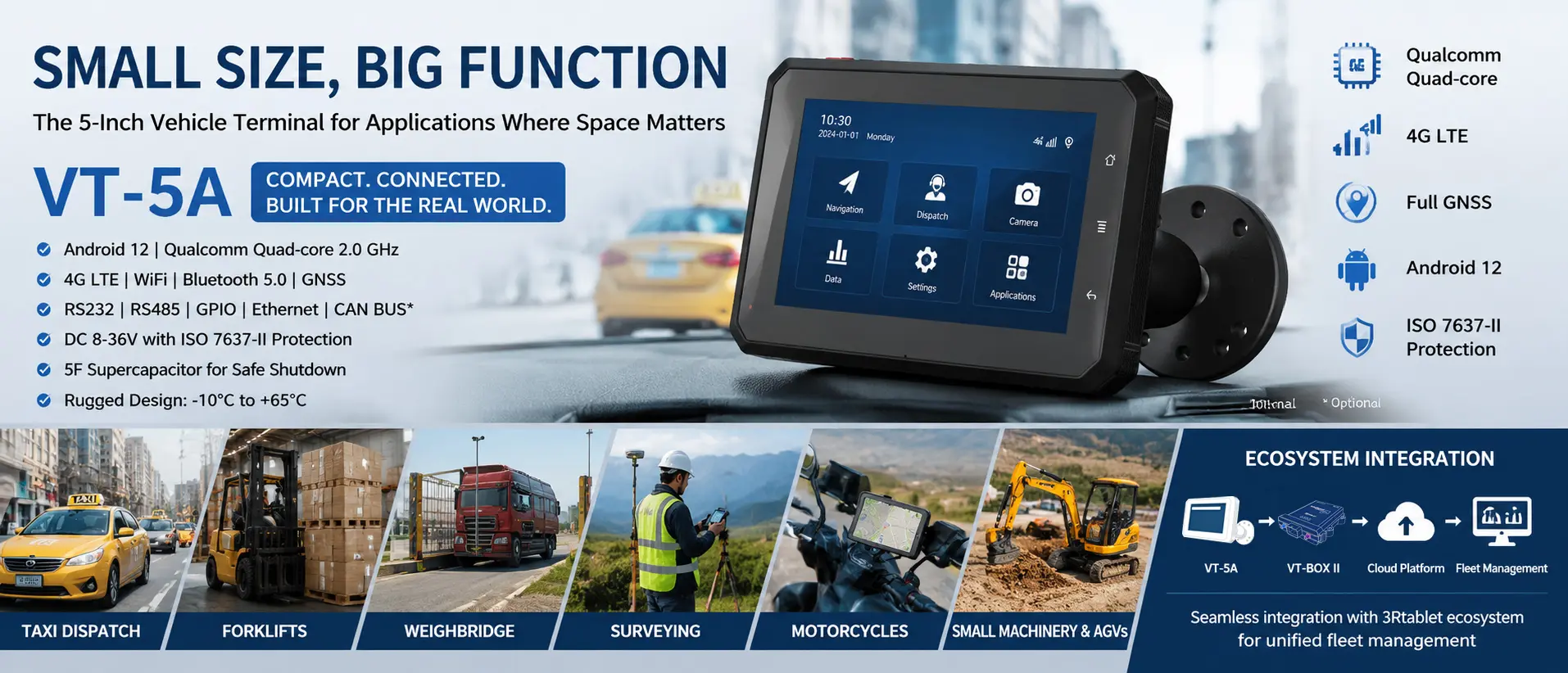
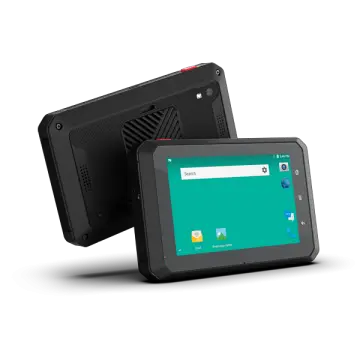 VT-5A
VT-5A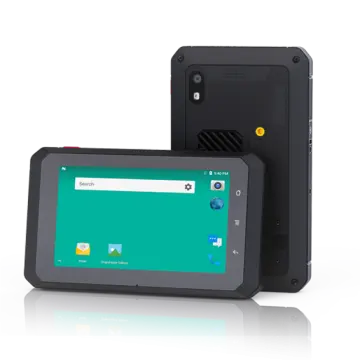 VT-5
VT-5 VT-BOX
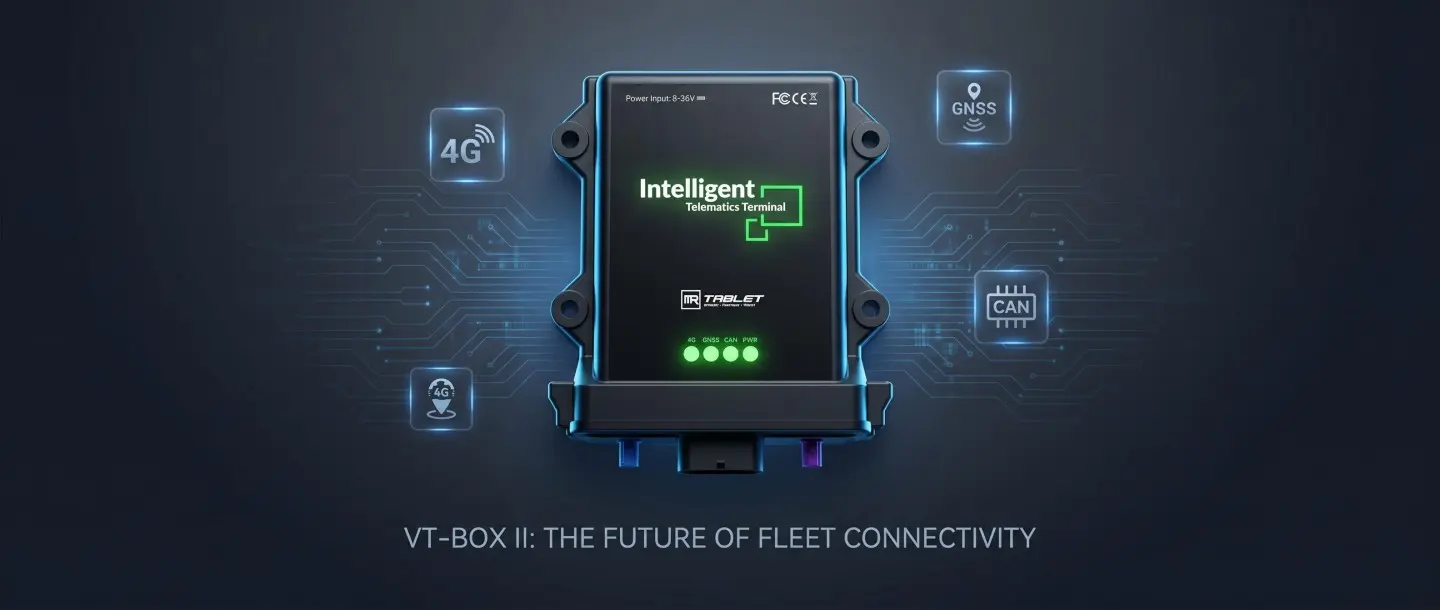
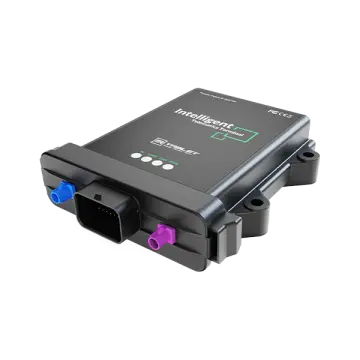 VT-BOX-II
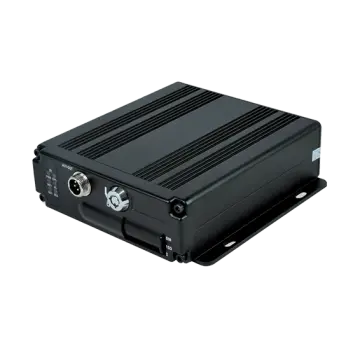 AI-MDVR040
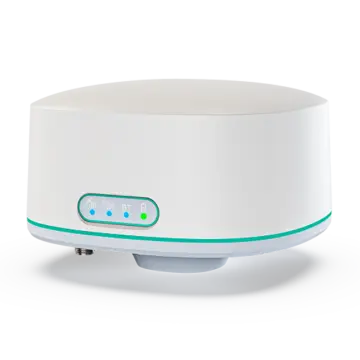 AT-B2
AT-B2 AT-R2
AT-R2

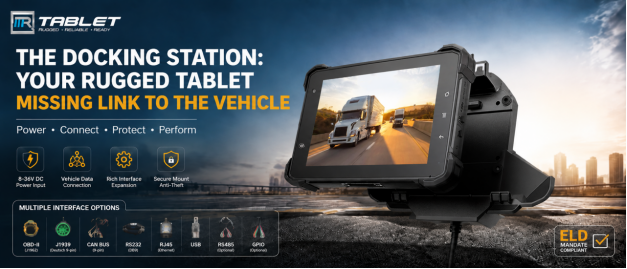
The Docking Station: Your Rugged Tablet Missing Link to the Vehicle
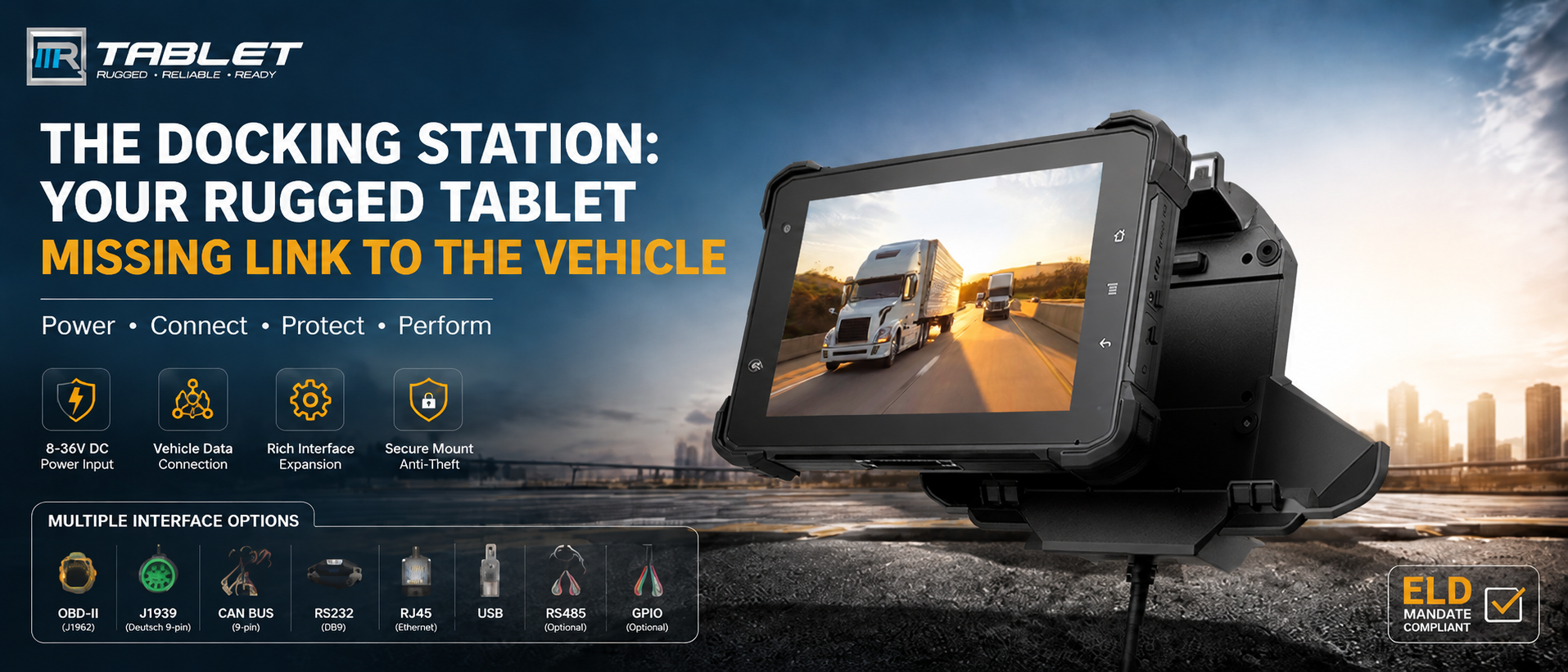
A Rugged Vehicle Tablet is only as capable as its connection to the vehicle. Without a proper docking station, even the most powerful tablet relies on loose cables for power, has no direct access to vehicle data, and must be manually charged and mounted each shift. A professional docking station solves all of these in a single integrated unit: clean power management with automotive-grade surge protection, a physical bridge to the vehicle data networks, and a secure mount with theft protection.
The Connector: Engineering Meets Reliability
The single most critical component in any docking station is the connector between the tablet and the dock. It must handle power delivery, data communication, and physical retention while surviving years of vehicle vibration and thousands of insertion cycles.
Bottom 24-Pin Spring-Loaded POGO PIN. The bottom position leaves the tablet back exposed for heat dissipation, especially important for quad-core and octa-core processors under continuous load. Gravity assists alignment during docking.
Spring-Loaded Pins. Each pin contains a spring that maintains constant contact pressure under vibration, compensates for thermal expansion, and survives thousands of docking cycles. Fixed contacts cannot match this reliability.
Buckle Lock. Automatically secures the tablet when fully seated. Prevents removal due to vibration and acts as a theft deterrent. The connector design is patented by 3Rtablet.
What a Docking Station Actually Does
Power Management. DC 8-36V input covers 12V cars, 24V trucks, and 36V equipment. ISO 7637-2 protection withstands surges up to 174V. ACC detection auto-powers the tablet on ignition and safe-shuts on ignition off, eliminating battery drain.
Vehicle Data Bridge. The dock provides direct access to OBD-II diagnostic data, J1939 heavy-duty parameters, or CAN BUS information. It is the physical gateway between the tablet and the vehicle electronic systems.
Interface Expansion. RS232, RS485, GPIO, Ethernet RJ45, and other interfaces that the tablet cannot accommodate directly.
Protocol Versions
- Standard Version: RS232 x2, GPIO, ACC, USB. Basic fleet installations.
- OBD-II Version: J1962 connector. Supports ISO 15765-4 CAN, SAE J1850, ISO 9141-2, ISO 14230-4. For passenger vehicles and light trucks.
- J1939 Version: Deutsch 9-pin. Supports SAE J1939 and SAE J1708/J1587. For heavy-duty trucks, buses, construction and Agricultural Equipment.
- CAN BUS Version: Open wire 9-pin. Supports ISO 11898-2/3. For industrial and general CAN applications.
- RJ45, RS485, RS422 Versions: Dedicated versions for Ethernet and serial communication needs.
These versions are starting points. Interfaces can be customized per fleet requirements. Example: one customer combined CAN BUS, RJ45 Ethernet, and RS485 in a single docking station.
ELD Compliance
OBD-II and J1939 docking stations, combined with the ELD_COM app on the tablet, form a complete ELD-compliant solution. The dock connects to the vehicle diagnostic port. Data is logged to a dedicated directory that persists across power cycles. Firmware can be updated OTA through the tablet.
One Design Philosophy, Multiple Platforms
Each tablet model has its own dedicated dock, sharing the same engineering DNA: bottom spring-loaded POGO PIN, buckle lock, ISO 7637-2 protection, ACC detection, and customizable interfaces. Supported models:
VT-7 Pro,
VT-7A,
VT-7AL,
VT-7A PRO,
VT-7 PRO AHD,
VT-10A PRO
A well-designed docking station transforms a rugged tablet from a portable device into a permanent, professionally integrated component of the vehicle. Contact 3Rtablet for customized solutions.
Email: Sales1@3rtabletpc.com
WhatsApp:+8618576671785
A rugged vehicle tablet is only as capable as its connection to the vehicle. Without a proper docking station, even the most powerful tablet relies on loose cables for power, has no direct access to vehicle data, and must be manually charged and mounted each shift. A professional docking station solves all of these in a single integrated unit: clean power management with automotive-grade surge protection, a physical bridge to the vehicle data networks, and a secure mount with theft protection.
A rugged vehicle tablet is only as capable as its connection to the vehicle. Without a proper docking station, even the most powerful tablet relies on loose cables for power, has no direct access to vehicle data, and must be manually charged and mounted each shift. A professional docking station solves all of these in a single integrated unit: clean power management with automotive-grade surge protection, a physical bridge to the vehicle data networks, and a secure mount with theft protection.
A rugged vehicle tablet is only as capable as its connection to the vehicle. Without a proper docking station, even the most powerful tablet relies on loose cables for power, has no direct access to vehicle data, and must be manually charged and mounted each shift. A professional docking station solves all of these in a single integrated unit: clean power management with automotive-grade surge protection, a physical bridge to the vehicle data networks, and a secure mount with theft protection.