
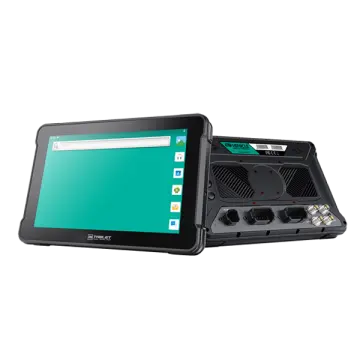
 AT-10A
 AT-10AL
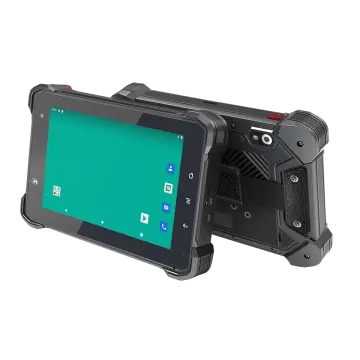 VT-7 GA/GE
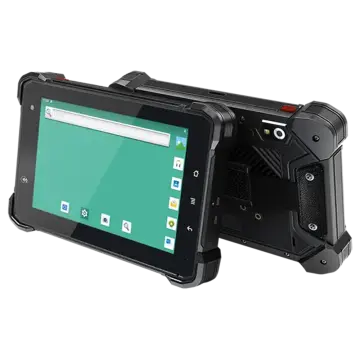 VT-7 Pro
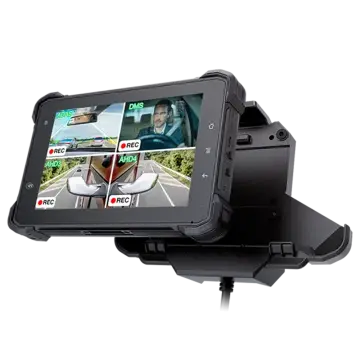 VT-7 PRO (AHD)
 VT-7A
VT-7A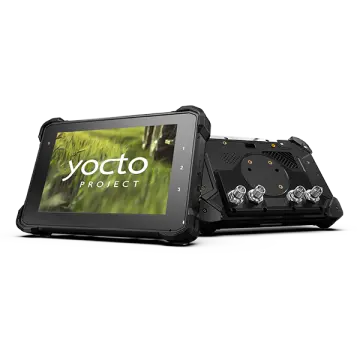 VT-7AL
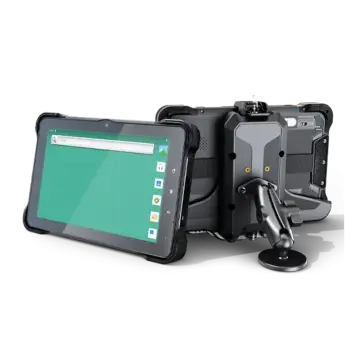 VT-10
VT-10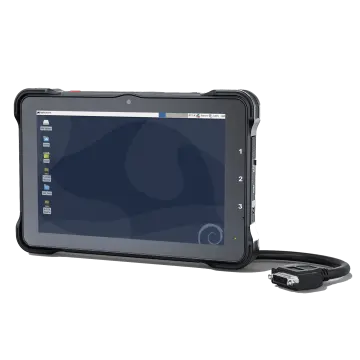 VT-10 IMX
 VT-10 Pro
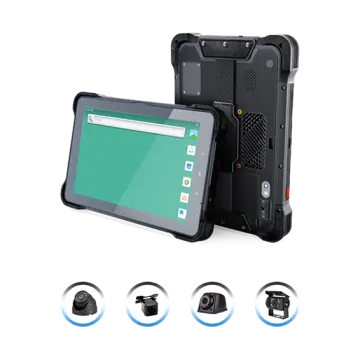 VT-10 Pro AHD
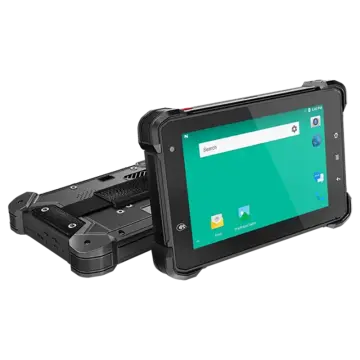 VT-7
VT-7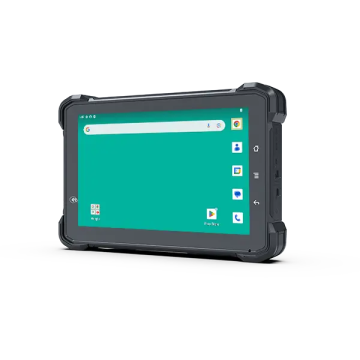 VT-7A PRO
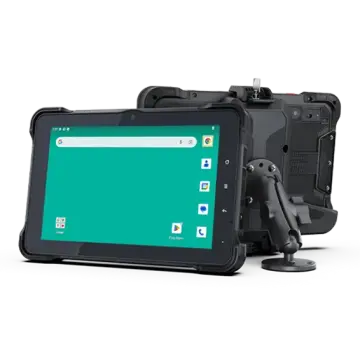 VT-10A Pro
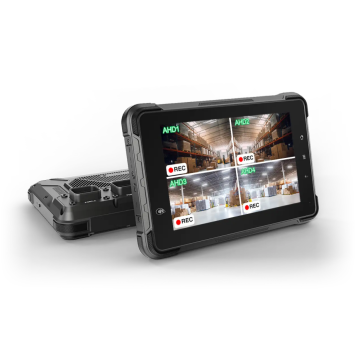 ST-7
ST-7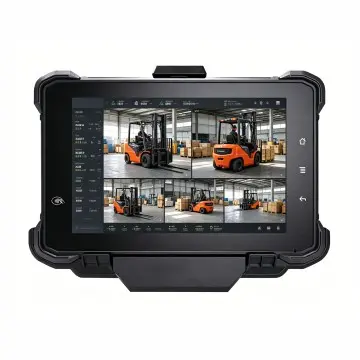 VT-7A PRO AHD
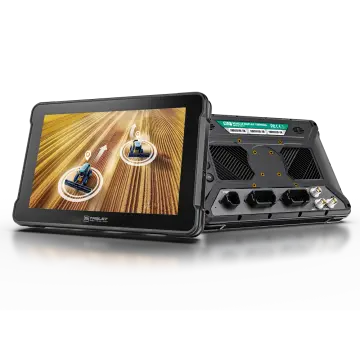 AT‑10A PRO
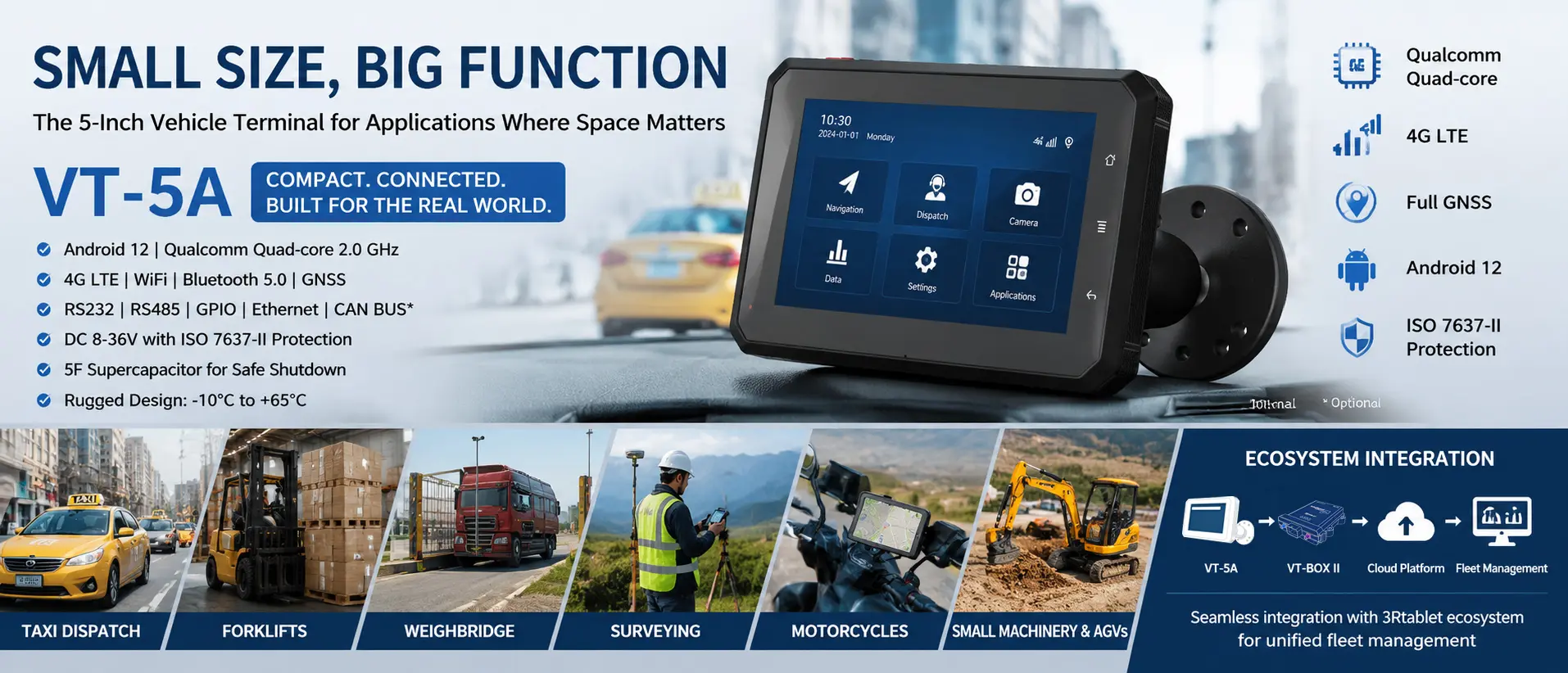
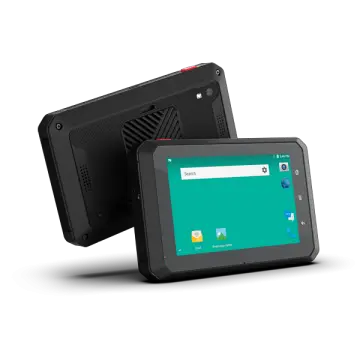 VT-5A
VT-5A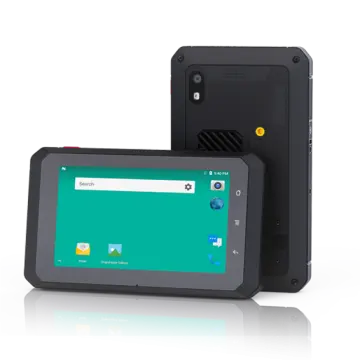 VT-5
VT-5 VT-BOX
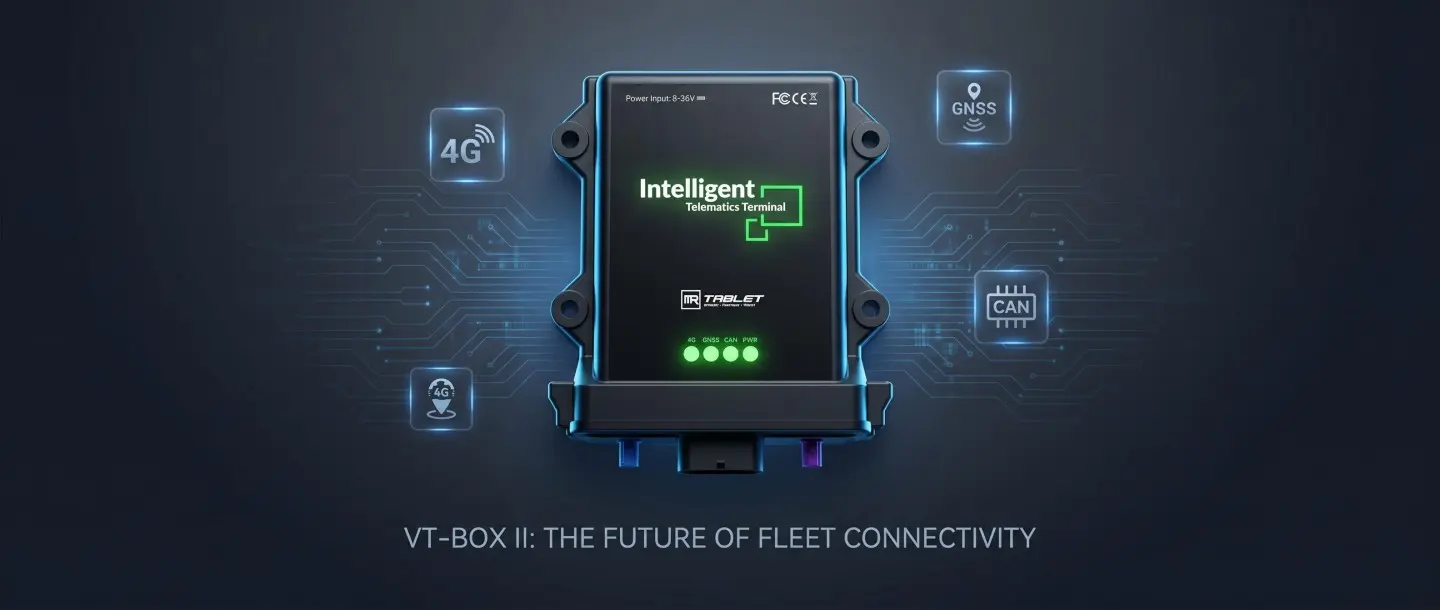
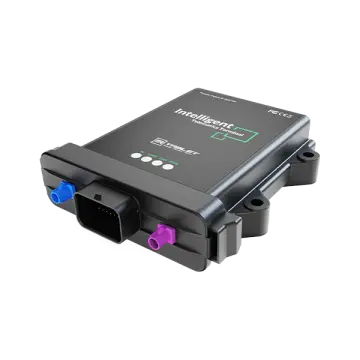 VT-BOX-II
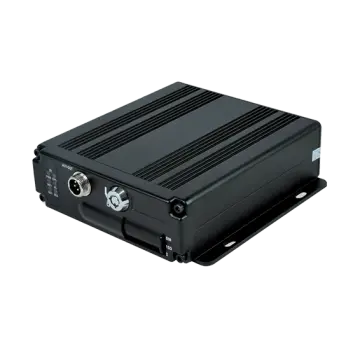 AI-MDVR040
 AT-B2
AT-B2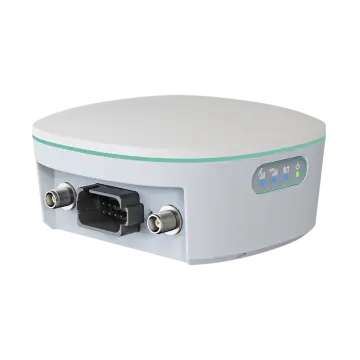 AT-R2
AT-R2

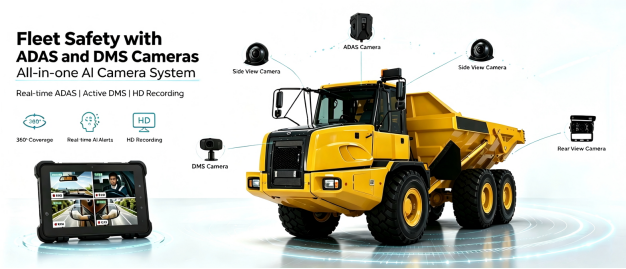
Smart Buses: The Cornerstone of Future Urban Transportation Publish Category: Industry Insight | Smart Transportation
Against rapid global urbanization, cities worldwide are confronted with traffic congestion, carbon-emission pressure and rising public-transit operational costs. Smart buses are no longer merely futuristic demonstration projects; they are evolving into a critical cornerstone reshaping urban public-transport ecosystems for efficient and eco-friendly mobility.
Conventional bus systems suffer from long-standing pain points. Scheduling relies heavily on manual experience, leading to delayed capacity adjustment during rush hours. Human-factor risks such as driver fatigue raise safety concerns. Vehicle operational data remains fragmented, resulting in low efficiency for maintenance and fault early warning. Without accurate real-time arrival information, passengers tend to avoid bus services. Powered by rugged onboard terminals, IoT, big-data analytics and AI-powered dispatching platforms, smart buses build a complete “vehicle-road-cloud-passenger” workflow to solve these long-standing industry challenges.
Smart-bus upgrades go well beyond autonomous driving. A full-scale intelligent transformation covers multiple dimensions.
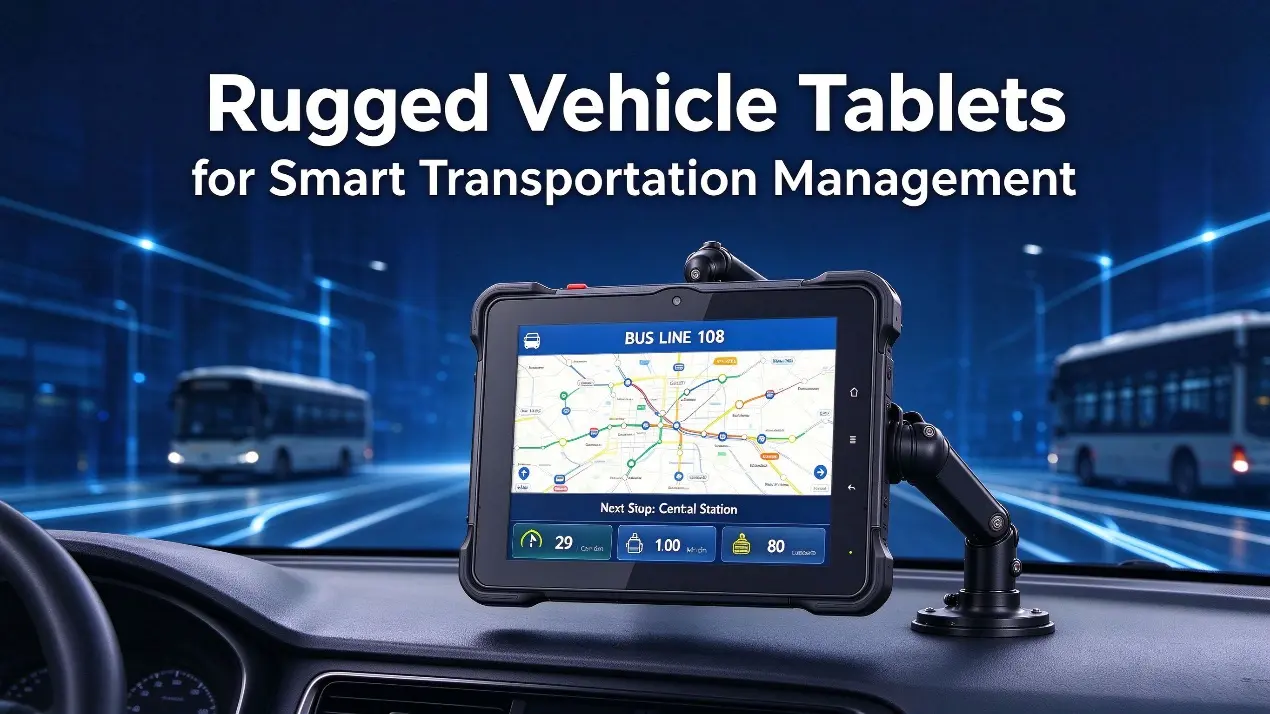
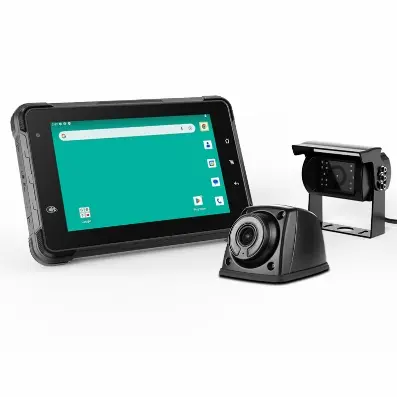
First, digital onboard hardware foundation. Rugged vehicle-mounted industrial Tablets, CANBus interfaces, multi-channel AHD surveillance cameras and high-precision GNSS positioning units collect ECU vehicle data, driver status, blind-spot video footage and real-time locations. Designed to withstand heavy vibration and wide temperature variation on public transit routes, onboard terminals transmit full-set operational data to cloud dispatching platforms steadily.
Second, AI-driven intelligent dispatching. Leveraging passenger-flow statistics and real-time traffic conditions, control centers dynamically adjust bus frequency and optimize routes. Extra buses can be deployed for peak-hour passenger surges while empty trips are reduced during off-peak hours, improving fleet turnover and cutting labor & energy costs. Multiple cities across the globe have deployed AI bus-operation solutions and achieved notable on-time-rate improvements.
Third, smarter passenger and operator services. Citizens gain accurate arrival predictions and digital stop information. Transit operators benefit from predictive fault alerts, vehicle health monitoring and risky-driving-behavior detection.
Fourth, support for low-carbon goals. Optimized dispatching cuts unnecessary idling. Combined with electric bus fleets, smart public-transit solutions help cities hit carbon-neutrality targets.
Around the world, smart-bus deployments are shifting from pilot demonstrations toward large-scale commercial roll-out. European cities are expanding smart-transit networks; Singapore, Indonesia and South Korea integrate smart buses into regular public-transport services. Many cities in China have deployed massive numbers of onboard intelligent terminals to serve millions of daily riders. Industry observers note that compared with robotaxis, fixed-route public buses enjoy clearer commercialization advantages with stable passenger volumes.
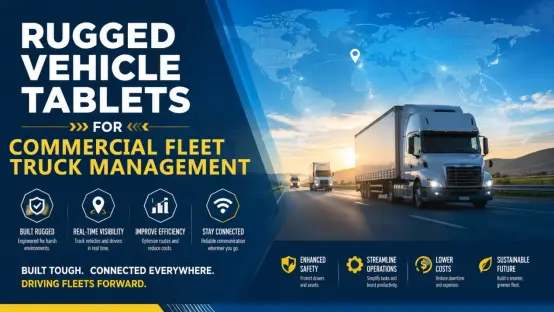
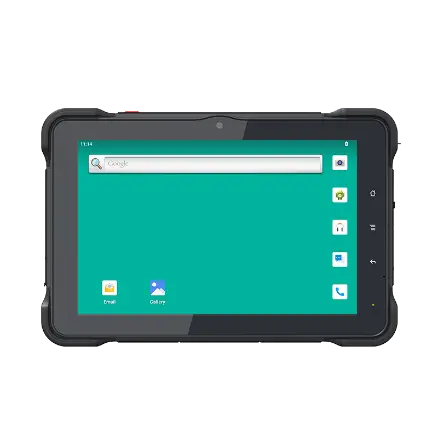
Reliable hardware forms the physical foundation for smart-bus deployment. Industrial-grade Rugged Vehicle Tablets must adapt to harsh bus operating environments: wide-voltage vehicle power supply, IP67 dust-water resistance, CAN-bus protocol compatibility, multi-camera input and MDM remote fleet-device management to guarantee long-term stable performance across large bus fleets.

Industry specialists point out that future urban mobility is not solely about selfdriving technology. It represents systemlevel upgrades centered on prioritized public transportation. As highvolume urban mobility carriers, smart buses connect dispatching systems, roadside infrastructure and passenger services, acting as essential nodes within smartcity transportation frameworks. In coming years, advances in onboard hardware, dispatching algorithms and vehicleroad coordination will further unlock smartbus value, encouraging more citizens to choose public transit, mitigate traffic jams and support sustainable smartcity development. Conclusion: Public transit serves as the backbone of city mobility. Smart buses are transforming from a fancy technical addon into essential urban infrastructure.